

How Do I Know If My Horse Has Ulcers? (Signs, Causes & What to Do)
How do I know if my horse has ulcers? Equine stomach ulcer disease is very common; more than 60% of adult horses get it, no matter how old they are, how well they perform, or which group they are in. Equine Gastric Ulcer Syndrome (EGUS) can happen to any horse, but racehorses are more likely to go through it. Stalls, moving, and changing what horses eat can all cause stress that can lead to stomach ulcers over time.
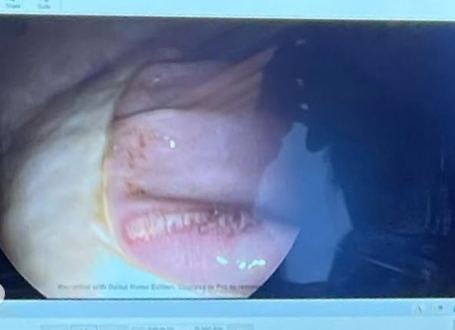
If you are sure you do have stomach ulcers, you need a gastroscopy. Both the squamous and glandular parts of a horse’s gut work together to make acid. The squamous part is on top and doesn’t have any glands. Sores often form along the margo plicatus, which is the line between the two.
What Are Gastric Ulcers in Horses?
For horses, gastric ulcers are spots that show up on the inside of their stomach. These things happen when stomach acid hurts the lining that protects the stomach. All day long, horses make stomach acid. If they don’t eat right or live in a healthy way, this acid can start to hurt their stomach.
Types of Gastric Ulcers in Horses
- Squamous ulcers (ESGD) – Most common, caused by acid splash
- Glandular ulcers (EGGD) – Less common, harder to treat, linked to stress and blood flow issues
Why Are Ulcers So Common in Horses?
Horses, on the other hand, are meant to eat all the time. They feel sick after not eating for a long time because stomach acid builds up.
Some common reasons are:
Common reasons include:
- Long gaps between feeding
- High-grain diets
- Stress (transport, training, competition)
- Limited access to pasture
- Intense exercise
Horses at Higher Risk
- Performance horses
- Horses in stalls most of the day
- Horses in heavy training
- Horses with irregular feeding schedules
Signs Your Horse May Have Ulcers
It’s important to see signs early on. There are clear signs and not so clear signs. Signs can range from obvious to very subtle…
1. Changes in Eating Behavior
- Eating less than usual
- Leaving feed unfinished
- Slow eating
2. Weight Loss or Poor Condition
Ulcers can still affect your horse’s digestion and nutrient absorption, even if it is eating.
3. Behavioral Changes
- Irritability
- Sensitivity when saddling
- Resistance during riding
4. Mild or Recurrent Colic
Frequent mild colic episodes are a very bad sign.
5. Dull Coat and Low Energy
A horse with ulcers may not look healthy and may not have a lot of energy.
6. Grinding Teeth (Bruxism)
This is often a sign that something is wrong or hurts.
7. Poor Performance
Ulcers could be a hidden reason why your horse suddenly starts to do badly.
Small Signs That A Lot Of Owners Miss
It can be hard to find ulcers on some horses because they don’t show clear signs.
Watch for:
- Reduced enthusiasm
- Frequent yawning
- Lying down more than usual
👉 A lot of the time, these small changes go unnoticed.
How Are Horse Ulcers Diagnosed?
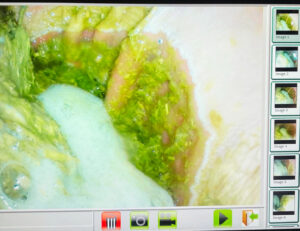
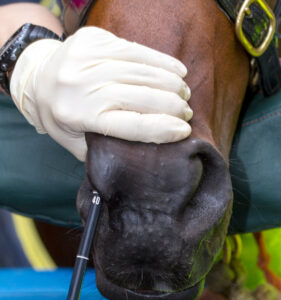
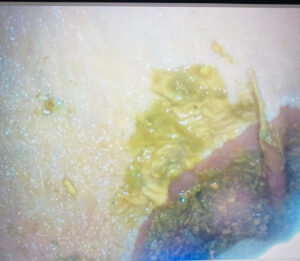
You can only be sure you have ulcers with a gastroscopy. A camera is used to look inside the stomach during this treatment by a vet. Your vet may tell you to do this if your pet’s symptoms don’t get better.
What if Gastroscopy Isn’t Available?
- Trial treatment…
- Monitoring response…
What to Do If You Suspect Ulcers
Don’t ignore your horse if you think it has ulcers.
Immediate steps:
- Increase access to forage (hay or pasture)
- Reduce grain intake
- Minimize stress
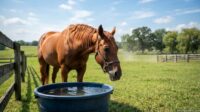
- Ensure constant access to clean water
-
Best Feeding Routine for Ulcer Support
- Feed hay before grain
- Avoid long fasting
- Use alfalfa…
👉 These changes can help calm things down quickly..
Treatment Options for Horse Ulcers
The treatment depends on how bad the condition is, but here are some popular ones:
1. Veterinary Medication
Veterinary Medication
- Omeprazole (gold standard)
- Sucralfate (for glandular ulcers)
2. Dietary Changes
- More fiber, less grain
- Frequent small meals
- Continuous access to hay
3. Digestive Support Supplements
People who own horses often give them vitamins to keep their guts healthy and stop them from getting sick again.
Look for:
- Probiotics
- Ulcer support formulas
- Buffering agents
4.Recovery Timeline
How Long Does It Take for Ulcers to Heal?
- Mild: 2–4 weeks
- Moderate: 4–8 weeks
Can Horse Ulcers Heal on Their Own?
Mild cases might get better with better care and food. But more serious ulcers generally need to be treated.
👉 Things could get worse over time if you don’t fix them.
How to Prevent Ulcers in Horses
Prevention is much easier than treatment.
1. Keep Horses Eating Regularly
Avoid long periods without food.
2. Provide Constant Forage
Hay helps buffer stomach acid.
3. Reduce Stress
- Maintain a routine
- Allow turnout time
- Avoid sudden changes
4. Limit High-Grain Diets
Too much grain increases acid production.
5. Support Gut Health
Use supplements if needed, especially for performance horses.
6. Common Mistakes
Common Mistakes That Delay Healing
- Stopping treatment early
- Feeding grain on empty stomach
Veterinarians often recommend proven treatments like this…
Best Daily Ulcer Support Supplements
7. Connection to other issues
How Ulcers Affect Overall Health
- Weight loss
- Poor performance
- Behavioral issues
When to Call a Veterinarian
Contact your vet if:
- Symptoms persist
- Your horse shows signs of pain
- There is ongoing weight loss
- Performance drops significantly
👉 Early treatment can prevent serious complications.
Frequently Asked Questions
How long does it take for ulcers to heal?
Many ulcers get better in a few weeks with the right care.
Are ulcers painful for horses?
Yes, they can cause a lot of pain and change how people act.
Can all horses get ulcers?
Yes, but performance horses are at higher risk.
Do supplements really help?
They can help with prevention and recovery, especially when they are used with good management.
In Short:- How do I know if my horse has ulcers?
In my experience, horse ulcers are more common than most people think, and they’re easy to miss in the early stages. A horse might start eating less, feel sensitive when you tighten the girth, or just not perform the way it usually does. Some even show subtle behavior changes that owners don’t always connect to ulcers.
Treating the ulcer helps, but that’s only part of the fix. Long-term improvement really comes from how you manage feeding, routine, and overall stress.
👉 Even small changes-like adjusting diet or reducing sudden routine changes-can make a noticeable difference in your horse’s comfort. However, not all horses show obvious signs. In some cases, symptoms can be very subtle.
The key thing to remember is that any horse can develop ulcers. Travel, stall rest, or even simple diet changes can create enough stress over time to trigger the problem.
If you suspect ulcers, start with feeding and stress management immediately.
Early action makes the biggest difference.
You may also read:-
Horse-stomach-issues-causes-symptoms-treatment








Leave a comment