

Horse Stomach Issues: Causes, Symptoms & Treatment (Complete Guide)
Many horse owners don’t know that their horses often have stomach problems. These problems can quickly hurt your horse’s health and performance, from mild digestive problems to serious ones like colic or gastric ulcers. What’s hard? A lot of early signs are small and easy to miss. This guide will tell you the most common causes, warning signs, treatment options, and ways to keep your horse healthy and happy.
What Are Horse Stomach Issues?
Horse stomach problems are a group of digestive problems that affect the digestive system. These can range from mild gas buildup to conditions that could kill you.
Common Types of Stomach Issues in Horses
1) Colic (most common and serious)
2) Gastric ulcers
3) Gas accumulation
4) Impaction
5) Digestive imbalance
Different things cause each condition, but many of them have the same symptoms.
Signs and Symptoms to Look Out For:
Early detection of symptoms can stop serious problems from happening.
Behavioural Signs
- Feeling restless or agitated
- Frequent lying down and getting up a lot
- Rolling on the floor
- Kicking the stomach
Physical Symptoms
- Not wanting to eat
- Less manure being made
- Losing weight
- Condition of dull coat
Serious Warning Signs
- Sweating without working out
- Breathing fast
- Faster heart rate
👉 If you notice severe symptoms, call a vet immediately.
Main Causes of Horse Stomach Problems
Understanding the root cause helps in both treatment and prevention.
-
Poor Feeding Practices
- Irregular feeding schedule
- Low-quality hay
- Too much grain
-
Stress and Lifestyle
- Transport
- Changes in routine
- Limited turnout
-
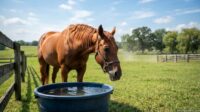
Lack of Water Intake
Dehydration can lead to impaction and digestive issues.
-
Sudden Diet Changes
Quick changes in feed disrupt gut bacteria and digestion.
-
Parasites
Internal parasites can damage the digestive tract over time.
Most Common Horse Stomach Conditions
Colic
Colic is a general term for abdominal pain and can range from mild to severe.
Causes:
- Gas buildup
- Impaction
- Twisting of intestines
Symptoms:
- Rolling
- Pawing
- Refusing food
Gastric Ulcers
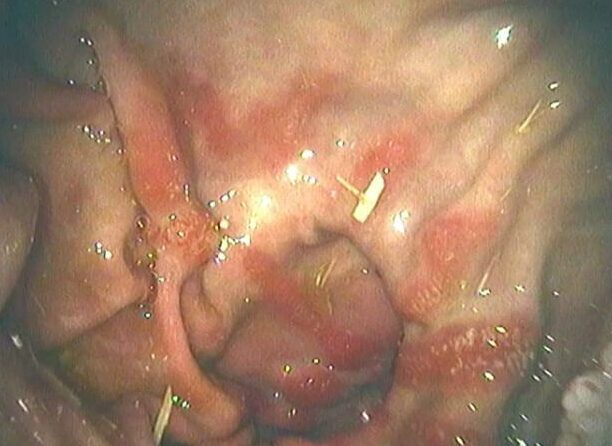
Equine Gastric Ulcer Syndrome (EGUS) is a common condition that affects both athletic horses and contented hackers. According to reports, it affects about one in three horses and causes a variety of symptoms. If your horse has been having many colic episodes, is having trouble maintaining weight, or exhibits behavioral changes both in-hand and under saddle, you may suspect ulcers. A slight decline in performance can be an indication.
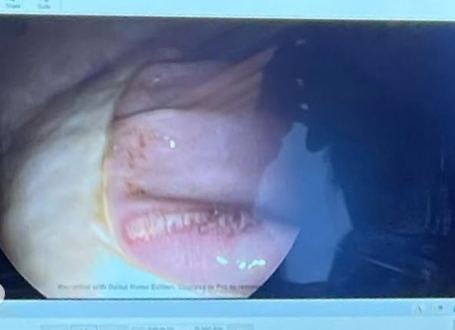
How can I find out whether my horse has them?
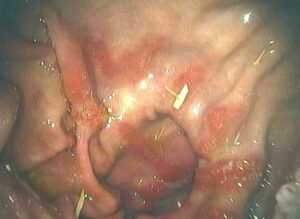
A lengthy camera called a gastroscope must be inserted into the stomach to examine the stomach lining in order to properly assess the existence of gastric ulcers.
Causes:
- High-grain diets
- Stress
- Limited forage
horse ulcer symptoms:
Behavioral signs
- Irritable or “grumpy” attitude
- Doesn’t want to be saddled (girthy)
- Poor performance or suddenly refusing work
- Looks uncomfortable after eating
Physical signs
- Weight loss or poor body condition
- Dull coat
- Mild colic (on and off stomach pain)
- Reduced appetite or picky eating
- Grinding teeth
Subtle signs (easy to miss)
- Less energy than usual
- Lying down more often
- Not finishing feed
- Slow recovery after exercise
In foals (if relevant)
-
- Diarrhea
- Excessive lying down
- Teeth grinding and salivation
When to take it seriously
If you see ongoing weight loss, repeated colic signs, or strong behavior changes, it’s best to get a vet involved. Ulcers are very common in horses, but they need proper treatment.
Gas and Bloating
Usually mild but can escalate if untreated.
Causes:
- Fermentation in the gut
- Sudden diet changes
How Horse Stomach Issues Are Diagnosed
A veterinarian may use the following:
- Physical examination
- Heart rate and gut sound checks
- Rectal examination
- Ultrasound (in severe cases)
👉 Early diagnosis improves recovery chances significantly.
Treatment Options for Horse Stomach Issues
Treatment depends on the severity and cause.
-
Immediate Care
- Remove feed temporarily
- Provide clean water
- Keep the horse calm
-
Veterinary Treatment
- Pain relief medications
- Fluid therapy
- Surgery (in severe cases)
-
Dietary Adjustments
- Increase forage (hay/grass)
- Reduce grain intake
- Feed smaller, frequent meals
-
Digestive Support Supplements
These can help improve gut health and prevent recurring issues.
Look for:
- Probiotics
- Prebiotics
- Ulcer support formulas
👉 These are great spots to add affiliate product links.
Natural Remedies for Mild Digestive Issues
For minor cases, some natural approaches may help:
- Providing constant access to hay
- Adding flaxseed or fibre-rich feed
- Ensuring regular turnout
⚠️ Always consult a vet before trying new remedies.
Prevention Tips (Most Important Section)
Prevention is the best way to avoid costly treatments and stress.
-
Maintain a Consistent Feeding Routine
Feed at the same times daily to support digestion.
-
Provide High-Quality Forage
Horses are designed to graze continuously.
-
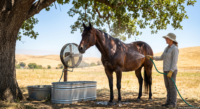
Ensure Clean Water Access
Hydration is critical for gut movement.
-
Reduce Stress
- Gradual changes in routine
- Proper exercise
- Social interaction
-
Regular Deworming
Follow a proper parasite control programe.
Best Feeding Practices for Digestive Health
- Feed more forage, less grain
- Avoid long periods without food
- Introduce diet changes slowly (7–10 days)
👉 Healthy feeding habits alone can prevent many stomach issues.
When to Call a Veterinarian
Seek professional help immediately if:
- Pain is severe or persistent
- Horse refuses to eat for long
- No manure is passed.
- Symptoms worsen quickly
👉 Delaying treatment can lead to serious complications.
Frequently Asked Questions (FAQ)
What is the most common stomach issue in horses?
Colic is the most common and can range from mild to life-threatening.
Can horse stomach problems go away on their own?
Mild cases may resolve, but serious conditions require veterinary care.
How can I prevent gastric ulcers in horses?
Provide constant forage, reduce stress, and limit high-grain diets.
Are supplements effective for horse digestion?
Yes, quality supplements can support gut health and prevent recurring issues.
In Short:-
Horse stomach issues can develop quickly, but with the right knowledge, they are often preventable and manageable.
By focusing on:
- Proper feeding
- Routine care
- Early symptom detection
You can keep your horse healthy and avoid serious complications.






Leave a comment