

Natural Treatment for Laminitis in Horses
Natural Treatment for Laminitis in Horses is something many horse owners start looking for the moment they notice their horse in pain. I’ve seen this happen quite often – one day the horse is fine, the next day it’s walking stiff or doesn’t want to move. It can feel scary, but the good thing is, laminitis is manageable in many cases. With early care, the right feeding, and a few natural steps, a lot of horses recover well and return to normal life.
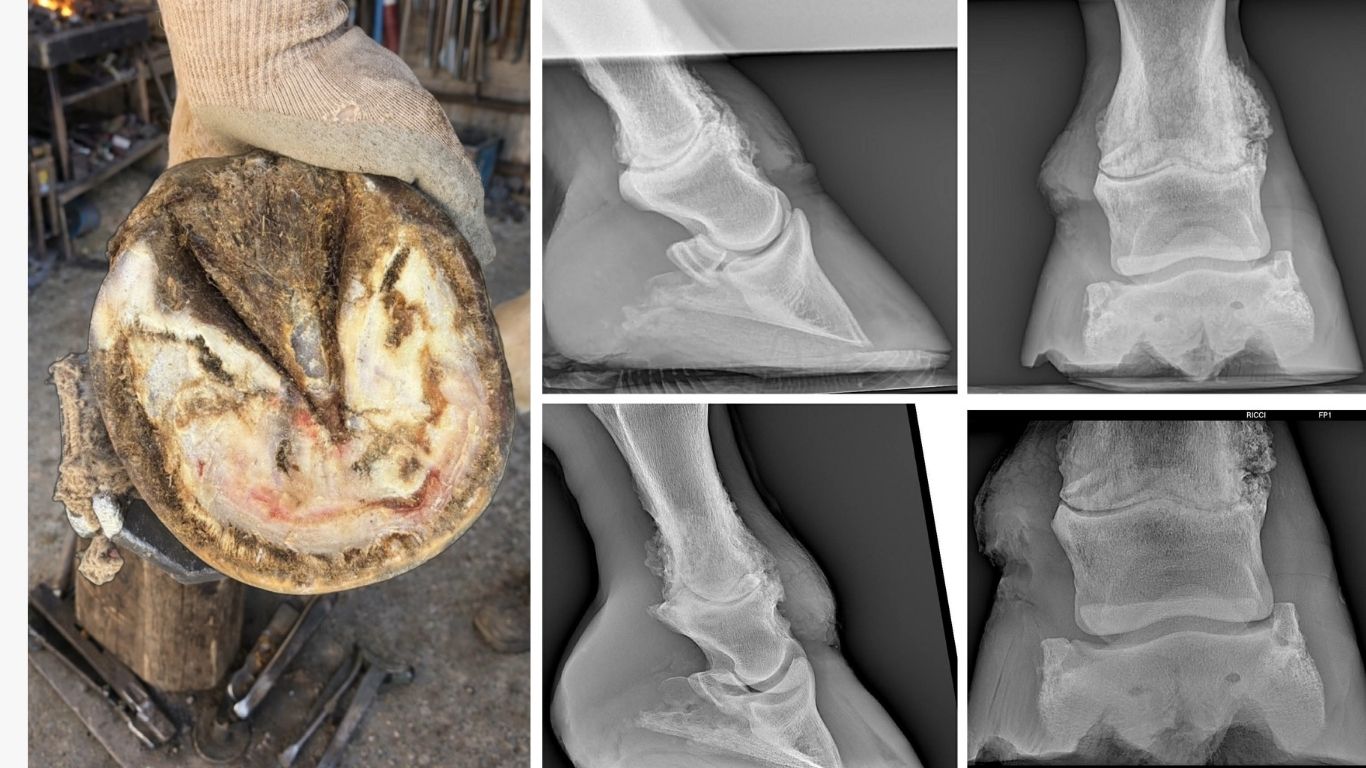
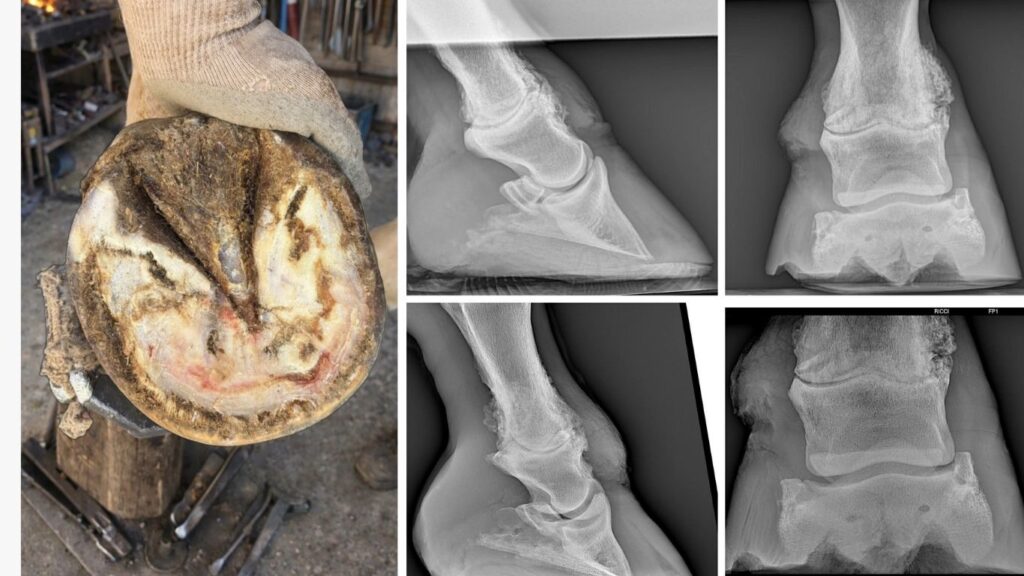
Laminitis is basically inflammation inside the hoof. It affects the soft tissues that hold everything together. When those tissues get irritated, it becomes painful for the horse to stand or walk. That’s why you’ll see them shifting weight or trying to lie down more.
Now, why focus on natural care? In my experience, small, consistent changes make a big difference. Things like adjusting diet, reducing sugar intake, and giving proper hoof support help the horse heal from within. Natural care is not about ignoring treatment – it’s about supporting recovery in a steady and safe way.
Many horse owners notice improvement just by correcting feeding mistakes and reducing pressure on the hooves. It’s not instant, but it works over time.
What is Laminitis in Horses?
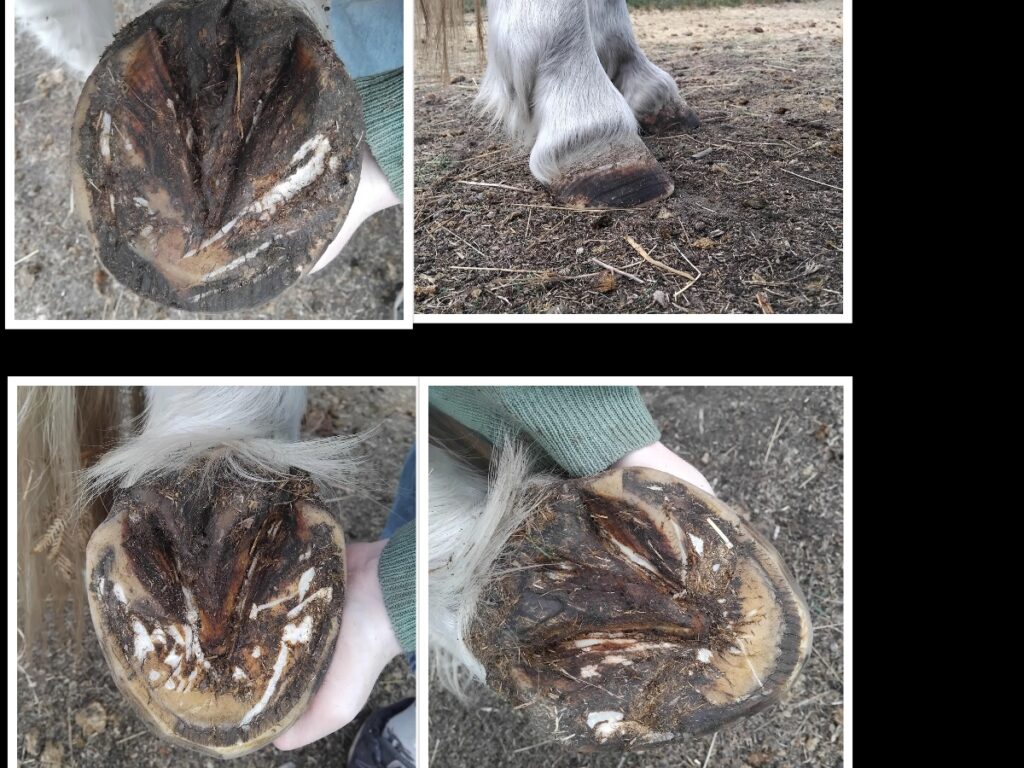
Laminitis is a condition where the inner layer of the hoof becomes inflamed. This layer connects the bone inside to the hoof wall. When inflammation happens, that connection weakens and causes pain.
You might notice:
- the horse standing with weight shifted backward
- warm or hot hooves
- a stronger-than-normal pulse near the hoof
- slow, careful walking
Some horses even refuse to move because it hurts too much. In simple words, it feels like they are walking on sore feet all the time.
Catching it early really helps. The sooner you act, the better the chances of recovery.
Types of Laminitis
- Acute laminitis (early stage, sudden pain)
- Chronic laminitis (long-term damage, recurring issues)
Laminitis in horses causes
Laminitis usually has a clear cause. It doesn’t just happen without a reason. Here are some of the most common triggers:
- Too much grain or rich feed
High sugar and starch levels can quickly lead to problems. - Sudden changes in diet
Horses need gradual changes. Quick switches can upset their system. - Overgrazing on green pasture
Fresh grass often contains high sugar levels. - Excess body weight
Overweight horses put more pressure on their hooves. - Lack of exercise
Standing too long reduces healthy blood flow in the hooves. - Stress or illness
Some infections or stress conditions can also trigger laminitis.
Many times, owners later realize it started after a feeding mistake or routine change.
Signs You Should Not Ignore
Laminitis gives early warning signs, but they are easy to miss if you’re not paying attention.
Watch for:
- reluctance to walk or move
- shifting weight from one leg to another
- standing with front legs stretched forward
- warm hooves
- strong digital pulse
In my experience, even mild signs should not be ignored. Taking action early can stop the problem from getting worse.
When to Call a Vet Immediately
- Horse refuses to stand or walk
- Severe pain or lying down constantly
- Hoof feels extremely hot
- Strong digital pulse that doesn’t reduce
- Signs of rotation (advanced cases)
Natural Treatment for Laminitis in Horses: Step-by-Step Care
Let’s go step by step.
First, What Does “Natural Treatment” Mean?
It doesn’t mean ignoring the vet.
It simply means:
- Supporting healing without heavy medications
- Using diet, environment, and gentle care
- Focusing on root causes, not just symptoms
Many horse owners prefer this approach, especially for mild or early cases.
1. Diet Control (This Is the Biggest One)
If there’s one thing that matters most, it’s feeding.
Laminitis is strongly linked to sugar.
So your goal is simple:
👉 Keep sugar and starch as low as possible
What works well:
- Dry, mature hay
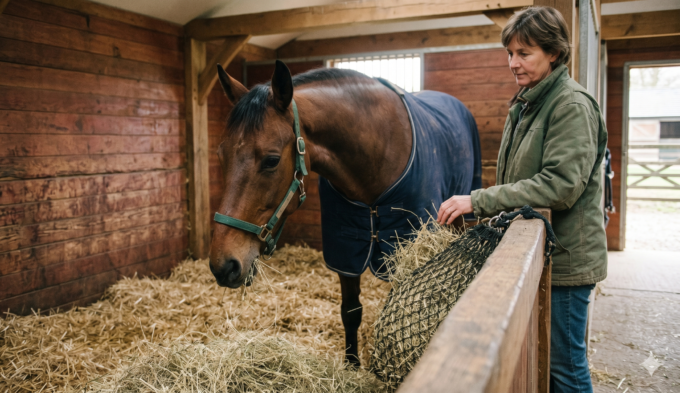
- Soaked hay (very helpful)
- Small, regular meals
What to avoid:
- Green, lush grass
- Grain and sweet feed
- Molasses-based feeds
In my experience, many horses improve just from strict diet control.
2. Soaking Hay (Simple but Powerful)
This is one of the easiest natural methods.
Soaking hay helps:
- Reduce sugar content
- Make it safer for laminitis horses
How to do it:
- Soak for 30–60 minutes
- Drain well before feeding
Many horse owners notice less hoof heat after switching to soaked hay.
3. Controlled Movement (Not Too Much, Not Too Little)
This part can be confusing.
During pain:
- Keep movement limited
- Provide soft bedding
After improvement:
- Slow, gentle movement helps circulation
In my experience, forcing exercise too early makes things worse. But complete rest for too long is also not ideal.
Just take it slow.
4. Deep, Soft Bedding
This sounds simple, but it really helps.
Use:
- Sand
- Shavings
- Soft, deep bedding
This reduces pressure on the hooves.
I’ve seen horses stand more comfortably almost immediately after this change.
5. Natural Anti-Inflammatory Support
Some natural options can help reduce inflammation.
Common ones:
- Flaxseed (rich in omega-3)
- Turmeric (used carefully, small amounts)
These won’t replace treatment, but they support healing.
Always introduce slowly.
6. Weight Management (Very Important)
Overweight horses are at higher risk.
Natural approach:
- Reduce calorie intake
- No sudden starvation
- Monitor body condition
Many horse owners don’t realize their horse is overweight until laminitis shows up.
7. Hoof Care (Regular and Gentle)
Even with natural treatment, hoof care is critical.
Focus on:
- Regular trimming (every 4–6 weeks)
- Keeping hooves balanced
- Avoiding long toes
In my experience, a skilled farrier makes a huge difference.
8. Limited Grazing (Be Careful with Grass)
Grass is one of the biggest triggers.
Better approach:
- Restrict grazing time
- Use a grazing muzzle
- Avoid spring pasture
Many owners notice flare-ups during certain seasons. That’s usually due to grass sugar levels.
9. Herbal Support (Use Carefully)
Some people use herbs like:
- Nettle
- Milk thistle
- Dandelion
These may support:
- Circulation
- Detox
- General health
But don’t rely only on herbs. Think of them as support, not a cure.
10. Stress Reduction
This is often overlooked.
Stress can affect:
- Hormones
- Metabolism
Keep things calm:
- Stable routine
- Comfortable environment
- Avoid sudden changes
Some horses are more sensitive than we think. This is one of the most effective natural treatment methods for laminitis in horses.
Is There a Natural Cure for Laminitis in Horses?
- Mild cases may recover fully
- Severe founder cases may not fully reverse
- Natural care helps manage inflammation and prevent flare-ups
- Early intervention matters most
Many horse owners search for a natural cure for laminitis in horses, but the truth is that recovery depends on how early the condition is caught. Mild cases often improve with strict diet control, proper hoof care, and reduced sugar intake. Severe cases may need lifelong management, but natural care can still greatly improve comfort and quality of life.
Can Grass Cause Laminitis?
Yes, grass can trigger laminitis in some horses, especially when the grass contains high sugar levels. Fresh green pasture may look healthy, but certain grasses become very rich in sugars during spring, after rain, or during cool sunny weather. Horses that are overweight, insulin resistant, or already sensitive to laminitis are at higher risk.
Many owners notice flare-ups after allowing unrestricted grazing, particularly in the early morning or evening when sugar levels in grass can rise. This is why pasture management is so important for laminitis prevention.
A safer approach is to limit grazing time, use a grazing muzzle, or keep the horse in a dry lot with controlled feeding. Some horses may still tolerate small amounts of grass, but it depends on the individual case.
In my experience, controlling pasture access is one of the biggest steps in preventing repeat laminitis episodes. Even healthy-looking grass can become a hidden trigger if not managed carefully.
Best Hay for Horses with Laminitis
Choosing the right hay is one of the most important parts of managing laminitis. Horses with laminitis do best on low-sugar, mature grass hay because it places less stress on the hoof tissues and helps control insulin spikes. In many cases, soaked hay is even safer since soaking can reduce some of the sugar content before feeding.
Timothy hay, orchard grass hay, and other mature grass hays are commonly used for laminitis horses. Very rich hay or hay with high sugar levels can make symptoms worse, especially in sensitive horses. Many owners also avoid feeding large amounts of alfalfa unless recommended by a vet or nutritionist.
A good routine is to feed small portions throughout the day instead of large meals at once. Consistency matters more than anything. In my experience, many horses become noticeably more comfortable after switching to a simple, low-sugar hay program and removing rich feeds completely.
Best Supplements for Laminitis in Horses (Natural Treatment Support)
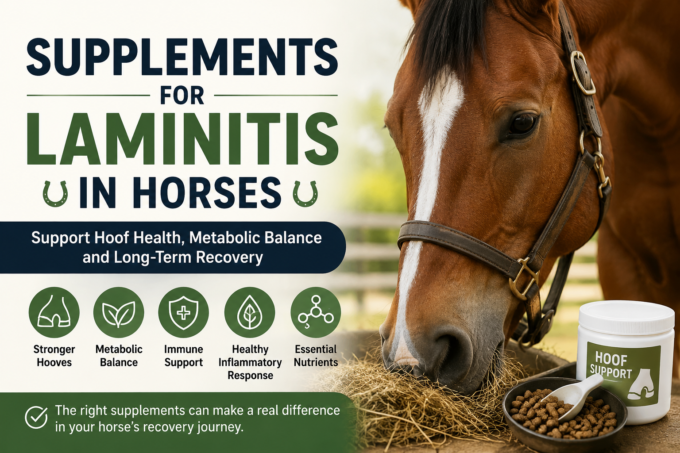
When it comes to Natural Treatment for Laminitis in Horses, supplements can support recovery, but they should not replace proper care and feeding.
Some helpful options include:
- Magnesium
Helps with metabolism and insulin balance. - Biotin
Supports hoof strength and growth. - Omega-3 fatty acids
Help reduce inflammation. - Chromium
May support blood sugar control.
Many horse owners notice better hoof quality after adding the right supplements. But it’s important not to overdo it. Simple, balanced support works best.
Foods That Trigger Laminitis
- Sweet feed
- Corn, barley
- Molasses
- Fresh pasture (especially morning/evening)
- High-sugar treats
Best Daily Routine for Recovery
- Morning: check hooves, feed soaked hay
- Midday: rest / limited movement
- Evening: small meal, check comfort
- Daily: monitor heat, pulse, posture
What You Should Do Immediately
If you suspect laminitis:
- Remove grain and rich feed
- Give only low-sugar hay
- Keep the horse on soft ground
- Limit movement
- Call a vet if needed
Natural care works best when started early.
Common Mistakes to Avoid
I’ve seen these happen again and again:
- Thinking “natural” means no restrictions
- Letting the horse graze too soon
- Ignoring early signs
- Changing diet suddenly
- Overloading supplements
Simple mistakes can delay recovery.
Can Laminitis Be Fully Cured?
- Mild cases → often fully recover
- Chronic cases → manageable, not always fully reversible
- Focus on management, not just cure
How Long Does Recovery Take?
This depends on severity.
Mild cases:
- Improve in a few weeks
Moderate cases:
- Take months
Severe cases:
- Need long-term care
In my experience, patience is everything here.
Signs Your Horse Is Recovering from Laminitis
Recovery from laminitis usually happens slowly, but there are several positive signs that show your horse is improving. One of the first things many owners notice is that the horse begins walking more comfortably and willingly. The stiff posture often starts to relax, and the horse may stop shifting weight constantly between the front feet.
Another good sign is reduced heat in the hooves and a weaker digital pulse. Horses recovering well also tend to spend less time lying down and show more interest in eating and moving around normally.
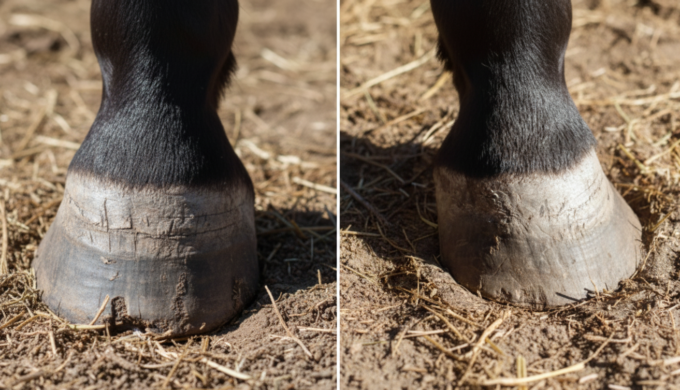
Over time, healthier hoof growth becomes visible near the coronary band. The hoof may slowly begin growing in with a smoother appearance compared to the damaged area below.
Recovery is rarely instant, and small setbacks can happen. In my experience, consistent diet control, proper hoof care, and patience make the biggest difference. Even gradual improvement is a positive sign that the horse is moving in the right direction.
Frequently Asked Questions
Can a horse recover naturally from laminitis?
Mild laminitis cases can recover well with early care, proper hoof support, and a low-sugar diet. Severe cases may need long-term management, but many horses still become comfortable and active again.
What is the best natural treatment for laminitis in horses?
The most effective natural treatment includes strict diet control, soaked low-sugar hay, proper hoof trimming, weight management, and limiting pasture access. Consistency is more important than using many supplements.
Is walking good for laminitis horses?
Too much movement during pain can worsen damage. Gentle movement may help later during recovery, but only after the horse becomes more comfortable and the hooves are properly supported.
Should laminitis horses eat grass?
Laminitis horses should have limited access to grass because fresh pasture often contains high sugar levels. Controlled grazing or a grazing muzzle is usually safer for sensitive horses.
Can soaked hay help laminitis?
Yes, soaking hay can reduce sugar content and make it safer for horses with laminitis. Many owners use soaked hay as part of a low-sugar feeding plan.
In Short:-
Natural treatment for laminitis in horses works best when done consistently and is not complicated… but it does require attention every day.
If I had to keep it simple:
- Control diet
- Support the hooves
- Keep things consistent
Many horse owners notice real improvement when they stick to basics.
It’s not about doing everything perfectly. It’s about doing the right things, again and again.
I’ve seen many horses become more comfortable within days after removing grain and limiting pasture access.
YOU CAN READ THIS ARTICLE:-
How Do I Know If My Horse Has Ulcers? 7 Warning Signs You Should Never Ignore
White line disease treatment
- home treatment for laminitis in horses
- how to treat laminitis in horses naturally
- laminitis in horses cure
- laminitis in horses natural care guide
- natural cure for laminitis in horses
- natural laminitis treatment for horses
- natural remedies for laminitis in horses
- Natural Treatment for Laminitis in Horses
- New Treatment for Laminitis in Horses
- treating laminitis in horses naturally



Leave a comment