

Laminitis in Horses Feeding
Feeding plays a huge role in laminitis. In many cases, it’s the main reason it starts-and also the key to recovery.
I’ve seen horses improve just by fixing their diet. Nothing complicated. Just the right changes done consistently.
Let’s break it down.
Laminitis in Horses Feeding: What to Feed and Avoid
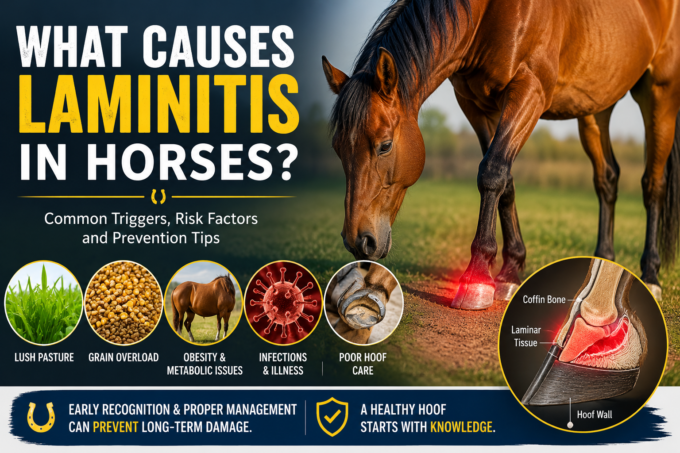
Laminitis is strongly linked to sugar and starch in the diet.
When a horse eats too much:
- Rich pasture grass
- Grain
- Sugary feeds
…it can cause insulin spikes. That’s where problems begin.
A lot of owners don’t realize this early on.
What “Low Sugar” Actually Means
When we say “low sugar” for laminitis, we’re really talking about keeping sugar and starch levels as low as possible in the total diet. In simple terms, it means avoiding feeds that cause sudden spikes in blood sugar and insulin. Most experts recommend keeping the combined sugar and starch (often called NSC) below about 10-12% for laminitis-prone horses.
You don’t need to get too technical, though. A good rule is to stick with plain, mature hay and avoid anything that feels rich, sweet, or overly green. Feeds with molasses, grains, or lush pasture grass are usually high in sugar. On the other hand, things like timothy hay or soaked hay are safer choices. Many horse owners notice that once they switch to a low-sugar approach, their horse becomes more stable and comfortable.
Best Feeding Plan for Laminitis in Horses
Keep things simple and controlled.
1. Low-Sugar Hay (Most Important)
This should be the main feed.
Good options:
- Timothy hay
- Bermuda hay
Using a good quality hay really matters. If you’re not sure about sugar levels, many owners prefer tested hay or reliable suppliers to stay safe.
Try to avoid:
- Very green, rich hay
- Alfalfa (in some cases, too rich)
👉 In my experience, soaking hay helps a lot.
Why Soaking Hay Works
Soaking hay is a simple trick that can make a big difference for horses with laminitis. When you soak hay in water, some of the water-soluble sugars (also called WSC) start to leach out into the water. These are the same sugars that can trigger insulin spikes and worsen laminitis.
By soaking the hay for around 30 to 60 minutes, you can reduce a portion of those sugars without changing the overall fiber content. From what I’ve seen, even this small step can help stabilize a horse that’s sensitive to diet. It’s not a cure on its own, but it lowers the risk. One thing to keep in mind-always drain the water and feed the hay fresh, because the leftover water contains the sugars you’re trying to remove. It’s a simple habit, but it can really support recovery when done consistently.
To make soaking easier, some owners use simple hay soaking tubs or containers instead of regular buckets.
2. Controlled Portions
Don’t free-feed without thinking.
Better approach:
- Small, frequent meals
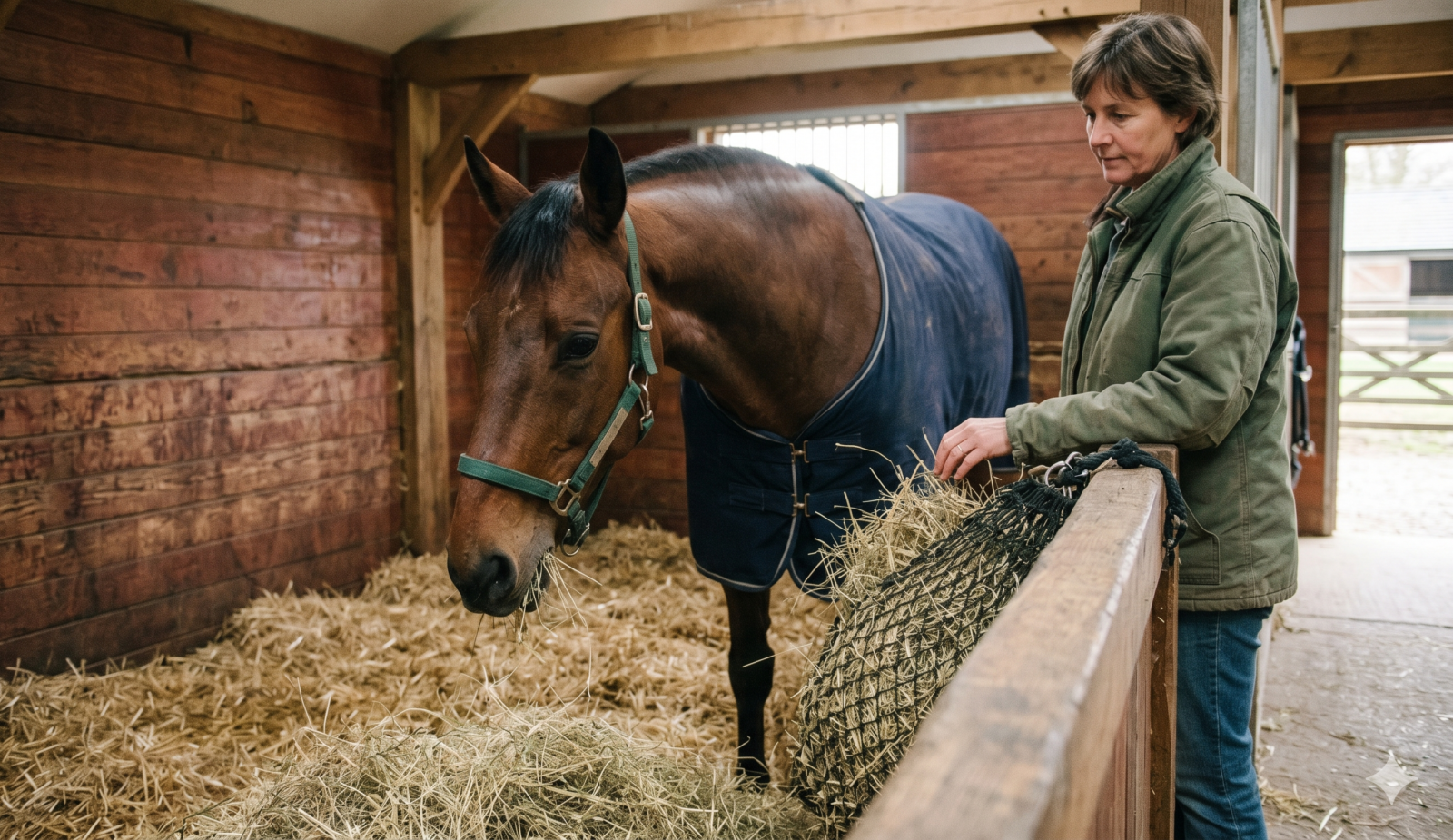
- Use slow feeder hay nets
Many horse owners notice less stress and better digestion this way.
3. Safe Fiber Feeds
If you need extra feed, go for low-starch options.
Examples:
- Beet pulp (unmolassed)
- Low-carb horse feed
These give energy without sugar spikes.
4. Fresh Water (Always Available)
Sounds simple, but very important.
Good hydration helps:
- Circulation
- Overall recovery
What to Avoid (Very Important)
This is where most mistakes happen.
Avoid:
- Grain (corn, oats, sweet feed)
- Lush pasture grass
- Molasses-based feeds
- Treats like carrots, apples (in excess)
I’ve seen many cases where owners unknowingly feed “just a little”… and it triggers another episode.
Grass Management
Grass is tricky.
Even healthy-looking pasture can be risky.
Safer approach:
- Limit grazing time
- Use a grazing muzzle
- Avoid early morning and spring grass
Many horse owners notice flare-ups during spring. That’s not a coincidence.
Feeding Routine That Works
Keep things consistent.
Simple routine:
- Morning: soaked hay
- Afternoon: small hay portion
- Evening: hay + safe fiber feed
Nothing fancy. Just steady and controlled.
Monitoring Weight and Body Condition
Keeping an eye on your horse’s weight is just as important as choosing the right feed. In many cases, laminitis is closely linked to excess body fat, especially around the neck, shoulders, and tail head. I’ve noticed that even small weight gain can increase the risk, so regular checks really matter. You don’t need anything complicated-just observe your horse weekly and feel for changes. If the neck starts getting thicker or the ribs are harder to feel, it’s a sign to adjust the diet.
A simple weight tape can also help track progress over time. The goal is not to starve the horse, but to maintain a healthy, steady condition. Slow weight loss, if needed, is always safer than sudden changes. Combining controlled feeding with light exercise (if the horse is sound) can make a big difference. Many owners overlook this part, but in my experience, managing weight properly helps prevent repeat episodes. It also supports overall hoof health and recovery. Keeping things balanced is the key-neither overfeeding nor restricting too much.
Common Feeding Mistakes
I see these a lot:
- Sudden diet changes
- Overfeeding “healthy” grass
- Too many supplements without balance
- Ignoring body weight
Small mistakes can undo weeks of progress.
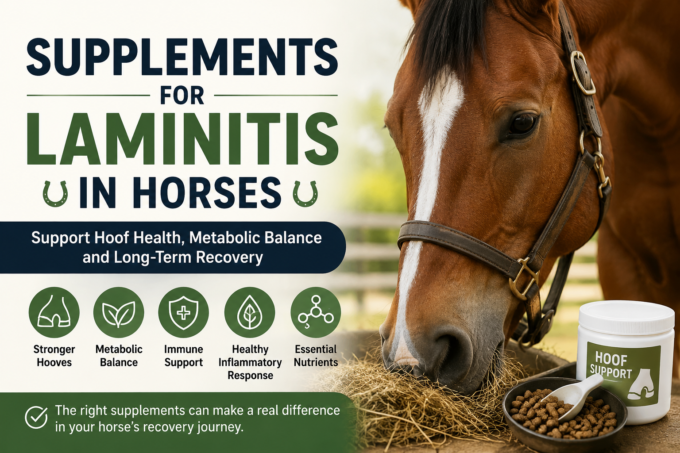
Best supplement for laminitis in horses:-
Used by farriers in the USA
Life Data Labs Farriers Formula Original
Horse Health Vita Biotin Crumbles horse hoof Supplement,
Can Horses With Laminitis Eat Grass Again?
Yes – some horses with laminitis can go back to grazing, but it has to be done carefully. I’ve seen plenty of horses do well on limited pasture once the hoof is stable and the inflammation is under control. The biggest mistake owners make is turning them straight back onto rich grass too soon.
Spring grass and early morning pasture can be especially risky because sugar levels are higher. That’s where a lot of flare-ups start again. In most cases, it’s safer to begin with very short grazing sessions and slowly see how the horse responds. A grazing muzzle can help a lot, especially for easy keepers or horses with insulin resistance.
Every horse is different. Some can handle a little pasture, while others stay sensitive long term. Watching body condition, hoof heat, and comfort level matters more than rushing them back onto grass. Slow and controlled usually works better than “testing your luck” with full turnout.
In Short:
Feeding a laminitis horse is not complicated… but it does need attention.
From what I’ve seen:
- Low sugar is everything
- Consistency beats everything else
- Simple feeding works best
If you get feeding right, you’re already halfway to recovery. Laminitis in horses feeding plays a huge role in managing this condition.




Leave a comment