

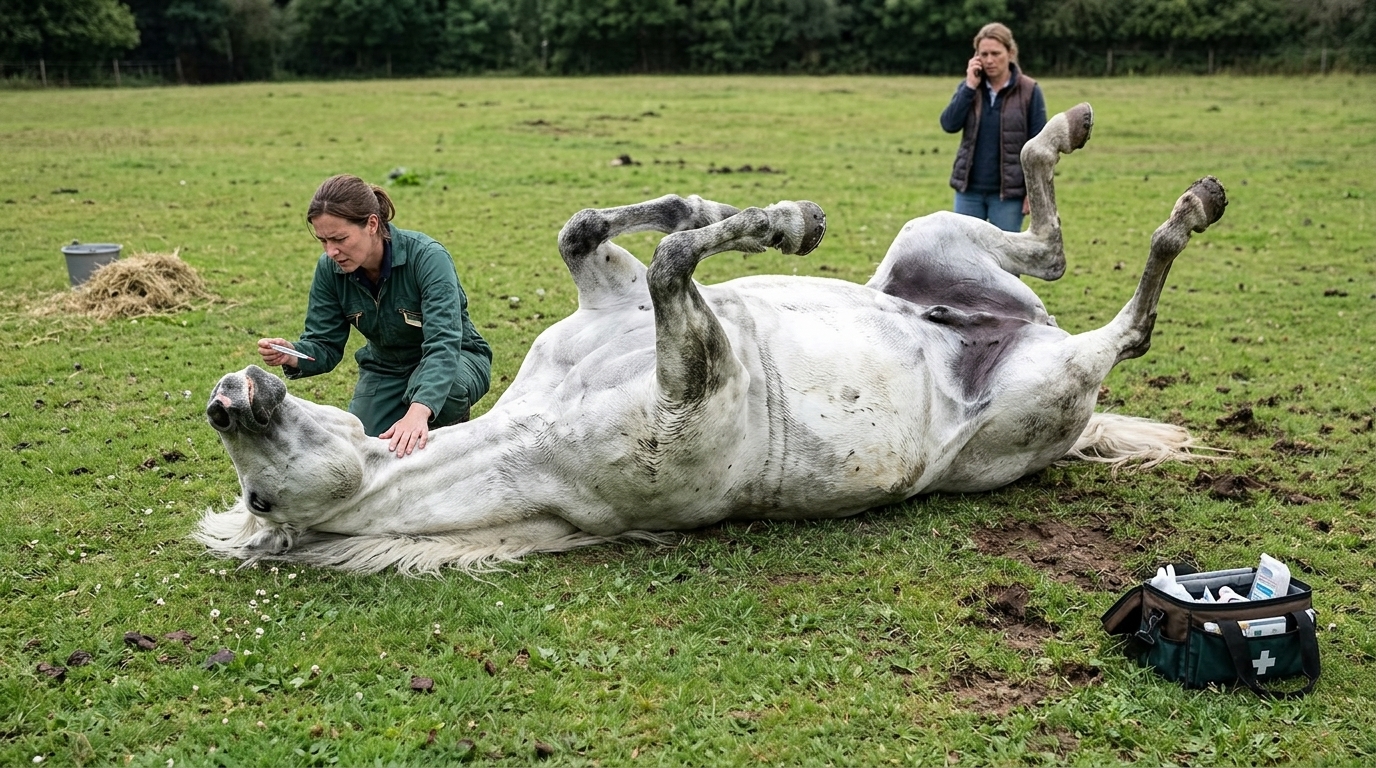
Why is my horse lazy all of a sudden
There’s a sentence heard in barns every single day:
“He’s just lazy.”
Sometimes it’s said with frustration.
Sometimes with disappointment.
Sometimes like it’s simply part of the horse’s personality.
But after spending enough time around horses-especially around difficult trims, sore feet, tense movements, and nervous body language-you start noticing something important:
A lot of “lazy” horses are not lazy at all.
They’re uncomfortable.
Some are dealing with hoof pain.
Some are trying to protect sore joints.
Some are exhausted from standing incorrectly because their feet hurt.
And some horses have simply learned that moving causes discomfort.
The problem is that horses cannot explain pain the way humans do.
They don’t point to a sore heel.
They don’t say their back hurts.
They don’t explain that every step on gravel feels sharp.
Instead, they change behavior.
And unfortunately, those behavior changes are often mistaken for attitude problems.
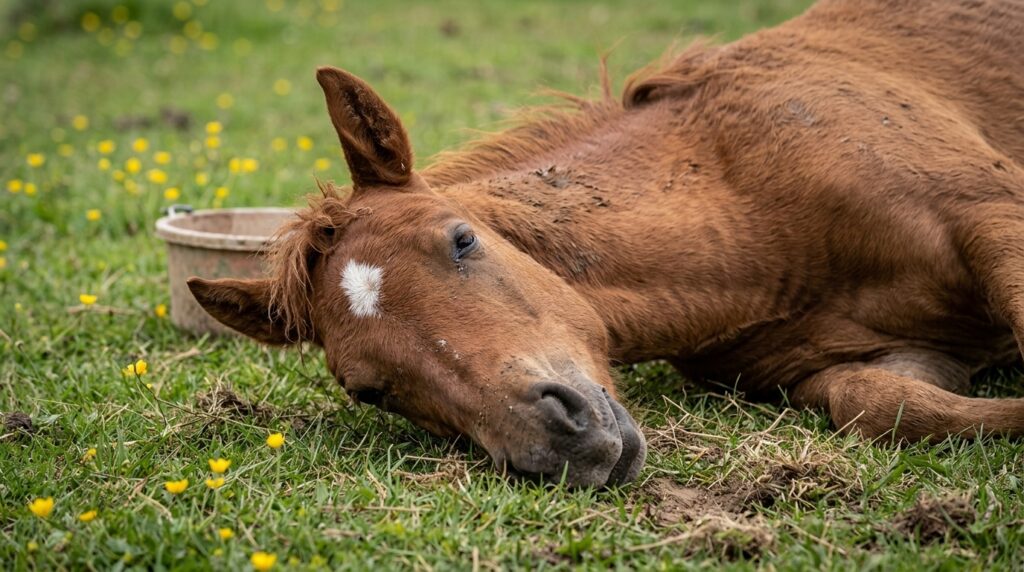
Behavior Is Communication
Horses do not communicate discomfort the way humans do.
They cannot explain that their heels hurt, that turning feels sharp, or that standing on gravel suddenly became uncomfortable. Instead, they communicate through behavior-and those changes are often much quieter than people expect.
A horse dealing with pain may not always limp dramatically. Sometimes the signs are subtle. The horse may walk slower, resist picking up a hoof, pin its ears during grooming, avoid certain surfaces, or suddenly seem less willing to work.
These behaviors are often mistaken for stubbornness or attitude problems.
But in many cases, the horse is simply trying to avoid discomfort.
This is especially common with hoof pain because every movement involves pressure. A horse with sore soles, thrush, bruising, or imbalance may start changing how it moves long before obvious lameness appears.
That’s why experienced horse owners, farriers, and veterinarians pay close attention to behavior changes-even small ones.
Because behavior is information.
A horse that suddenly becomes tense, hesitant, defensive, or unusually quiet is often trying to communicate something important. And the earlier those signals are noticed, the easier it usually is to prevent small problems from turning into serious ones.
Why a Horse Suddenly Becomes Lazy or Unwilling to Move
One of the biggest warning signs is reluctance to move forward.
Owners often describe it like this:
- “He’s stubborn.”
- “She suddenly became lazy.”
- “He doesn’t want to trot anymore.”
- “She refuses to go downhill.”
- “He drags his feet.”
But horses naturally want to move. Healthy horses are built for movement.
When a horse suddenly avoids movement, there is usually a reason behind it.
Sometimes the problem is obvious, like a visible limp. But many painful conditions start subtly.
The horse may:
- shorten stride length
- walk carefully on hard ground
- resist tight turns
- shift weight frequently
- stumble more often
- refuse certain surfaces
- pin ears during hoof cleaning
- become difficult for the farrier
These are not always training problems.
Very often, they are discomfort signals.
Hoof Pain Changes Everything
A horse with sore feet doesn’t just “walk funny.”
Hoof pain changes posture, movement, mood, confidence, and behavior.
Think about how humans walk when our feet hurt. We move differently without even realizing it. We protect the painful area automatically.
Horses do exactly the same thing.
A horse with hoof pain may:
- stand camped under
- lean forward unnaturally
- resist picking up feet
- walk slower than usual
- avoid rocky areas
- become anxious during trimming
- shift weight constantly
Owners sometimes think the horse is being dramatic or stubborn.
But many horses are simply trying to avoid pressure.
Sometimes ‘Laziness’ Is Early Laminitis
Laminitis does not always begin with a horse lying down or refusing to walk. In many cases, the early signs are much quieter.
Some horses simply become slower, reluctant to move, or unusually careful on hard ground. Owners may think the horse is being lazy, stiff, or unmotivated when the horse is actually trying to reduce pressure on painful feet.
A horse developing laminitis may:
- resist turning
- shift weight frequently
- stand awkwardly
- walk cautiously
- hesitate on gravel or concrete
- seem less willing to move forward
Because laminitis affects the sensitive structures inside the hoof, even mild inflammation can make movement uncomfortable.
The earlier these signs are recognized, the better the chances of preventing serious damage. That’s why sudden behavior changes should never be ignored-especially when combined with heat in the feet, soreness, or unusual posture.
Punishing a Horse in Pain Usually Makes Things Worse
When a horse is hurting, punishment rarely solves the problem. In many cases, it actually increases fear, tension, and defensive behavior.
A horse that refuses to move forward, pulls a hoof away, or resists work may not be trying to misbehave. The horse may simply be trying to avoid discomfort.
If pain is ignored and the horse is pushed harder, some horses become anxious, reactive, or shut down emotionally. Others may begin associating people, riding, or hoof handling with stress and discomfort.
This is especially common in horses dealing with hoof pain, sore backs, or previous painful trimming experiences.
Good horse care starts with asking “why” before assuming attitude problems.
That does not mean every horse behavior is caused by pain. But sudden changes in attitude, movement, or willingness deserve attention-not immediate punishment.
Many horses labeled difficult become calmer and more cooperative once the source of discomfort is properly addressed.
Thrush Can Make Horses Miserable
Thrush is often underestimated because people think it’s “just a smell.”
But deep thrush infections can become extremely sensitive.
Some horses react strongly when the frog is touched because the tissue underneath is already inflamed and sore.
A horse dealing with thrush may:
- snatch the hoof away
- hate hoof picking
- refuse muddy areas
- walk carefully
- stand awkwardly
In severe cases, horses may even develop behavioral changes because they begin associating handling with pain.
This is especially common when the infection has been ignored for too long. Regular hoof cleaning and early thrush treatment can make a major difference in comfort.
Overgrown Hooves Create Constant Strain
Many owners don’t realize how physically exhausting long or unbalanced hooves can become.
Even slightly overdue trimming cycles can change how a horse distributes weight.
That affects:
- tendons
- ligaments
- joints
- posture
- stride efficiency
Some horses stop wanting to move simply because movement becomes harder.
Not dramatic.
Not obvious.
Just uncomfortable enough to make the horse less willing.
That’s why regular trimming matters so much.
Not for appearance.
For comfort.
“Bad Behavior” During Trimming
Farriers see this all the time.
A horse that suddenly:
- jerks the foot away
- leans heavily
- refuses to stand
- kicks during hoof work
- becomes nervous around tools
People sometimes assume the horse needs “better discipline.”
But experienced farriers often look for pain first.
Because horses usually tolerate trimming surprisingly well when they feel comfortable.
When behavior suddenly changes, it’s worth asking:
- Is the horse sore?
- Is there bruising?
- Is the sole too thin?
- Is there white line separation?
- Is the horse compensating somewhere else?
Behavior is information.
And horses communicate discomfort through movement long before severe lameness appears.
White Line Disease Often Starts Quietly
White line disease is another issue that owners sometimes miss in the early stages.
At first, the horse may only seem slightly “off.”
Maybe slower on turns.
Maybe hesitant on rough ground.
Maybe less energetic.
Because white line disease weakens the hoof structure, some horses begin protecting the affected foot before obvious damage becomes visible.
If the infection progresses:
- the hoof wall weakens
- leverage increases
- movement becomes uncomfortable
- abscesses may develop
Again, the horse may simply appear “lazy.”
But underneath, the foot may already be struggling.
Horses Hide Pain Better Than People Think
This is one of the hardest things for new owners to understand.
Horses are prey animals.
In nature, showing weakness can make an animal vulnerable.
Because of that, many horses hide discomfort incredibly well.
Some continue working despite pain.
Some still eat normally.
Some still behave quietly.
But small clues appear if you pay attention.
You might notice:
- reduced enthusiasm
- tension while turning
- unwillingness to pick up speed
- stiffness after rest
- unusual posture
- resistance during grooming
- attitude changes
These things matter.
A horse rarely changes behavior “for no reason.”
Quick Signs Your Horse May Be Hurting
Not all pain looks dramatic. Many horses show discomfort through small behavior and movement changes long before obvious lameness appears.
Some early warning signs include:
- suddenly moving slower than normal
- reluctance to turn or trot
- stumbling more often
- standing in unusual positions
- shifting weight constantly
- resisting hoof handling
- pinning ears during grooming or saddling
- walking carefully on gravel or hard ground
- shortened stride length
- reduced energy or enthusiasm
Some horses also become unusually quiet, tense, or defensive when touched in sensitive areas.
These signs do not always mean there is a serious problem, but they should never be ignored-especially if the behavior appears suddenly.
Horses are very good at hiding discomfort, which means subtle changes often matter more than people realize.
The earlier soreness, hoof imbalance, infections, or body pain are identified, the easier they usually are to manage before they become larger and more painful issues.
When Sudden Laziness Is a Warning Sign
Not every quiet or slower-moving horse is dealing with a serious problem. Some horses naturally have calmer personalities and lower energy levels.
But sudden changes are different.
If a horse that normally moves willingly suddenly becomes reluctant, stiff, unusually slow, or resistant to work, it should never be ignored. Horses rarely change behavior dramatically without a reason.
Sudden laziness can sometimes point to:
- hoof soreness
- abscesses
- laminitis
- muscle pain
- joint discomfort
- saddle pressure
- illness or fatigue
The biggest warning sign is when the behavior appears quickly or continues getting worse over time.
Many owners wait too long because the horse is still eating, walking, or behaving “mostly normal.” But horses often continue functioning even while uncomfortable.
Paying attention to early changes can prevent minor soreness from developing into more serious pain and long-term movement problems.
Homemade-thrush-treatment-for-horses
White-line-disease-treatment-in-horses
How-to-trim-hooves-for-laminitis-horses
Saddle and Back Pain Matter Too
Not every “lazy” horse has hoof pain.
Sometimes the problem starts higher up.
Poor saddle fit can create pressure points that make movement uncomfortable.
Back soreness can make collection painful.
Muscle strain can cause resistance during transitions.
A horse may:
- refuse canter
- hollow the back
- pin ears during saddling
- move stiffly
- become girthy
Again, many horses are labeled stubborn when they are actually reacting to discomfort.
Pain changes attitude.
That’s true for people-and it’s true for horses.
Pain Often Appears First During Riding
Some horses look comfortable in the pasture but begin showing discomfort once ridden. That’s because movement under saddle places additional pressure on the horse’s feet, joints, back, and muscles.
A horse dealing with pain may suddenly:
- refuse transitions
- resist canter
- move stiffly
- toss its head
- swish its tail
- pin its ears
- slow down unexpectedly
Owners sometimes interpret these behaviors as attitude problems or laziness, especially if the horse still walks normally in the barn.
But riding often exposes soreness that is harder to notice on the ground.
Hoof pain, back discomfort, poor saddle fit, sore muscles, or joint stiffness can all affect how willingly a horse moves under a rider. Some horses become defensive because they expect discomfort during work.
That’s why sudden riding resistance should never be dismissed automatically as bad behavior. In many cases, the horse is reacting to physical discomfort long before obvious lameness appears.
Hard Ground Tells the Truth
One of the easiest ways to notice hidden soreness is by watching a horse on hard ground.
Grass can hide mild discomfort because it cushions impact.
But concrete, gravel, or packed dirt often reveals problems quickly.
A sore horse may:
- shorten stride
- walk toe-first
- move cautiously
- avoid sharp turns
- stumble
- appear tense
Many hoof problems become obvious only when the surface changes.
That’s why experienced horse owners pay close attention to how horses move across different footing conditions.
Some Horses Become “Lazy” From Fear
This part is often overlooked.
Horses remember painful experiences.
If movement previously caused discomfort, some horses begin associating work with pain-even after the original issue improves.
That horse may hesitate, resist, or move cautiously because it expects discomfort.
This is common after:
- abscesses
- laminitis
- severe thrush
- sole bruising
- overly aggressive trimming
- tendon injuries
The horse isn’t trying to annoy anyone.
It’s trying to protect itself.
Trust takes time to rebuild.
Aggressive Trimming Creates Problems
This is a sensitive topic in the hoof world, but it matters.
Over-trimming can absolutely create soreness.
Removing too much sole or frog can leave horses uncomfortable for days-or longer.
Some horses become foot-sensitive immediately after aggressive trimming.
Owners may notice:
- tenderness on gravel
- reluctance to move
- short strides
- standing carefully
- behavioral changes
That doesn’t mean trimming is bad.
It means balance matters.
Good hoof care should improve comfort-not reduce it.
Nutrition Affects Movement Too
Weak hooves and soreness are not always caused by trimming alone.
Nutrition plays a major role in:
- hoof quality
- inflammation
- recovery
- energy levels
- muscle support
Horses with poor hoof quality often struggle more with cracks, sensitivity, and infections.
And when the feet hurt, movement changes.
Sometimes what looks like laziness is actually physical fatigue caused by poor overall condition.
Older Horses Need More Understanding
Aging horses often slow down gradually.
That doesn’t automatically mean they’re lazy.
Arthritis, joint stiffness, thin soles, and reduced flexibility can all affect movement.
Older horses may:
- take longer to warm up
- move stiffly initially
- struggle on uneven ground
- rest more often
- resist tight circles
Many senior horses still want to work and interact.
They just need more comfort support and realistic expectations.
Watch the Small Changes
One of the best habits a horse owner can develop is noticing small changes early.
Because major lameness rarely appears overnight.
Usually there are warnings first.
Small changes matter:
- standing differently
- slower movement
- less energy
- avoiding one direction
- increased tripping
- reluctance during hoof handling
The earlier problems are noticed, the easier they usually are to manage.
Ignoring subtle discomfort often allows minor problems to become major ones.
Real Case Study:-
One horse had been labeled “lazy” for nearly a year. He moved slowly under saddle, avoided rocky ground, and constantly resisted picking up his front feet during trimming. The owner thought the horse simply lacked motivation and had become stubborn with age.
But during a routine hoof inspection, deeper problems became obvious.
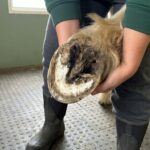
The horse had severely contracted heels, thrush hidden deep in the central sulcus, and thin sensitive soles. Every step on hard ground had likely been uncomfortable for months.
After consistent trimming, thrush treatment, and better hoof support, the horse’s behavior slowly changed. He began walking forward more willingly, stood calmer during trims, and moved with noticeably more confidence.
Nothing about the horse’s personality had changed.
The discomfort had.
Stories like this are more common than many owners realize. Sometimes the horse people call “lazy” is simply a horse that has been trying to cope quietly with pain for a very long time.
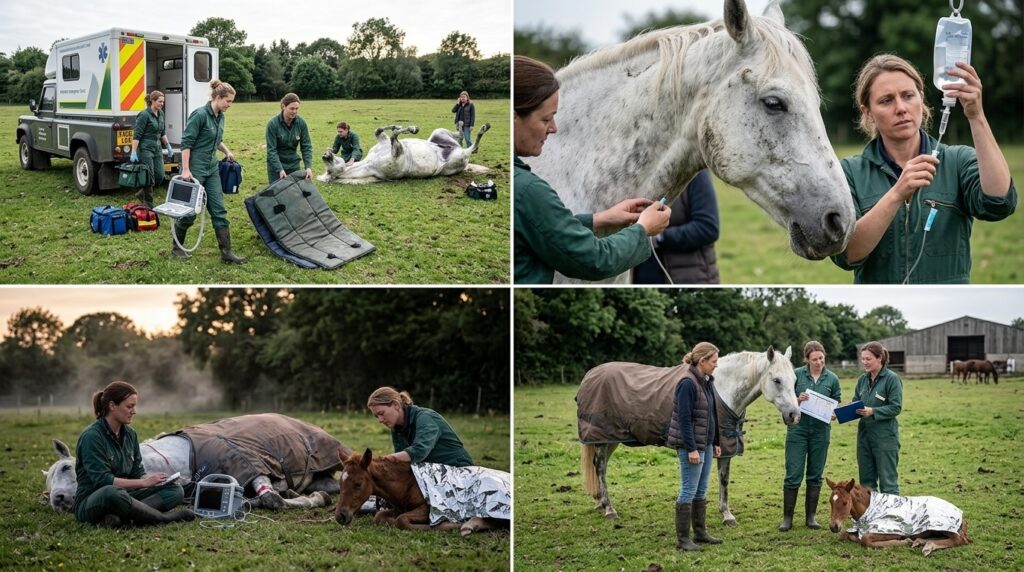
The Emotional Side Owners Don’t Talk About
Many horse owners feel guilty after realizing their horse was hurting.
Especially when they previously thought the horse was being difficult.
That feeling is more common than people admit.
But learning to recognize discomfort is part of becoming a better horse owner.
Nobody catches everything immediately.
The important thing is staying observant and willing to reconsider behavior changes instead of instantly assuming attitude problems.
Because sometimes the horse everyone called lazy…
was simply trying to cope quietly.
A Good Farrier Notices More Than Feet
Good farriers pay attention to the entire horse.
Not just hoof shape.
They notice:
- posture
- movement
- weight shifting
- reactions during trimming
- muscle tension
- sensitivity levels
Sometimes a horse tells the story before the hoof even gets cleaned.
That’s why communication between owners, farriers, and veterinarians matters so much.
Hoof problems are rarely isolated from the rest of the horse’s body.
Everything connects.
When to Call a Vet or Farrier
Some behavior changes deserve immediate attention-especially when they appear suddenly or continue getting worse.
A veterinarian or farrier should be contacted if a horse:
- becomes noticeably lame
- refuses to bear weight on a foot
- develops heat in the hooves
- has a strong digital pulse
- suddenly struggles to walk or turn
- reacts painfully during hoof cleaning
- becomes sore after trimming
- shows swelling, abscess drainage, or hoof cracks
- lies down more than usual
- refuses movement completely
Even mild signs matter if they persist for several days.
Many hoof and movement problems become much easier to manage when caught early. Waiting too long can allow small issues-like thrush, imbalance, bruising, or laminitis-to become more serious and painful.
Good horse care is not about overreacting to every small change. It’s about paying attention when something feels different and getting professional help before discomfort turns into long-term damage or chronic pain.
In Short:-
Not every slow horse is hurting.
Some horses are naturally quieter than others.
But sudden laziness, resistance, tension, or attitude changes deserve attention-not punishment.
Horses communicate through movement and behavior.
And many times, what humans call “bad behavior” is actually discomfort hiding in plain sight.
The horse refusing to trot forward…
might have sore soles.
The horse fighting hoof handling…
might have thrush pain.
The horse acting stubborn on rocky ground…
might simply be trying to protect sensitive feet.
Before assuming laziness, look closer.
Because horses rarely stop moving without a reason.
If your horse suddenly seems lazy, don’t ignore the small changes. Sometimes the quietest signs are the earliest warnings.”
Then maybe:
- encourage regular hoof checks
- encourage observing movement
- encourage early intervention.








Leave a comment