

Homemade Thrush Treatment for Horses
Thrush is one of those things that creeps in quietly, and finding a reliable homemade thrush treatment for horses becomes important once it starts showing up. If you’ve handled a few hooves, you know that smell straight away.
Thrush in horses isn’t complicated, but it does get worse fast if you ignore it. The earlier you deal with it, the easier it is to fix.
What is the best homemade thrush treatment for horses? (Quick Answer)
A mixture of iodine and sugar is one of the most effective homemade thrush treatments for horses.
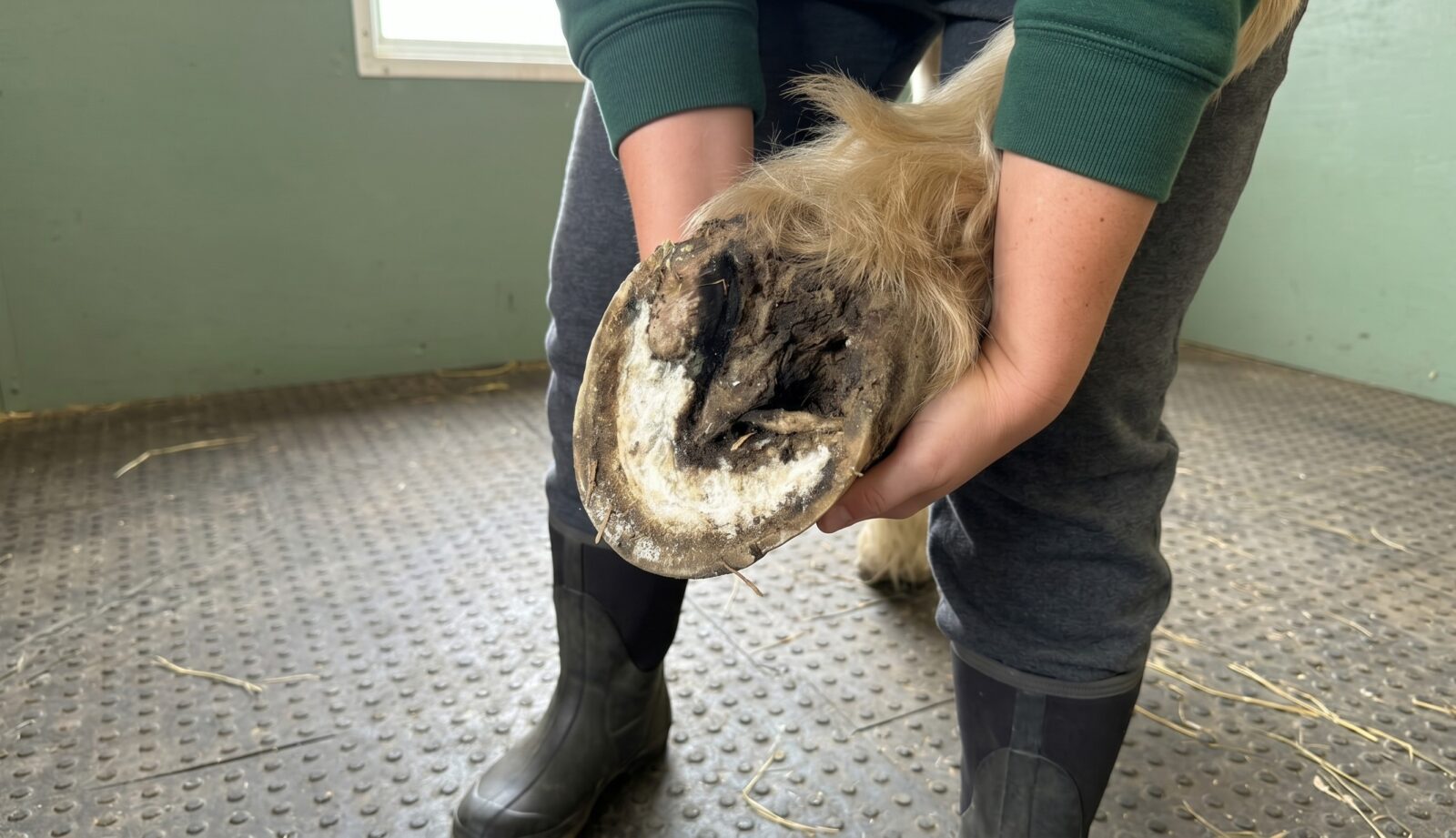
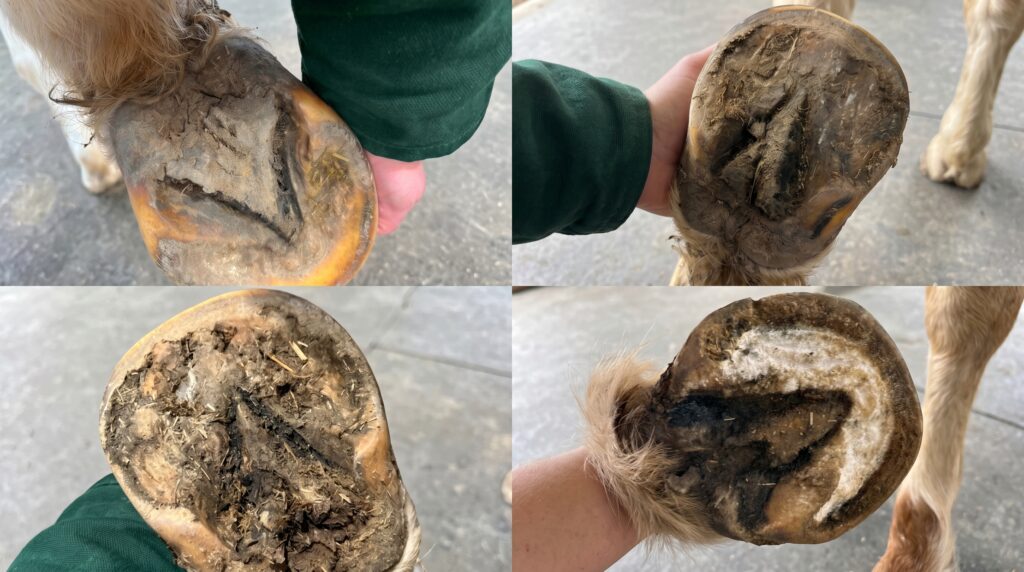
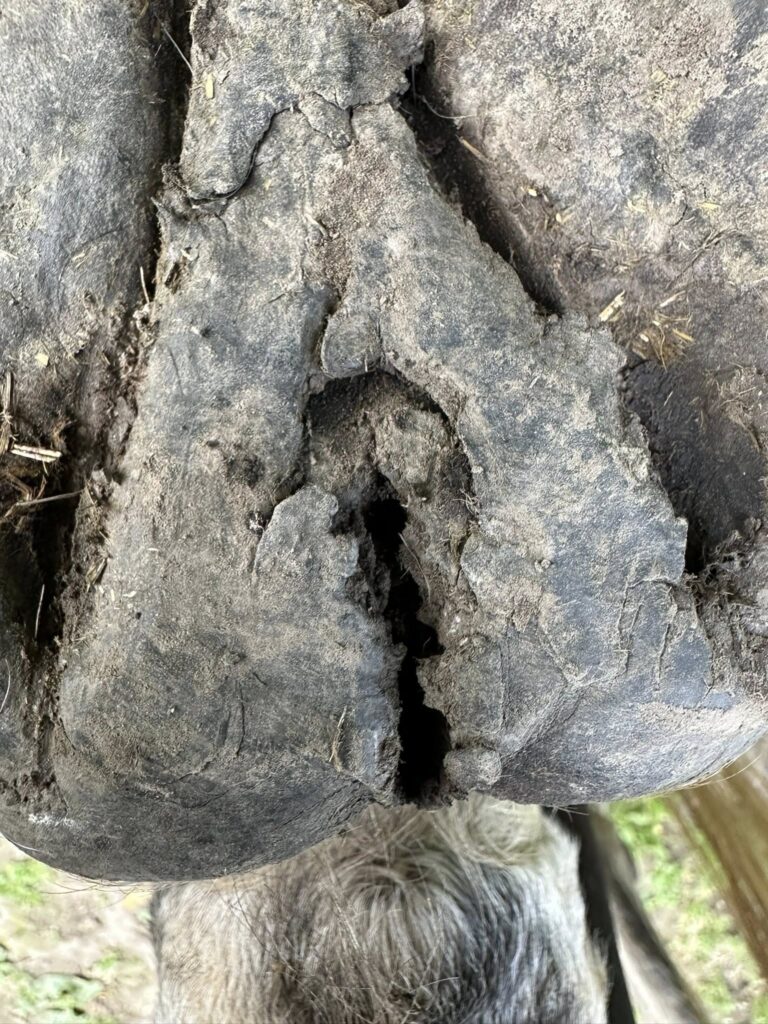
What Thrush Actually Looks Like in Real Life
Textbooks make it sound neat, but in reality, it varies.
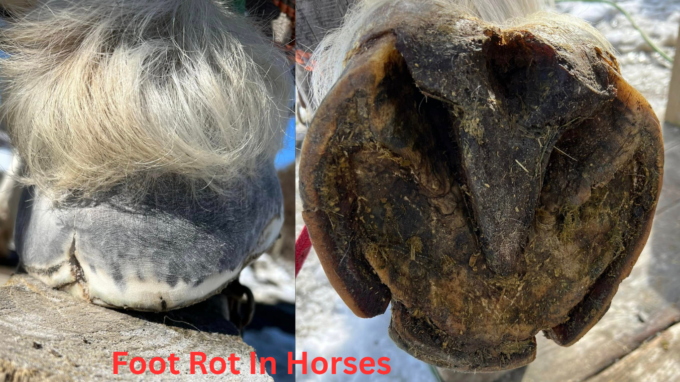
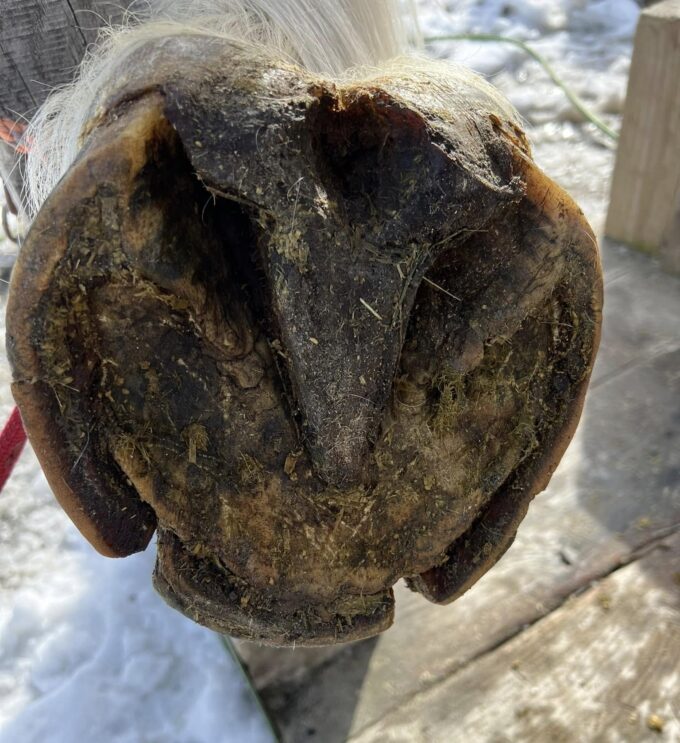
Most of the time you’ll see:
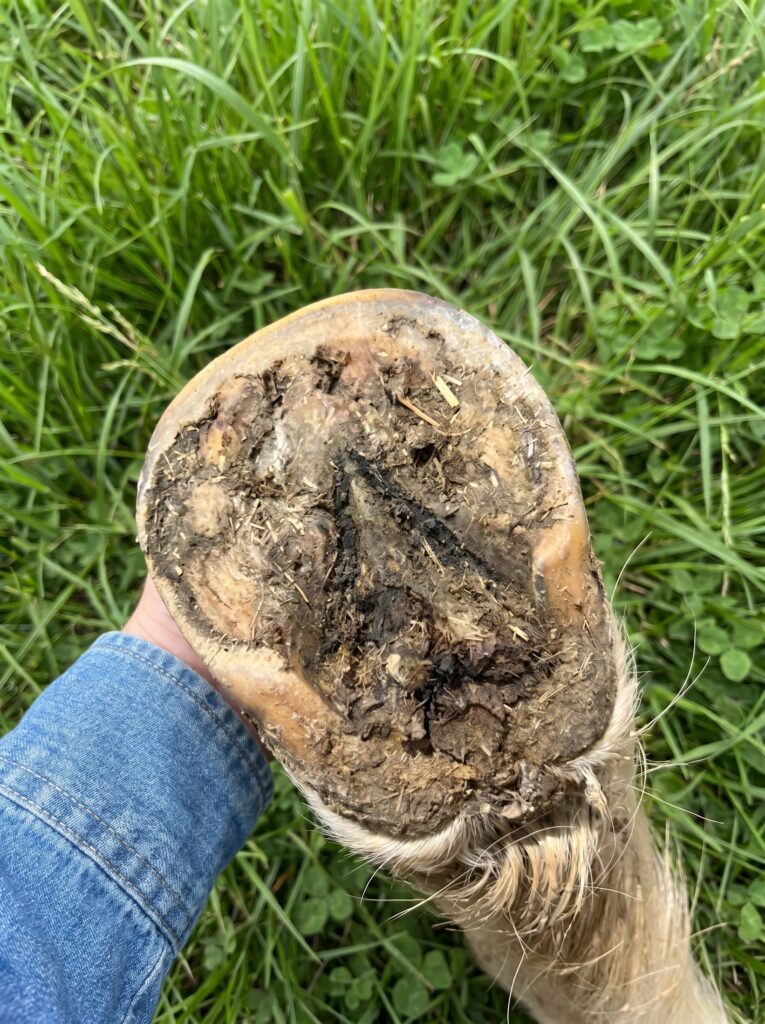
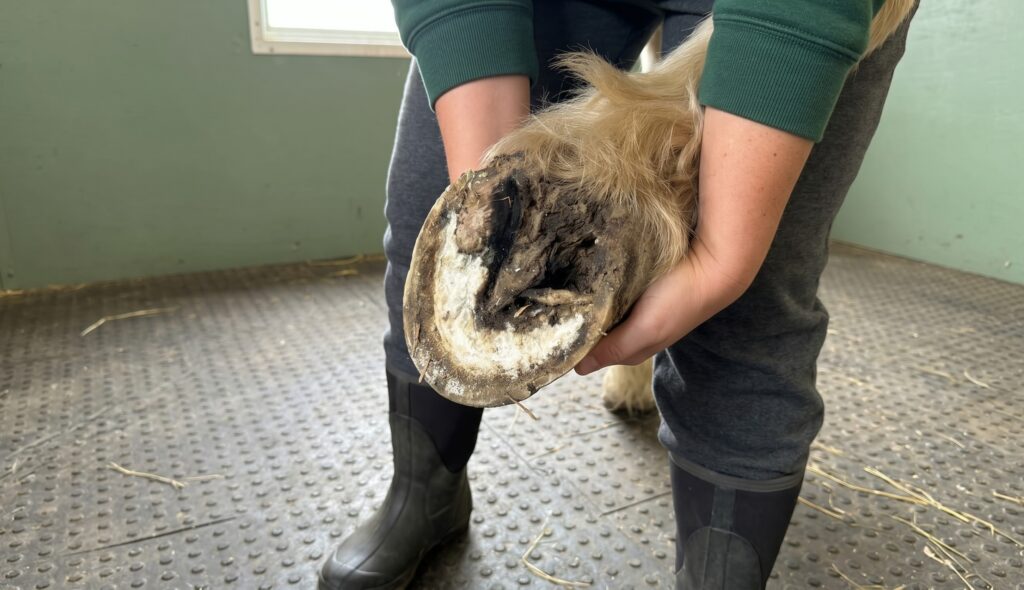
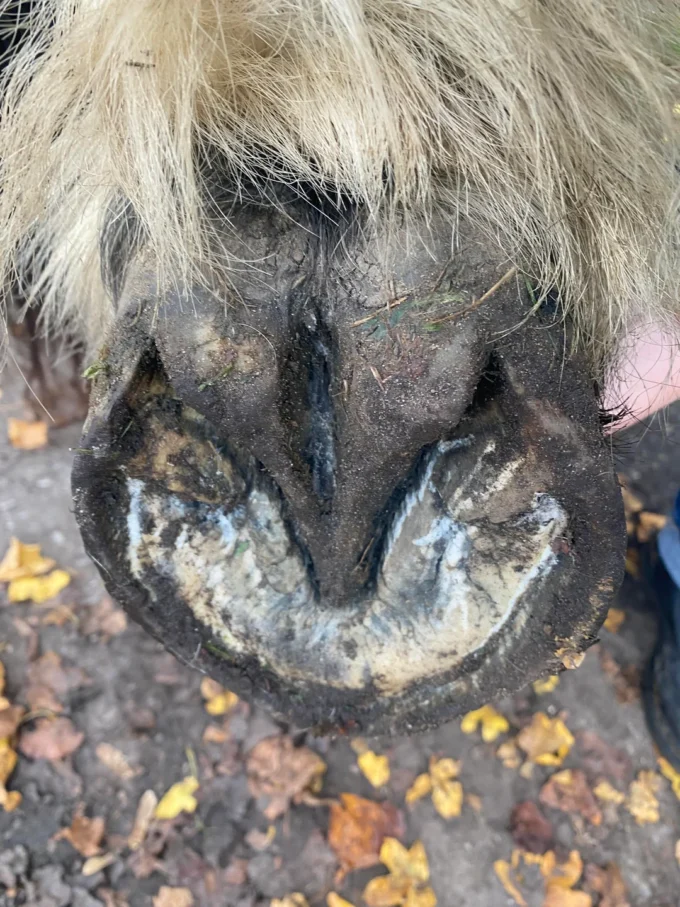
- A black, sticky discharge around the frog
- A deep groove (central sulcus) that shouldn’t be that tight
- Soft, weak frog tissue
- That strong, rotten smell
In worse cases, the crack goes deeper than you expect, and the horse may flinch when you press it.
That’s when you know it’s not just surface-level anymore.
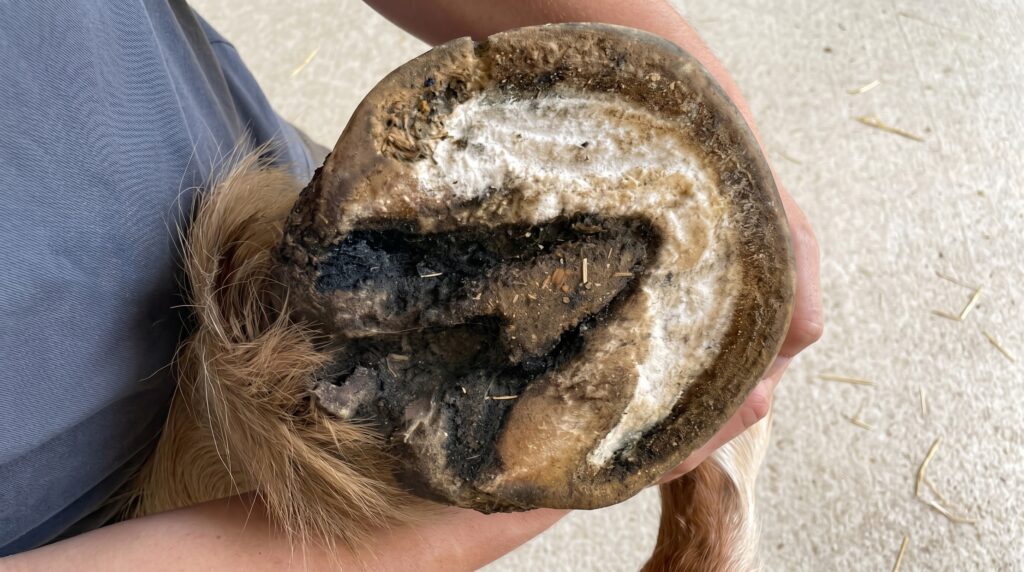
Mild vs Deep Thrush (Know What You’re Dealing With)
Not all thrush is the same, and this is where people often misjudge it.
Mild thrush usually looks like:
- Light smell
- Surface-level black discharge
- Frog still fairly firm
These cases respond quickly to basic cleaning and simple homemade treatments.
Deeper thrush is different:
- Strong, persistent smell
- Deep central sulcus crack
- Soft or collapsing frog
- Sensitivity when pressed
Once it gets to this stage, surface treatment alone won’t fix it. You need proper cleaning, consistent treatment, and often trimming to open the area up.
Before Any Homemade Thrush Treatment – Clean It Properly
This is where most people go wrong.
They apply something on top of dirt and expect results.
Doesn’t work.
You need to:
- Pick the hoof properly, not just a quick scrape
- Open up the grooves and get all packed dirt out
- Brush the frog so you’re actually seeing the tissue
- Let it dry before putting anything on
If the hoof isn’t clean, no home remedy for horse thrush will reach where it needs to.
If you’re not sure you’re cleaning the hoof properly, it’s worth understanding the basics of good hoof care. A proper routine makes a bigger difference than any treatment you apply.
If you’re not sure you’re cleaning the hoof properly, it helps to understand a proper hoof cleaning routine.
Best Homemade Thrush Treatment for Horses (What Actually Works)
There are plenty of natural thrush treatments out there, but only a few make a real difference when used properly.
Apple Cider Vinegar
A good option for mild thrush or early stages.
It helps create an environment where bacteria don’t thrive.
How to use:
Dilute with water and apply daily after cleaning. It’s simple, but effective for keeping things under control.
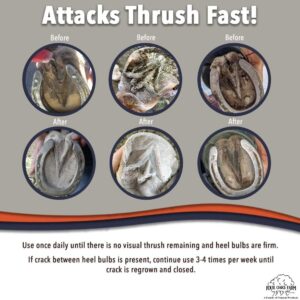
Iodine and Sugar Mix
This is one of the most reliable homemade thrush treatments for horses.
- Iodine deals with bacteria
- Sugar helps draw out moisture
How to use it properly:
Don’t just smear it on. Pack it into the cracks, especially the central sulcus. That’s where the infection usually sits.
Hydrogen Peroxide
Helpful, but easy to overuse.
It works well for flushing out dirt and infection in the early stage, especially when things are packed deep.
But using it daily can slow healing by affecting healthy tissue. Use it briefly, not as your main treatment.
Tea Tree Oil Mix
A gentler, natural option.
Works better for mild thrush or maintenance rather than deeper infections.
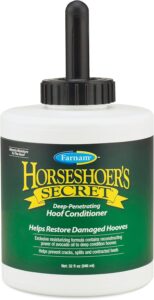
Turmeric Paste
You’ll hear mixed opinions on this, but I’ve seen it help in some cases.
It’s more of a support option rather than a primary fix.
Salt Water Soak
Simple, but useful.
If the hoof is really dirty or the infection is starting to build, soaking helps loosen things up before treatment.
What Causes Thrush in Horses
If you want to prevent it, you need to understand what causes it.
Common reasons include:
- Constant wet or muddy conditions
- Poor hoof cleaning routine
- Tight, untrimmed frogs trapping bacteria
- Lack of movement
Most of the time, it’s not just one thing-it’s a combination.
The Part That Actually Fixes Thrush
Here’s the truth-treatment alone doesn’t fix thrush.
Environment does.
If the horse stands in wet, dirty ground all day, even the best natural thrush treatment won’t hold for long.
Focus on:
- Dry footing
- Clean standing areas
- Less manure buildup
- Better drainage
Otherwise, you’re just treating symptoms.
Choosing the right homemade thrush treatment for horses depends on how deep the infection is.
Hoof Trimming and Thrush (Where It Really Changes)
A lot of thrush cases don’t improve because the hoof isn’t opened up properly.
If the frog is tight and folded in, bacteria stay trapped.
A proper trim should:
- Remove dead, loose tissue
- Open the frog area for airflow
- Expose infection so treatment can reach it
Without that, even good treatments struggle.
Something I Always Watch
The central sulcus tells you everything.
If it’s:
- Deep
- Narrow
- Hard to clean
Then you’re dealing with more than surface thrush.
That area needs attention, not just surface treatment.
How to Know Your Treatment Is Working
You don’t need anything complicated-just look and smell.
- Less odor
- Firmer frog
- Cleaner surface
- Shallower cracks
That’s how you know your homemade treatment is doing its job.
How Long Does Thrush Take to Heal?
This depends on how early you catch it and how consistent you are.
- Mild cases can improve within 3 to 7 days
- Moderate cases usually take 1 to 2 weeks
- Deeper infections can take several weeks, especially if trimming is needed
The biggest factor isn’t the treatment-it’s consistency.
If you clean properly, keep the hoof dry, and stay on top of it daily, healing is usually straightforward.
Common Mistakes That Slow Healing
- Treating without cleaning first
- Keeping the horse in wet conditions
- Using strong chemicals too often
- Ignoring deep cracks
- Stopping treatment too early
These are the reasons thrush keeps coming back.
Homemade vs Commercial Thrush Treatments
A lot of people ask whether homemade treatments are enough or if they should use store-bought products.
Here’s the simple truth:
Homemade treatments:
- Affordable
- Easy to use
- Work well for mild to moderate thrush
Commercial products:
- Often stronger
- Useful for deeper infections
- Sometimes overused or too harsh
In most cases, homemade treatments work just fine-as long as the hoof is clean and the environment is dry.
When Homemade Treatment Isn’t Enough
Natural remedies for thrush in horses sometimes won’t be enough on their own.
Watch for:
- Lameness
- Deep or bleeding cracks
- Heat in the hoof
- No improvement after consistent care
That’s when proper trimming-and sometimes veterinary help-becomes necessary.
How to Prevent Thrush from Coming Back
Once you’ve treated it, keeping it away is much easier.
- Pick hooves regularly
- Keep the environment dry
- Maintain consistent trimming
- Check hooves often
Even the best homemade thrush treatment for horses won’t hold if the environment stays wet.
A Simple Daily Routine That Works
If you want something easy to follow, keep it simple:
- Pick and clean the hoof properly
- Check for smell, cracks, or soft tissue
- Apply your chosen homemade treatment
- Keep the horse on dry footing
Do this daily, and most thrush cases improve without needing anything complicated.
Frequently Asked Questions
Can thrush heal on its own?
Not usually. Without cleaning and treatment, it often gets worse over time.
How often should I treat thrush?
Daily treatment works best, especially in the early stages.
Is thrush painful for horses?
Mild cases may not be painful, but deeper infections can cause discomfort or lameness.
Summary:-
There’s no shortcut here.
The best homemade thrush treatment for horses works only when you combine it with clean hooves, a dry environment, and consistent care.
Do that, and even stubborn cases start improving. That’s what actually makes the difference.
The key is staying consistent and using the right homemade thrush treatment for horses alongside proper hoof care.




Leave a comment