

Foot Rot in Horses:
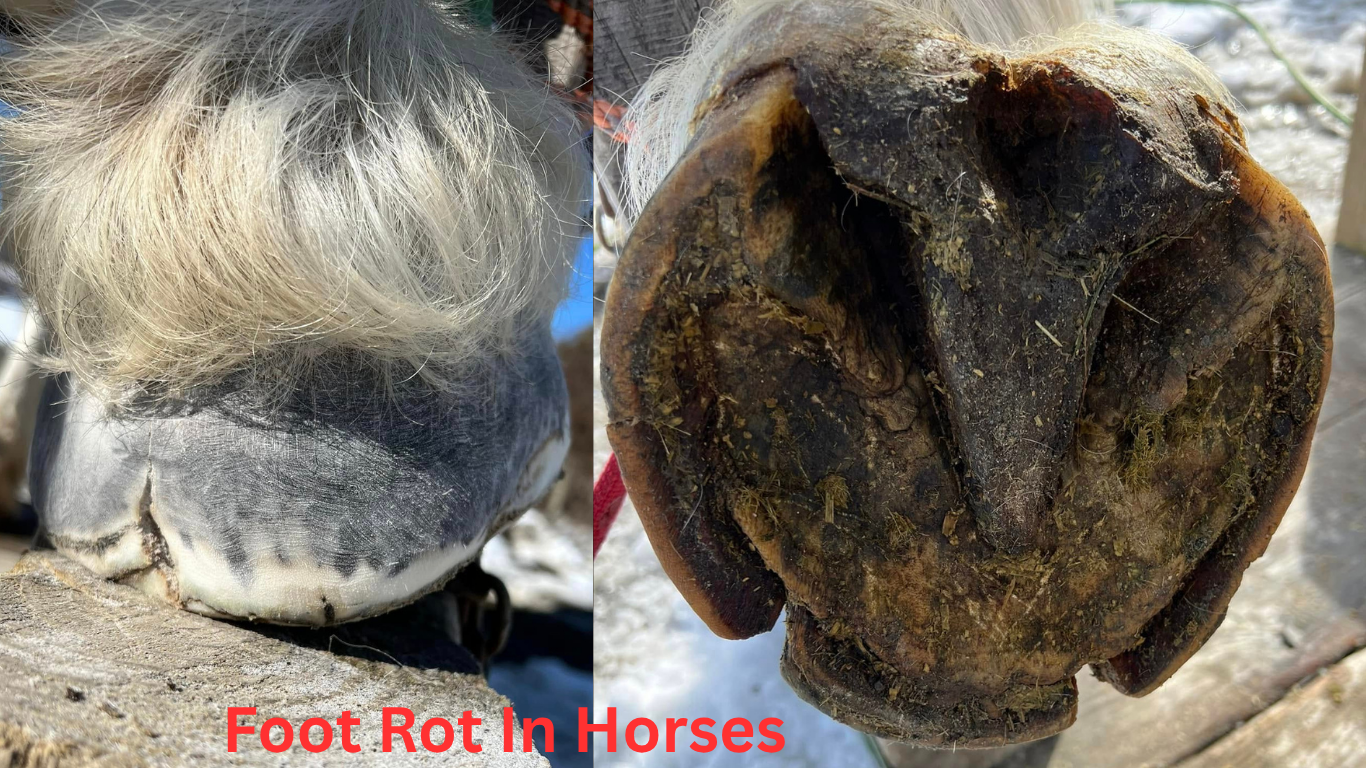
Foot rot in horses is one of those problems you don’t always notice right away. Most of the time, it starts small-a bit of smell, some soft frog tissue-and it’s easy to think it’s just mild thrush. But if it’s left alone, it can go deeper and turn into something that actually makes the horse sore.
If you’ve ever picked up a foot and noticed a strong odor or black discharge, you’re already looking at the early signs. The good news is, if you stay consistent, this is something you can manage and clear up.
Many horse owners first notice a foul smell or soft tissue around the frog and assume it’s just mild thrush. In reality, foot rot can go deeper, affecting sensitive structures and leading to lameness if not treated properly.
This guide walks you through everything you need to know-from early signs to effective treatment and long-term prevention.
What Is Foot Rot in Horses?
In simple terms, foot rot is a bacterial infection in the hoof. It mainly affects the frog and the grooves around it.
The bacteria like dark, wet, dirty conditions. So when a hoof stays packed with mud, manure, or moisture, that’s where the trouble starts.
At first, it just breaks down the outer tissue. But if it keeps going, it can reach deeper and make the horse uncomfortable to stand or move.
How to Tell the Difference Between Foot Rot and Thrush
A lot of people use these words to mean the same thing, but they’re not exactly the same.
Thrush is usually an illness on the frog’s skin.
Foot rot is more dangerous and can affect deeper organs.
If you don’t treat thrush, it can often turn into a more serious illness that looks like foot rot.
What’s Different:
Thrush generally only affects the outside of frog tissue.
Rot in the feet can go deeper and hurt more.
Foot rot could make you lame more quickly.
Most of the time, the smell and flow are stronger.
Being aware of this difference helps you move quickly and pick the best treatment method.
What Causes Foot Rot in Horses?
Foot rot doesn’t develop overnight. It usually results from a combination of environmental conditions and hoof care practices.
1. Constant Moisture Exposure
Wet environments are the biggest contributor.
- Muddy paddocks
- Wet bedding
- Standing water
Moisture softens the hoof and allows bacteria to thrive.
2. Poor Stable Hygiene
Manure and urine create an ideal breeding ground for bacteria. When hooves are constantly exposed to these conditions, infection risk increases significantly.
3. Infrequent Hoof Cleaning
When hooves aren’t cleaned regularly, debris builds up in the frog grooves, trapping bacteria and moisture.
4. Improper Hoof Trimming
Long or unbalanced hooves can create deep, narrow crevices where bacteria can grow unnoticed.
5. Hoof Damage or Cracks
Even small cracks can allow bacteria to enter deeper tissues.
6. Limited Movement
Horses that stand in one place for long periods, especially in damp conditions, are more prone to infection.
7. Weak Hoof Quality
Poor nutrition or underlying health issues can weaken hoof structure, making it easier for infections to develop.
Symptoms of Foot Rot in Horses You Shouldn’t Ignore
Most people notice the smell first.
Here’s what to watch for:
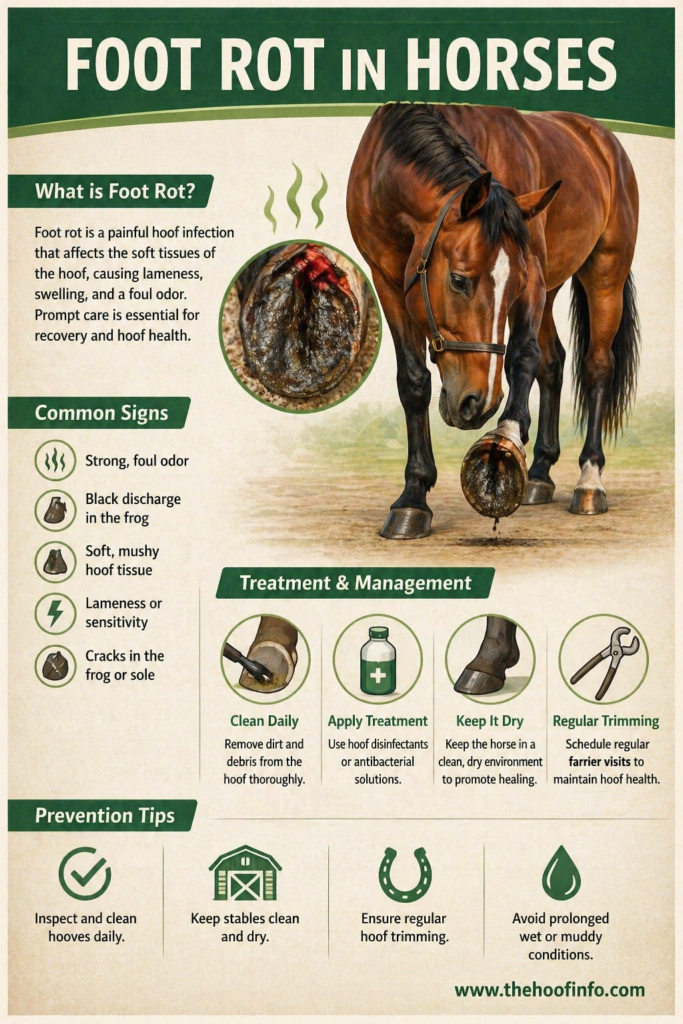
- Strong, rotten smell when you pick the hoof
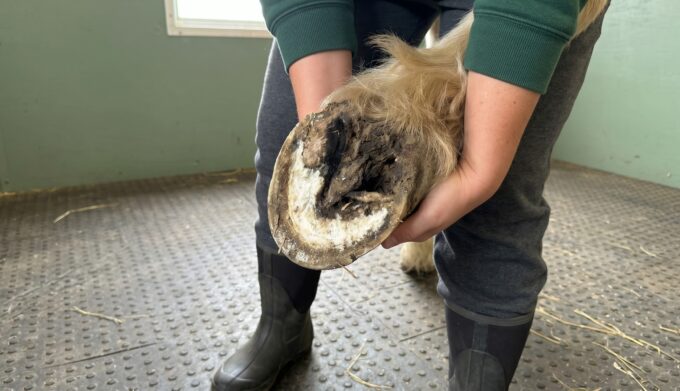
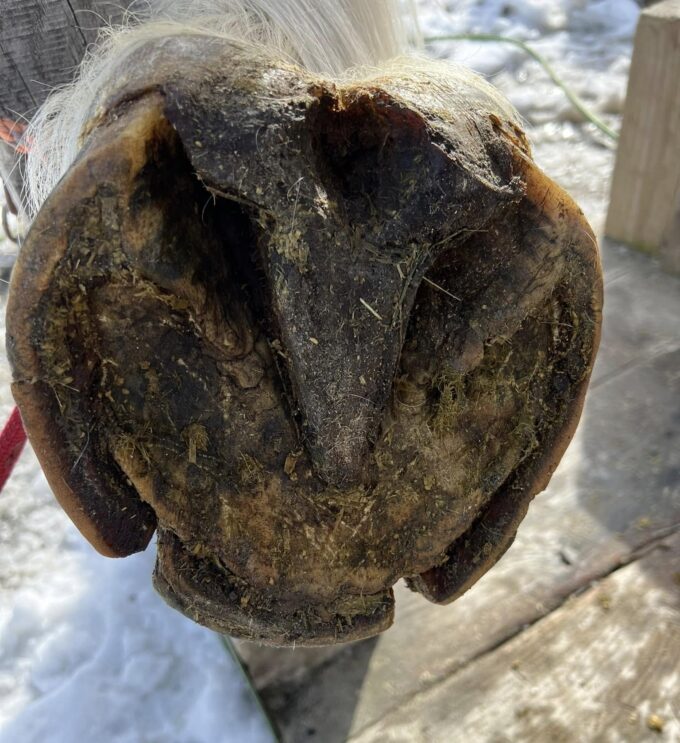
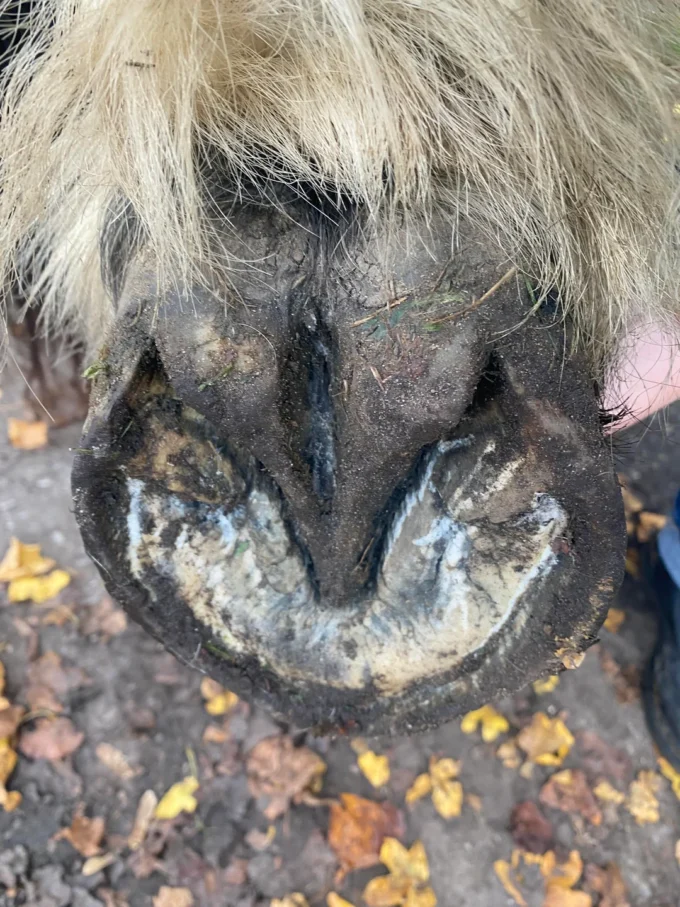
- Black or dark material in the frog
- Soft, crumbly frog tissue
- Deep groove down the center (central sulcus)
- Horse pulling the foot away when you clean it
If it gets worse, you may see:
- Limping
- Swelling
- Bleeding or raw tissue
If you notice these signs, it’s important to act quickly.
How Foot Rot Affects Hoof Health
Foot rot doesn’t just damage surface tissue. It can:
- Weaken the structural integrity of the hoof
- Disrupt weight distribution
- Increase risk of secondary infections
- Affect movement and performance
Left untreated, it can lead to chronic hoof problems.
Diagnosing Foot Rot in Horses
Most mild cases can be identified visually and by smell. However, professional evaluation is recommended when:
- Lameness is present
- Infection appears deep
- There is no improvement after several days
- Swelling extends above the hoof
A farrier or veterinarian can assess the extent of damage and guide treatment.
How to Treat Foot Rot in Horses (What Actually Works)
There’s no shortcut here. What works is simple, but you have to stay consistent.
Successful treatment depends on consistency. The goal is to remove bacteria, restore healthy tissue, and create an environment where infection cannot return.
1. Clean It Properly Every Day
Start here. Always.
Use a hoof pick and really get into:
- The frog
- The grooves
- The central sulcus
Don’t rush this part. If you leave debris behind, treatment won’t work.
2. Open It Up If Needed
If the hoof is tight and packed, a farrier may need to trim it.
This helps:
- Air reach the infected area
- Remove dead tissue
- Let medication actually do its job
Without this, some cases just keep coming back.
Step 3: Apply Antibacterial Treatments
Use treatments that both kill bacteria and dry the area.
You can use a quality hoof treatment like this one…Effective Options:
- Iodine solutions
- Copper sulfate
- Commercial thrush/hoof infection products
Apply directly into affected areas, especially deep grooves.
(Some links in this article may be affiliate links. This means I may earn a small commission at no extra cost to you if you purchase through them.)
Step 4: Keep the Hoof Dry
This is critical for healing.
- Use clean, dry bedding
- Avoid muddy turnout
- Improve drainage in paddocks
Without dryness, treatment will not be effective.
Step 5: Use Hoof Packing (If Needed)
For deeper infections:
- Apply medication
- Pack with clean material
- Keep it in place temporarily
This helps medication stay in contact longer.
Step 6: Maintain Daily Care
Repeat cleaning and treatment daily until the infection clears.
Consistency is more important than the specific product used.
Real Farrier Tips (From Day-to-Day Hoof Work)
These are the small things that make a big difference.
Most stubborn cases of foot rot come down to details like these.
1. “If it smells strong, it’s deeper than it looks”
A light thrush smell is one thing. But if the odor is sharp and lingering, the infection is usually sitting deeper in the central sulcus.
👉 Don’t just treat the surface-work the treatment into the groove.
2. Open the foot, don’t trap it
Tight, closed frogs hold moisture and bacteria. A proper trim should:
Open up the frog
Remove loose, dead tissue
Allow air to reach inside
👉 A hoof that can “breathe” heals faster.
3. Dry footing fixes more than medicine
You can apply treatments every day, but if the horse stands in wet bedding or mud, you’re fighting a losing battle.
👉 Many cases improve just by fixing the environment.
4. Clean deeper than you think
Most people stop at the surface.Real cleaning means:
Getting into the central sulcus
Removing packed debris fully
Not leaving any soft, infected material behind
👉 If debris stays, bacteria stays.
5. Don’t rush the trim
Over-trimming can make things worse, especially if sensitive tissue is exposed.
👉 Only remove what’s loose and dead. Leave healthy structure intact.
6. Watch how the horse reacts
A horse will tell you where the problem is.Pulling the foot away
Flinching during cleaning
Shifting weight
👉 These are signs the infection is deeper than it looks.
7. Consistency beats strong products
You don’t need the strongest chemical-you need regular care.
👉 It’s better to do basic care and clean every day than to do a lot of heavy care all at once.
8. Look at the other feet as well. If one foot has foot rot, the others are usually not far behind.
👉 Check out all four hooves, not just the one that is easy to see.
9.Check again after trimming cycles. Some infections seem to be gone, but they come back if the hoof shape still holds moisture.
👉 After the next trim, check to see if it stays clear.
10. Prevention is mostly management, not medicine
From a farrier’s point of view, most hoof infections are preventable.
👉 Dry ground, regular trimming, and daily checks solve most problems before they start.
Natural Options (For Mild Cases Only)
If it’s caught early, some people use:
- Apple cider vinegar (diluted)
- Tea tree oil
- Simple drying sprays
They can help, but only if the hoof is clean and dry. Otherwise, they won’t do much.
Recovery Timeline
Healing time varies depending on severity and care.
- Mild cases: about 1 week
- Moderate cases: 2–3 weeks
- Severe infections: several weeks or longer
You should see gradual improvement within a few days.
Prevention: The Most Important Step
Preventing foot rot is far easier than treating it.
1. Clean Hooves Daily
Regular hoof picking removes debris and reduces bacterial buildup.
2. Maintain Dry Living Conditions
- Clean stalls daily
- Replace wet bedding
- Improve drainage
3. Schedule Regular Farrier Visits
Trim hooves every 6–8 weeks to maintain proper structure.
4. Encourage Movement
Regular movement improves circulation and hoof health.
5. Provide Balanced Nutrition
Strong hooves start with proper nutrition.
Include:
- Biotin
- Zinc
- Copper
6. Monitor Hooves Regularly
Check for early signs of infection so you can act quickly.
Common Mistakes to Avoid
Avoiding these mistakes can make a big difference:
- Skipping daily hoof cleaning
- Treating without removing debris
- Keeping horses in wet conditions
- Ignoring early signs
- Stopping treatment too soon
When to Call a Veterinarian
Seek professional help if:
- Lameness worsens
- Infection spreads
- There is swelling or heat above the hoof
- No improvement after a week
- Deep tissue damage is visible
Early intervention prevents complications.
Long-Term Hoof Health Strategy
Managing foot rot is not just about treatment-it’s about long-term care.
Build a routine that includes:
- Daily inspection
- Consistent cleaning
- Regular trimming
- Proper nutrition
- Clean environment
This approach keeps hooves strong and resistant to infection.
In Short:
Foot rot in horses isn’t complicated-but it does need attention.
It usually comes down to three things:
- Moisture
- Hygiene
- Consistency
If you stay on top of those, you’ll prevent most cases before they even start.
And if it does show up, simple daily care is usually enough to turn it around.





Leave a comment