

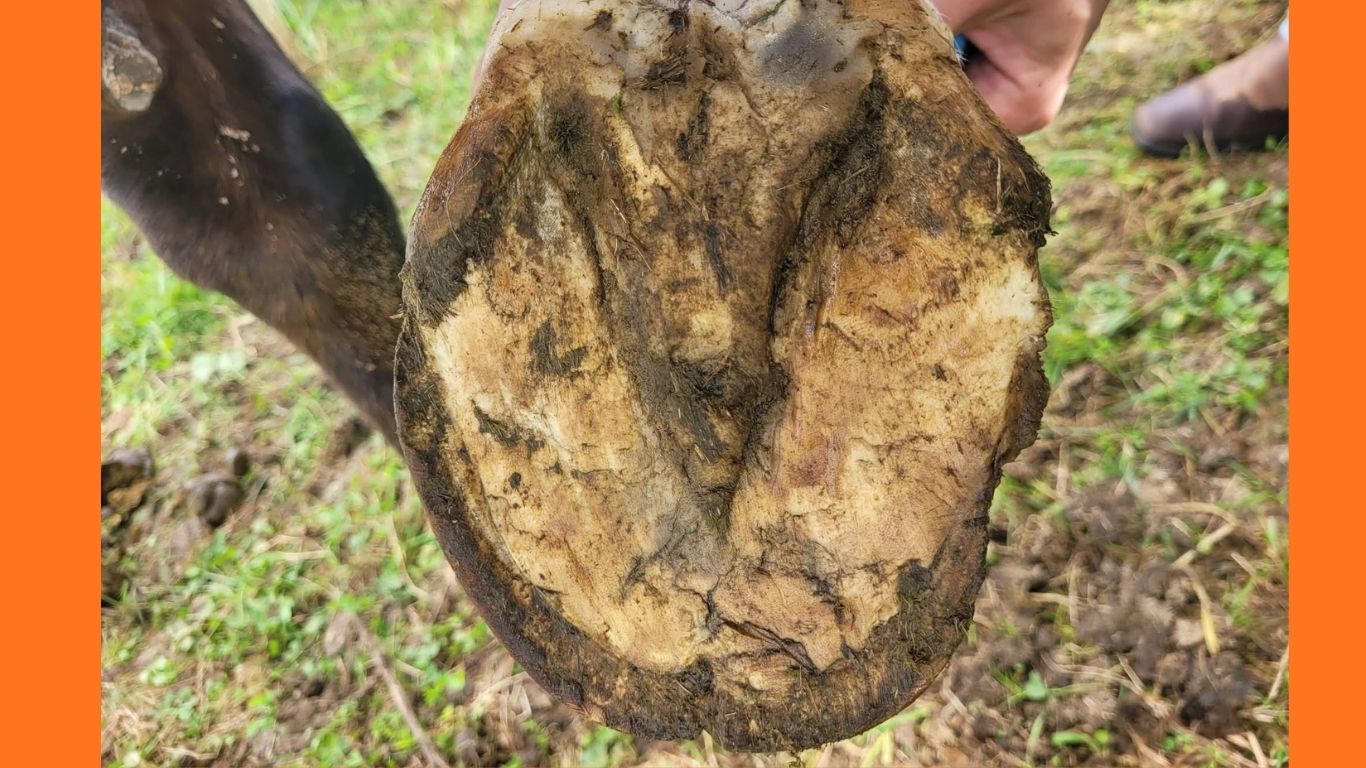
New Treatment for Laminitis in Horses
New treatment for laminitis in horses has changed how we manage this condition today. Laminitis is one of those conditions that can scare any horse owner. If you’ve ever seen a horse shifting weight, standing awkwardly, or refusing to move… you know how serious it feels.
In simple words, laminitis is inflammation inside the hoof. The laminae, which are the structures that hold the hoof wall to the bone, are affected. When things don’t go well, it can become very painful, and in bad cases, life-threatening.
But here’s the good news – treatment has improved a lot in recent years. There are some newer approaches and better ways to manage it early.
Let’s go step by step.
What Causes Laminitis (Quick Reminder)
Before we talk treatment, it helps to understand why it happens.
Common causes:
- Too much rich grass (especially spring pasture)
- Grain overload
- Obesity
- Hormonal issues (like insulin resistance)
- Stress or illness
- Poor hoof care
In my experience, many horse owners don’t notice the early signs. By the time the horse is lame, the damage has already started.
Early Signs You Should Not Ignore
Watch for these:
- Standing with front legs stretched forward
- Heat in the hooves
- Strong digital pulse
- Reluctance to walk
- Turning slowly or stiffly
Many horse owners notice “something feels off” before clear lameness. Trust that feeling.
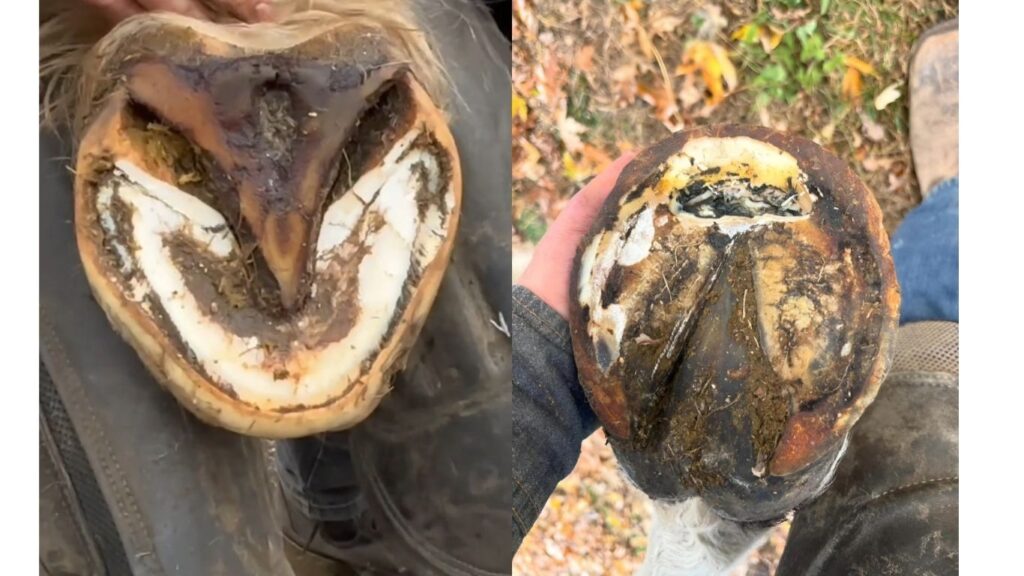
New Treatment for Laminitis in Horses (What’s Working Today)
Let’s talk about what’s actually helping horses today.
1. Cryotherapy (Cold Therapy)
This is one of the most effective parts of new treatment for laminitis in horses.
It means keeping the horse’s hooves in ice water continuously for hours or even days in early stages.
Why it works:
- Reduces inflammation
- Slows down tissue damage
- Helps prevent worsening
In many cases, starting ice therapy early can stop laminitis from becoming severe.
Simple method:
- Ice boots or buckets with ice water
- Keep temperature very low (close to 0–5°C)
Not always easy, but very effective if done early.
In my experience, using proper ice boots makes this much easier, especially if you need to keep the hoof cold for hours.
2. Modern Pain Management
Older methods relied heavily on basic painkillers. Now vets use a more balanced approach.
Common options:
- NSAIDs (like phenylbutazone)
- Combination therapies
- Controlled dosing to avoid side effects
The goal is not just pain relief… but also reducing inflammation safely.
Important:
Never overuse pain meds without vet guidance. It can hide symptoms and worsen the condition.
3. Corrective Hoof Support (Very Important)
Modern hoof care is a key part of new treatment for laminitis in horses. This is where farrier work has improved a lot.
New approaches include:
- Soft support pads
- Frog support systems
- Custom therapeutic shoes
- 3D-printed shoes (yes, this is becoming more common)
The idea is simple:
Take pressure off damaged areas and support the hoof correctly.
In my experience, a good farrier can make a huge difference. Sometimes more than medication.
Many horse owners now use soft hoof pads or therapeutic boots to give better support during recovery.
4. Stem Cell Therapy (New and Emerging)
This is still developing, but it’s promising.
Stem cells are used to:
- Repair damaged tissues
- Reduce inflammation
- Improve healing
It’s not widely available everywhere yet, and it can be expensive.
But in severe or chronic cases, some vets are already using it with good results.
5. Platelet-Rich Plasma (PRP Therapy)
Another newer treatment.
PRP uses the horse’s own blood:
- Platelets are concentrated
- Injected into affected areas
Benefits:
- Promotes healing
- Reduces inflammation
This is more common in sports horses now.
6. Laser Therapy
Low-level laser therapy is gaining attention.
It helps by:
- Increasing blood flow
- Reducing pain
- Supporting healing
It’s non-invasive and easy to apply.
Not a miracle cure, but a good supportive treatment.
7. Dietary Control (Now More Advanced)
Diet control is now considered a core part of new treatment for laminitis in horses. Feeding management has improved a lot.
Today, we focus on:
- Low sugar (low NSC diet)
- Controlled hay feeding
- Avoiding rich pasture
Many horse owners now use:
- Soaked hay (to reduce sugar)
- Special laminitis-safe feeds
In my experience, diet is one of the biggest long-term fixes.
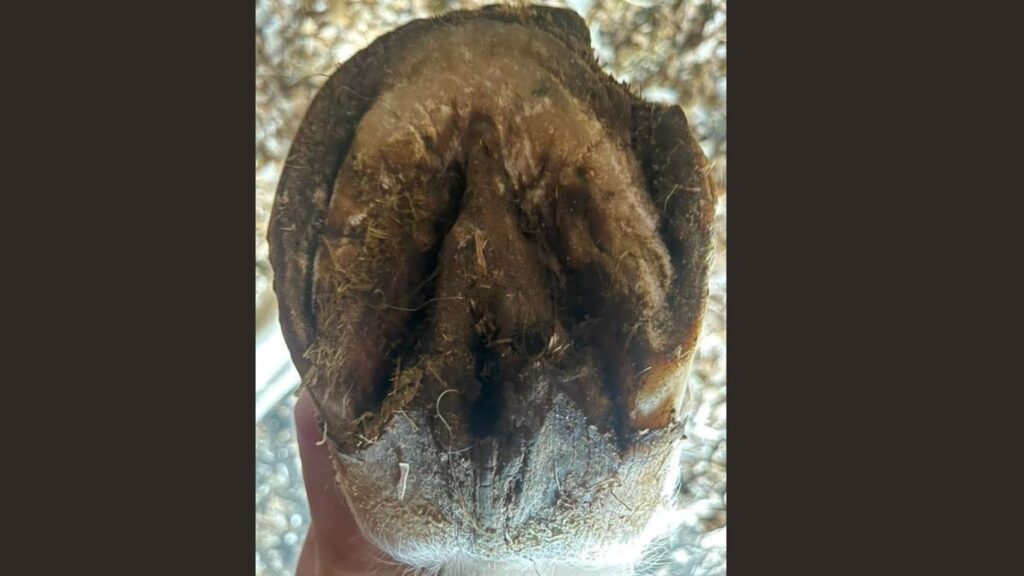
8. Managing Insulin Resistance
A lot of laminitis cases are linked to metabolic issues.
New approach:
Treat the root cause, not just the hoof.
This includes:
- Weight control
- Exercise (when safe)
- Medications if needed (like metformin in some cases)
If you ignore this part, laminitis often comes back.
9. Continuous Hoof Monitoring (New Tools)
Technology is slowly coming in.
Some advanced setups use:
- Hoof temperature sensors
- Pressure analysis systems
These help detect problems early.
Not common for every owner, but useful in high-value horses.
What You Should Do Immediately (Emergency Care)
If you suspect laminitis:
- Call your vet immediately
- Put the horse on soft bedding
- Limit movement
- Start cold therapy if possible
- Remove grain and rich feed
Early action can change everything.
Long-Term Management (This Matters Most)
Laminitis is not just a one-time issue. It needs ongoing care.
Focus on:
- Regular hoof trimming (every 4–6 weeks)
- Proper diet
- Weight control
- Limited pasture access
- Regular vet checks
Many horse owners notice that once managed properly, horses can live comfortably again.
Mistakes to Avoid
I’ve seen these mistakes happen often:
- Ignoring early signs
- Delaying vet care
- Feeding too much grass after recovery
- Poor hoof trimming schedule
- Overusing painkillers
Small mistakes can lead to big problems here.
Can Horses Fully Recover?
It depends.
Mild cases:
- Often recover well with proper care
Severe cases:
- Need long-term management
- Some may not return to full work
But many horses do improve a lot with the right treatment.
Best hoof supplement for laminitis
Hoof Supplements for Horses With Laminitis, while supplements cannot cure laminitis, they may help support hoof growth and improve hoof quality during recovery. Horses recovering from laminitis often need several months to grow healthy new hoof horn, making proper nutrition an important part of their overall management plan.
Many veterinarians and equine nutritionists recommend evaluating the horse’s entire diet before adding supplements. A balanced diet that provides adequate vitamins, minerals, amino acids, and healthy forage is often more beneficial than relying on supplements alone.
Laminitis supplements…. some nutrients commonly found in hoof supplements include:
- Biotin – Supports hoof horn growth and strength.
- Methionine – An essential amino acid involved in keratin production.
- Zinc – Plays a role in healthy hoof tissue formation.
- Copper – Supports connective tissue and hoof development.
- Omega-3 fatty acids – May help support normal inflammatory responses.
- Lysine – Important for protein synthesis and hoof growth.
When selecting a hoof supplement for a horse with laminitis, choose products specifically formulated for hoof health and avoid supplements that contain excessive sugars, starches, or unnecessary fillers. Horses with metabolic conditions such as equine metabolic syndrome may require additional dietary management to help reduce the risk of future laminitis episodes.
It’s also important to remember that supplements work best when combined with regular farrier care, appropriate weight management, veterinary guidance, and a low-sugar feeding program. Even the highest-quality hoof supplement cannot compensate for poor hoof trimming or uncontrolled metabolic issues.
Because hoof growth is slow, owners should expect several months of consistent nutrition and care before noticeable improvements appear. Patience and a long-term management plan are often key to helping horses recover from laminitis and maintain healthier hooves in the future.
Frequently Asked Questions:
1. is laminitis treatable
Yes, laminitis is treatable, but it really depends on how early you catch it and how consistent you are with care. In many mild cases, horses recover quite well and can return to normal life. I’ve seen horses improve a lot just with simple changes like better feeding and regular hoof care. The key is to act quickly. Once you notice signs like heat in the hooves or difficulty walking, early action can make a big difference. That said, laminitis is not something you fix once and forget. It needs ongoing management.
In more serious cases, recovery can take longer, and some damage may not fully reverse. Many horse owners notice that controlling diet, especially reducing sugar and rich grass, plays a huge role in keeping the condition under control. Working with a good farrier and vet also helps a lot. In my experience, the horses that do best are the ones where owners stay consistent every day. So yes, laminitis is treatable, but it’s more about long-term care and management than a one-time cure.
2.is laminitis in horses curable
Laminitis in horses is not always completely curable, but it can be managed very well in many cases. It depends on how early it is detected and how severe the damage is. In mild cases, horses often recover and live comfortably with the right care. I’ve seen horses return to normal routines after proper diet control and regular hoof trimming. The key is consistency. Laminitis usually has an underlying cause, like high sugar intake or metabolic issues, so managing those factors is important.
In more severe cases, some structural damage inside the hoof may remain, which means ongoing care is needed. Many horse owners notice that strict feeding, limited grazing, and good farrier support make a big difference. So while laminitis may not always be fully curable, it is definitely manageable, and with proper care, many horses can still live a healthy and comfortable life.
3.is there a cure for laminitis in horses
Laminitis in horses does not always have a complete cure, but it can be managed successfully in many cases. The outcome depends on how early the condition is noticed and how well it is handled. In mild cases, horses often recover and live comfortably with the right care. I’ve seen horses improve a lot with simple steps like feeding low-sugar hay, limiting grass, and keeping up with regular hoof trimming. The main focus is to control the underlying causes, such as diet and metabolic issues.
In more severe cases, some damage inside the hoof may remain, so long-term management is needed. Many horse owners notice that consistency makes the biggest difference over time. Working with a vet and a skilled farrier also helps improve results. So while laminitis may not always be fully curable, it is treatable, and many horses can still enjoy a healthy and comfortable life.
4. can laminitis in horses be cured
Laminitis in horses cannot always be completely cured, but it can be managed very well with proper care. In mild cases, horses often recover and live comfortably. I’ve seen horses improve a lot with simple changes like low-sugar feeding, limited grazing, and regular hoof trimming. The key is to address the root cause, such as diet or metabolic issues. In more serious cases, some damage may remain, so ongoing care is needed. Many horse owners notice that consistency makes the biggest difference. With new treatment for laminitis in horses, recovery chances have improved. With the right approach, most horses can stay comfortable and maintain a good quality of life.
5.Will Ultrasound Help Laminitis in Horses?
Ultrasound can be helpful in some laminitis cases, but it is not usually the primary diagnostic tool. Veterinarians often rely on hoof X-rays to evaluate bone rotation and assess the severity of laminitis. However, ultrasound may be used to examine soft tissues within the hoof and lower limb, helping veterinarians identify inflammation, tissue damage, or other complications. When combined with a physical examination and radiographs, ultrasound can provide additional information that supports a more accurate treatment plan for horses with laminitis.
In Short:-
Overall, new treatment for laminitis in horses focuses on early care and long-term management. Laminitis is serious, no doubt. But treatment has come a long way.
The biggest shift today is this:
- Early action
- Better hoof support
- Managing diet and metabolism
In my experience, the owners who stay consistent with care see the best results.
It’s not about one treatment. It’s about doing the small things right, every day.
YOU CAN ALSO READ THIS ARTICLES
Natural-treatment-for-laminitis-in-horses
Laminitis-in-horses-feeding-tips
10 Natural Ways to Treat Laminitis in Horses (Simple & Effective)






Leave a comment