

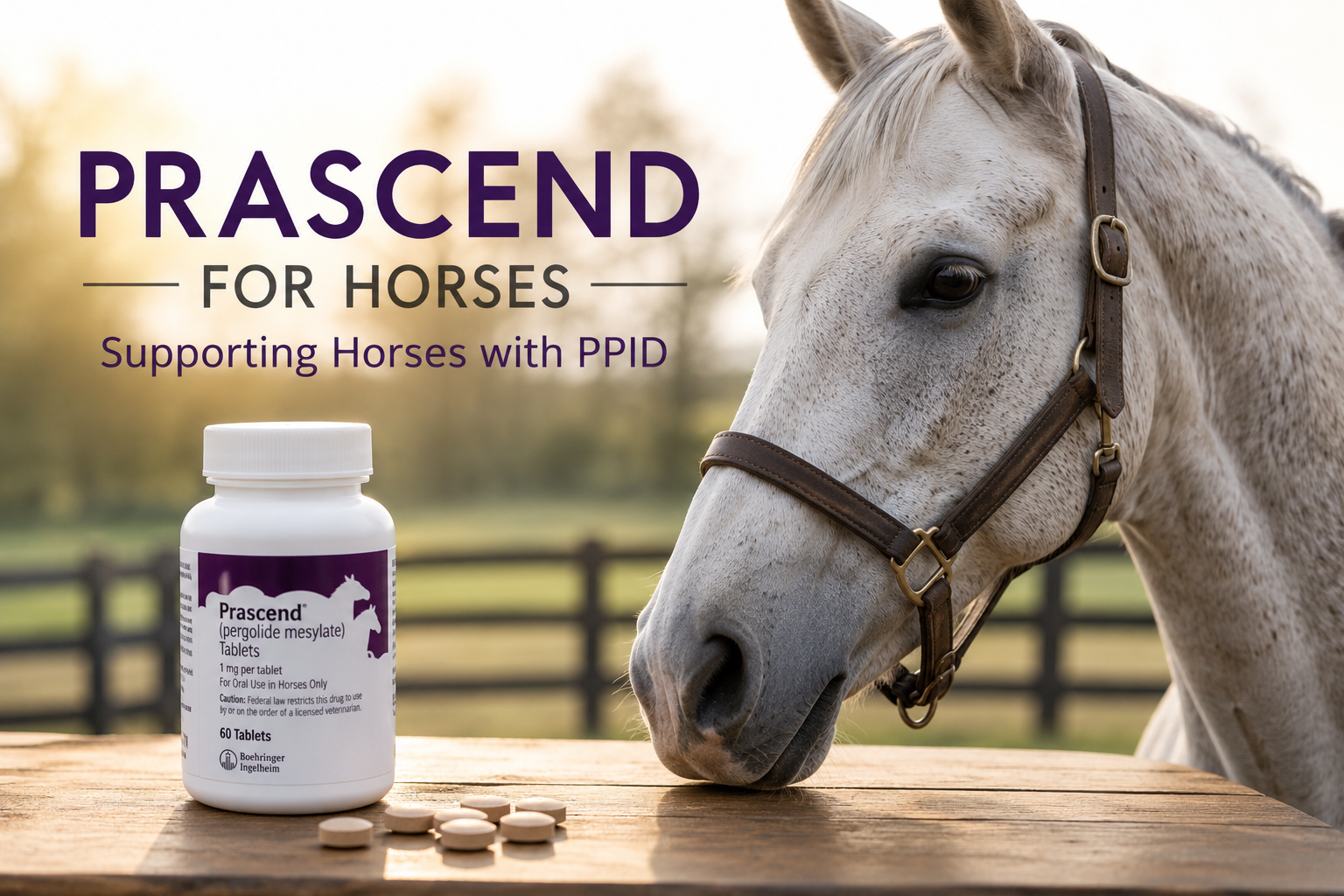
Prascend for Horses: Uses, Benefits, Dosage, Side Effects, and What Owners Should Know
If your veterinarian has prescribed Prascend for your horse, you likely have questions about how it works, what side effects to expect, and whether it can help improve your horse’s quality of life.
Prascend is the most commonly prescribed medication for horses diagnosed with Pituitary Pars Intermedia Dysfunction (PPID), often called equine Cushing’s disease. This condition is especially common in older horses and can affect everything from coat shedding and weight distribution to hoof health and laminitis risk.
Understanding how Prascend works can help horse owners manage PPID more effectively and support their horse’s long-term comfort and well-being.
What Is Prascend for Horses?
Prascend is a prescription medication that contains pergolide mesylate, a dopamine agonist used to treat PPID in horses.
PPID develops when part of the pituitary gland becomes overactive, causing abnormal hormone production. These hormonal changes can lead to a wide range of health problems, including:
- Delayed shedding of the winter coat
- Excessive hair growth
- Muscle loss
- Increased drinking and urination
- Lethargy
- Recurrent infections
- Weight changes
- Laminitis
Prascend helps regulate hormone production within the pituitary gland, reducing many of the symptoms associated with PPID.
Prascend Tablets for Horses
Prascend tablets for horses are the most common form of medication used to manage Pituitary Pars Intermedia Dysfunction (PPID), also known as equine Cushing’s disease. Each tablet contains pergolide mesylate, the active ingredient that helps regulate hormone production in the pituitary gland.
The tablets are designed for once-daily administration and can be given directly by mouth or mixed with a small amount of feed if recommended by your veterinarian. Because PPID is a lifelong condition in most horses, many owners find tablets convenient for long-term treatment.
When using Prascend tablets for horses, it is important to follow your veterinarian’s dosing instructions carefully. Consistent daily administration helps maintain stable hormone levels and improves the effectiveness of treatment. Owners should also monitor their horse’s appetite, body condition, and overall health while the medication is being used.
Why Is Prascend Prescribed?
Veterinarians prescribe Prascend to help control the progression of PPID and improve a horse’s overall health.
The medication does not cure PPID, but it can significantly reduce symptoms and improve quality of life when used consistently.
Many horses receiving Prascend show improvement in:
- Energy levels
- Hair coat appearance
- Muscle condition
- Drinking and urination habits
- Resistance to infections
- Laminitis management
For horses suffering from chronic or recurring laminitis linked to PPID, proper medical management can be an important part of the overall treatment plan.

How Does Prascend Work?
In healthy horses, dopamine helps regulate hormone production in the pituitary gland.
In horses with PPID, dopamine-producing neurons gradually deteriorate. As dopamine levels decline, the pituitary gland becomes overactive and releases excessive hormones.
Prascend mimics dopamine activity and helps restore hormonal balance. This reduces abnormal hormone secretion and helps control many of the clinical signs associated with PPID.
Because hormonal changes occur gradually, owners should understand that improvements may not be immediate.
How Long Does Prascend Take to Work?
The timeline varies between horses.
Some owners notice improvements within a few weeks, while others may not see significant changes for several months.
Common improvements often occur in stages:
First Few Weeks
- Reduced excessive drinking
- Increased alertness
- Improved attitude
One to Three Months
- Better energy levels
- Improved body condition
- Reduced sweating
Several Months
- Improved shedding patterns
- Healthier coat appearance
- Better overall metabolic control
Regular veterinary monitoring helps determine whether dosage adjustments are needed.
Prascend Dosage for Horses
The appropriate dosage depends on factors such as:
- Horse size
- Severity of PPID
- Blood test results
- Clinical signs
- Veterinary recommendations
Most horses begin treatment with a conservative dose that may be adjusted over time based on response and follow-up testing.
Owners should never change the dosage without consulting their veterinarian.
Consistency is important. Giving Prascend at approximately the same time each day helps maintain stable medication levels.
If a dose is missed, contact your veterinarian for guidance rather than doubling the next dose.
Common Prascend Side Effects in Horses
Like any medication, Prascend can cause side effects.
Fortunately, many horses tolerate treatment well once their bodies adjust to the medication.
Common side effects may include:
Reduced Appetite
Temporary appetite loss is one of the most frequently reported side effects.
Some horses may become less interested in feed during the first few weeks of treatment.
Mild Depression or Lethargy
A horse may appear quieter than usual when first starting Prascend.
This often improves as the horse adapts to the medication.
Weight Loss
Reduced appetite can sometimes contribute to mild weight loss.
Monitoring body condition during the adjustment period is important.
Digestive Upset
A small number of horses may experience mild digestive changes.
If symptoms become severe or persistent, veterinary advice should be sought immediately.
What Is the “Pergolide Veil”?
Horse owners sometimes hear veterinarians mention the “pergolide veil.”
This term describes a temporary period during which horses may seem:
- Less energetic
- Less interested in feed
- Slightly depressed
The condition often occurs shortly after starting treatment and typically resolves as the horse adapts to the medication.
Veterinarians may recommend dosage adjustments if symptoms become significant.
Can Prascend Help Horses With Laminitis?
Many horses diagnosed with PPID also struggle with laminitis.
Hormonal imbalances associated with PPID can increase the risk of developing painful hoof inflammation.
By helping regulate hormone levels, Prascend may reduce some of the underlying metabolic factors contributing to laminitis.
However, medication alone is rarely enough.
Successful management often includes:
- Proper hoof care
- Veterinary monitoring
- Appropriate trimming schedules
- Dietary management
- Weight control
- Controlled exercise when appropriate
Owners should view Prascend as one part of a comprehensive treatment plan rather than a standalone solution.
Managing a Horse on Prascend
Successful long-term treatment requires ongoing management.
Schedule Regular Veterinary Testing
Blood testing helps evaluate hormone levels and determine whether the dosage remains appropriate.
Monitor Body Condition
Watch for changes in:
- Weight
- Muscle development
- Appetite
- Coat quality
Maintain Proper Nutrition
Many PPID horses benefit from diets that are lower in sugar and starch.
A nutrition plan should be developed with veterinary guidance.
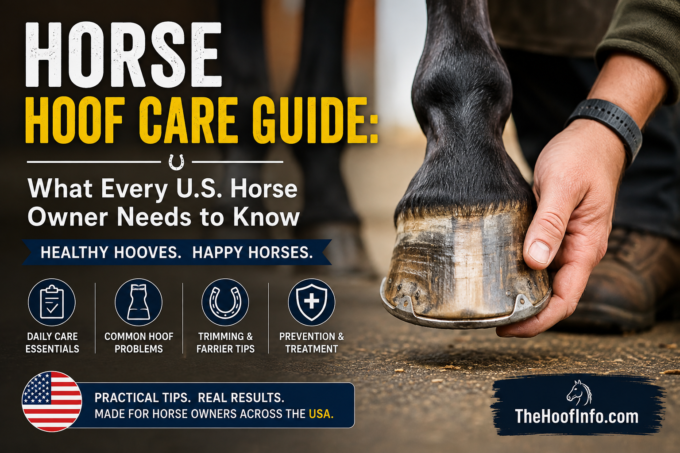
Prioritize Hoof Care
Because PPID horses may be more susceptible to laminitis, regular farrier visits are especially important.
Early detection of hoof changes can prevent more serious complications.
Track Changes
Keeping records of symptoms, weight, shedding patterns, and energy levels can help veterinarians evaluate treatment effectiveness.
Products That May Help Horses on Prascend
Managing PPID involves more than medication alone. Many horse owners use supportive products to help maintain hoof health, monitor body condition, and improve daily care.
Slow-Feed Hay Nets
Horses with PPID often benefit from controlled forage intake. Slow-feed hay nets can help reduce rapid consumption while keeping horses occupied throughout the day.
Benefits:
- Encourages natural grazing behavior
- Helps manage weight
- Reduces hay waste
- Supports dietary management
Grazing Muzzles
For horses prone to weight gain or laminitis, grazing muzzles can help limit grass intake while still allowing turnout and social interaction.
Benefits:
- Controls pasture consumption
- Supports healthy weight management
- May help reduce laminitis risk
Hoof Supplements
Many PPID horses require additional hoof support, especially if they have a history of laminitis. Quality hoof supplements containing biotin, methionine, zinc, and copper may support healthy hoof growth.
Benefits:
- Supports hoof strength
- Encourages healthy hoof horn production
- Complements regular farrier care
Digital Horse Scales and Weight Tapes
Monitoring weight changes is important for horses with metabolic disorders. Weight tapes provide an affordable way to track changes between veterinary visits.
Benefits:
- Helps monitor body condition
- Supports feeding adjustments
- Useful for long-term PPID management
Therapeutic Hoof Boots
Horses recovering from laminitis may benefit from supportive hoof boots recommended by a veterinarian or farrier.
Benefits:
- Provides cushioning
- Improves comfort on hard ground
- Supports recovery from hoof pain
Low-Sugar Treats for Horses
Many traditional treats contain high sugar levels. Low-sugar alternatives can be a better choice for horses with PPID and metabolic concerns.
Benefits:
- More suitable for PPID horses
- Supports dietary management
- Allows owners to reward horses safely
Recommended Products for Horses With PPID
- Slow-feed hay net
- Grazing muzzle
- Hoof supplement with biotin
- Weight tape for horses
- Therapeutic hoof boots
- Low-sugar horse treats
- Hoof pick and grooming kit
- Feed storage container
- Automatic water bucket
- Stable health monitoring journal
Frequently Asked Questions About Prascend for Horses
Does Prascend cure PPID in horses?
No. Prascend does not cure PPID, but it helps manage the condition and reduce symptoms.
Can horses stay on Prascend for life?
Yes. Many horses remain on Prascend for the rest of their lives under veterinary supervision.
What should I do if my horse stops eating after starting Prascend?
Contact your veterinarian. Temporary appetite loss can occur, but significant reductions in feed intake should be evaluated promptly.
Is Prascend safe for older horses?
Prascend is commonly prescribed for senior horses and is generally considered safe when used according to veterinary instructions.
Can a horse with PPID live a normal life?
Many horses with well-managed PPID continue to live active, comfortable lives for years after diagnosis.
In short:-
Prascend has become the standard treatment for horses with PPID because it helps manage the hormonal imbalances responsible for many of the disease’s symptoms. While it is not a cure, consistent treatment can improve comfort, energy levels, coat quality, and overall health.
For horses at risk of laminitis, proper medical management combined with sound hoof care, nutrition, and veterinary monitoring can make a significant difference. The earlier PPID is identified and treated, the better the chances of maintaining long-term health and quality of life.







Leave a comment