

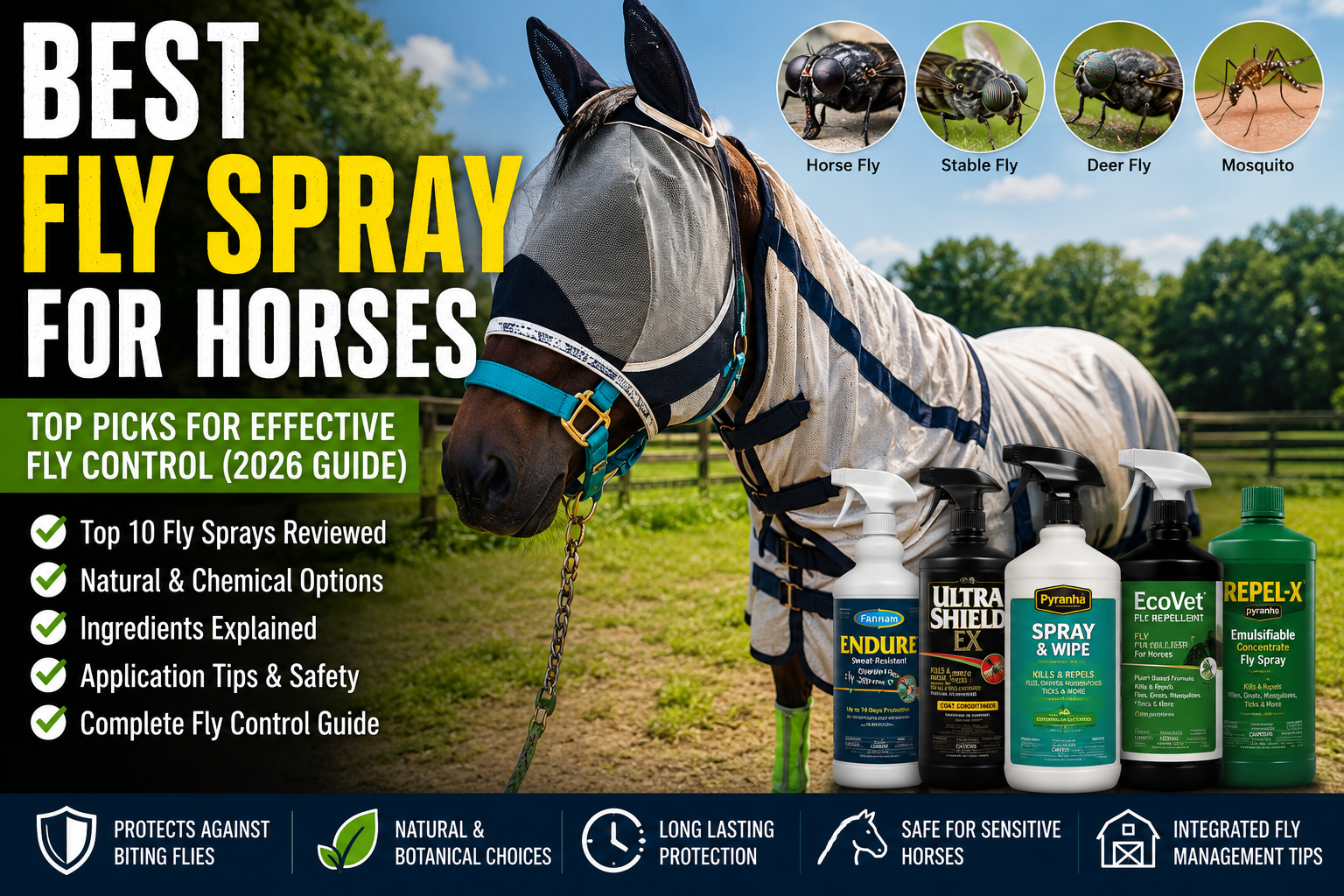
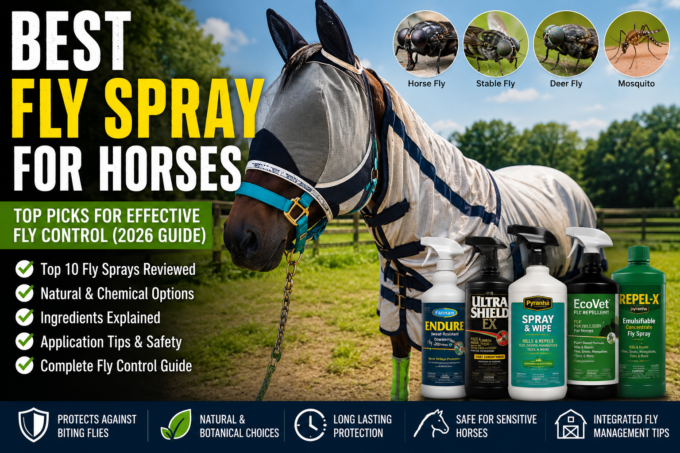
What is the best fly spray for horses in 2026?: Top 10 Picks for Every Budget
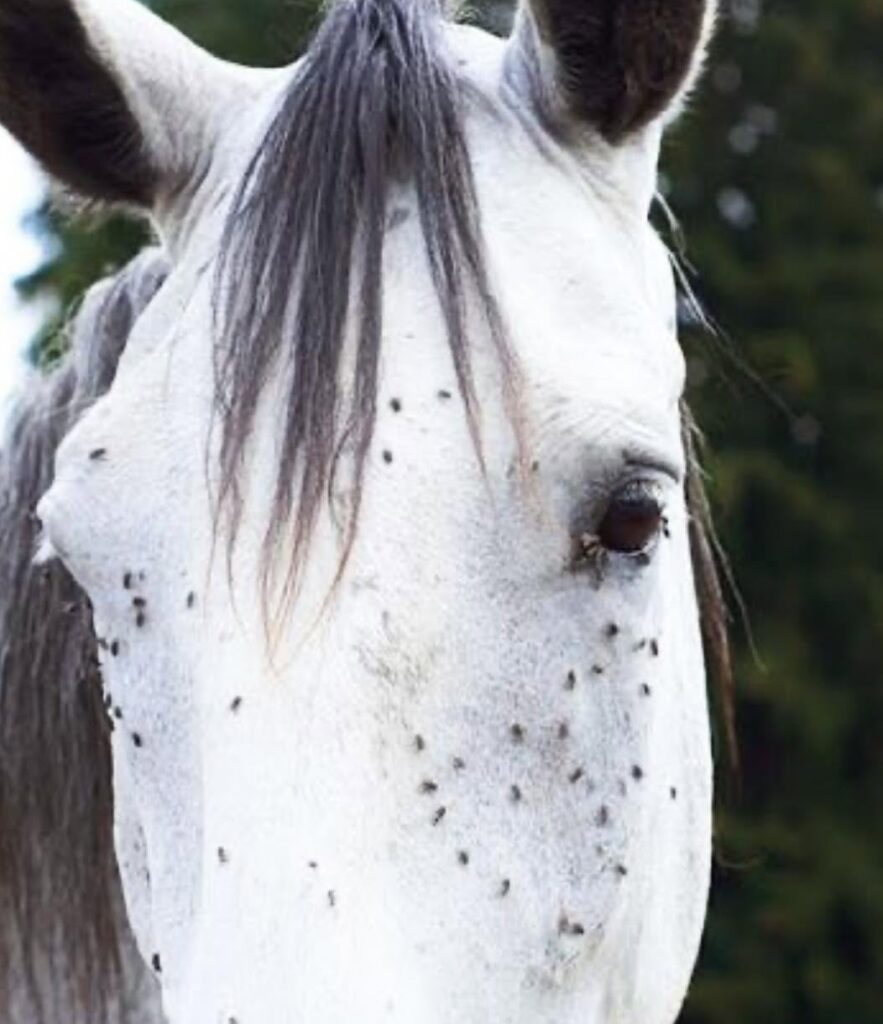
Summer should be one of the best times to enjoy riding, turnout, and trail adventures with your horse. Unfortunately, it’s also peak fly season. Biting flies, mosquitoes, gnats, and horse flies can make horses restless, uncomfortable, and even increase the risk of skin irritation and infections.
The right fly spray does more than keep insects away-it helps your horse stay comfortable, reduces stress, and supports overall health during the warm months.
After reviewing popular products, comparing active ingredients, and considering what works for different environments, we’ve selected the best fly sprays for a variety of situations. Whether you’re looking for a long-lasting formula, a natural alternative, or a budget-friendly option, this guide will help you choose with confidence.
Our Experience & Review Process:-
With more than 20 years of experience researching hoof care and farrier practices, we’ve seen how persistent flies affect horses beyond simple irritation. Constant stomping, tail swishing, and pacing caused by flies can contribute to lost shoes, chipped hooves, and unnecessary stress, especially during the summer.
For this guide, we evaluated products based on:
- Active ingredients
- Duration of protection
- Ease of application
- Safety around sensitive horses
- Value for money
- Feedback from horse owners
- Manufacturer guidance
Every recommendation is intended to help horse owners make informed purchasing decisions rather than simply choosing the most expensive product.
Quick Comparison: Best Fly Sprays for Horses
| Product | Best For | Protection | Natural | Rating |
|---|---|---|---|---|
| Farnam Endure | Overall Performance | Up to 14 days* | No | ⭐⭐⭐⭐⭐ |
| Absorbine UltraShield EX | Heavy Fly Pressure | Long-lasting | No | ⭐⭐⭐⭐⭐ |
| Pyranha Spray & Wipe | Everyday Use | Excellent | No | ⭐⭐⭐⭐⭐ |
| EcoVet Fly Spray | Sensitive Horses | Excellent | Botanical | ⭐⭐⭐⭐☆ |
| Eqyss Marigold Spray | Gentle Daily Use | Moderate | Mostly Natural | ⭐⭐⭐⭐☆ |
| Farnam Repel-X | Budget Choice | Good | No | ⭐⭐⭐⭐☆ |
| UltraShield Green | Natural Formula | Moderate | Yes | ⭐⭐⭐⭐☆ |
| Carr & Day & Martin Flygard | Pleasant Scent | Good | Botanical | ⭐⭐⭐⭐☆ |
| Leovet Power Phaser | Premium Protection | Excellent | No | ⭐⭐⭐⭐⭐ |
| Manna Pro Pro-Force | Outdoor Horses | Long-lasting | No | ⭐⭐⭐⭐☆ |
Actual protection varies depending on weather, sweating, rain, bathing, and insect pressure.
Why Every Horse Needs Fly Spray
Many horse owners think fly spray is simply about comfort. In reality, it plays an important role in protecting your horse’s health and well-being.
Flies can:
- Cause painful bites
- Trigger allergic skin reactions
- Spread bacteria
- Irritate the eyes
- Increase stress
- Disrupt grazing
- Reduce performance
- Cause excessive stamping that may strain hooves and joints
Some horses become noticeably anxious during heavy fly season. They may refuse to stand quietly, constantly swish their tails, or spend more time trying to escape insects than eating or resting.
Regular fly protection helps horses stay calmer and more comfortable throughout the day.
Different Flies Affect Horses in Different Ways
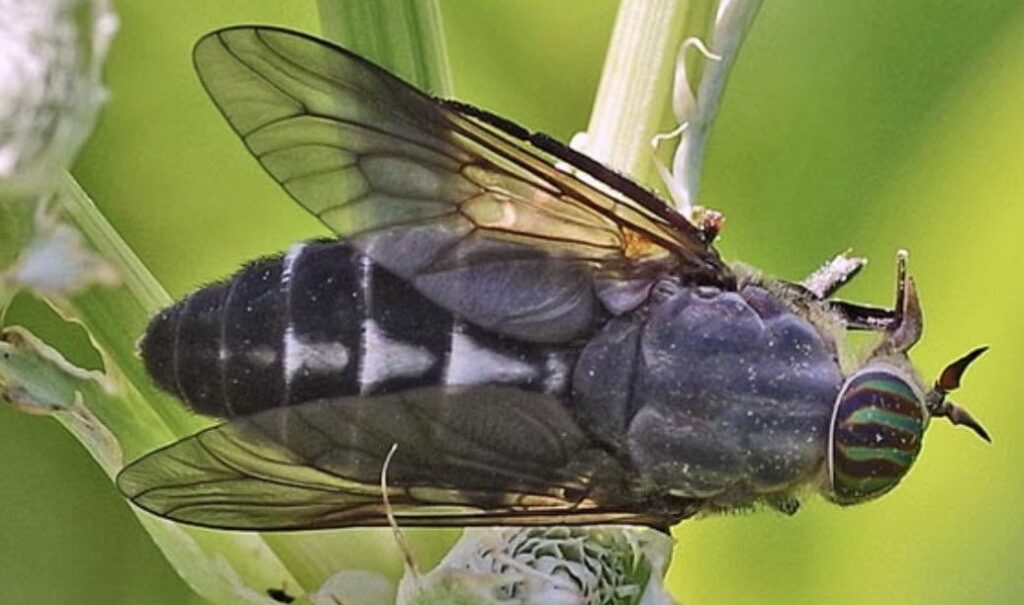
Not all flies are equally harmful. Knowing which insects you’re dealing with helps you choose the most effective fly spray.
Horse Flies
Horse flies are large, aggressive biters with painful mouthparts. Their bites often leave horses bleeding or swollen and can make riding difficult.
Stable Flies
Stable flies usually bite around the legs and lower body. Horses often stomp repeatedly to drive them away.
House Flies
Although they don’t bite, house flies spread bacteria and gather around the eyes, nose, and wounds.
Horn Flies
These tiny flies remain on the horse for extended periods and cause constant irritation.
Gnats
Gnats are especially troublesome around the ears and eyes and can trigger hypersensitivity in some horses.
Mosquitoes
Mosquitoes are more than just annoying-they can transmit diseases in some regions and contribute to skin irritation.
How Fly Sprays Actually Work
One common misconception is that every fly spray kills insects.
In reality, fly sprays generally work in one or more of these ways:
Repellents
Repellent ingredients create a scent or chemical barrier that discourages flies from landing.
Common repellents include:
- Citronella
- Geraniol
- Peppermint oil
- Lemongrass oil
- Cedarwood oil
These are popular in natural fly sprays.
Insecticides
Some sprays kill flies after contact.
Common active ingredients include:
- Permethrin
- Pyrethrins
- Cypermethrin
These formulas generally provide longer-lasting protection but should always be used according to the label directions.
Dual-Action Products
Many premium fly sprays combine repellents with insecticides to both discourage and eliminate insects.
This combination often offers the most effective protection during peak fly season.
How We Chose the Best Fly Sprays
Not every product on the market deserves a recommendation.
We compared products using several practical criteria:
- Effectiveness against multiple fly species
- Longevity between applications
- Ingredient safety
- Ease of spraying
- Skin sensitivity reports
- Weather resistance
- Price compared with performance
- Availability in the U.S.
- Overall value
Our goal wasn’t to recommend the most expensive products but the ones that consistently deliver reliable results for horse owners.
Best Fly Spray for Horses Overall
1. Farnam Endure Fly Spray
Best Overall Choice
Pros
✔ Long-lasting protection
✔ Sweat-resistant formula
✔ Effective against multiple insects
✔ Suitable for horses that spend long hours outdoors
✔ Easy trigger application
Cons
- Premium price
- Strong chemical odor for some users
Why We Recommend It
If you’re looking for one product that performs well in a variety of conditions, Farnam Endure stands out. Its sweat-resistant formula helps maintain protection during turnout, trail riding, and hot summer days.
It’s particularly useful for horses that are exposed to heavy insect pressure for extended periods.
Best For: All-around fly protection.
Overall Ratings
| Category | Rating |
|---|---|
| Fly Protection | ⭐⭐⭐⭐☆ (4.5/5) |
| Longevity | ⭐⭐⭐⭐☆ (4.0/5) |
| Ease of Use | ⭐⭐⭐⭐⭐ (5.0/5) |
| Sensitive Skin | ⭐⭐⭐⭐⭐ (5.0/5) |
| Value for Money | ⭐⭐⭐⭐☆ (4.3/5) |
| Overall | ⭐⭐⭐⭐☆ (4.6/5) |
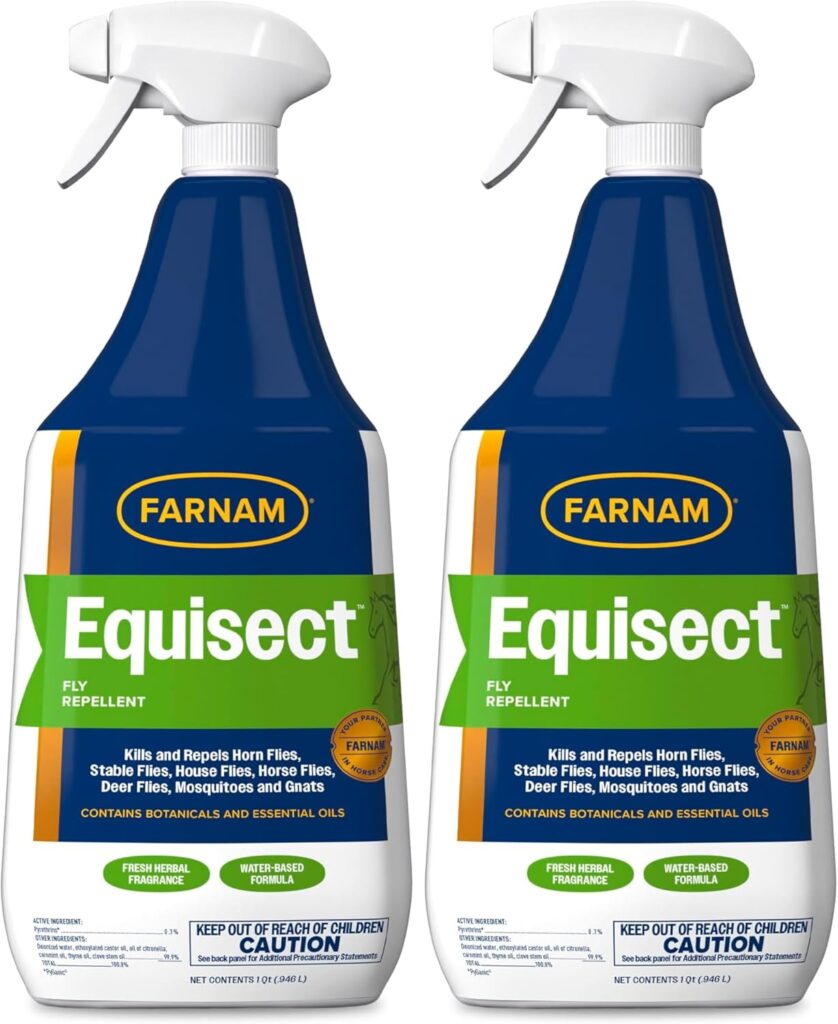
If your goal is effective daily fly control with a botanical formula that’s gentle on most horses, Farnam Equisect is a strong choice. For regions with exceptionally heavy fly pressure, consider pairing it with physical fly protection such as a fly mask and fly sheet, or choose a longer-lasting insecticide-based spray if appropriate for your horse and management system.
2. Absorbine UltraShield EX
Best for Heavy Fly Pressure
Absorbine UltraShield EX is one of the most popular fly sprays among horse owners who deal with severe insect problems. Its broad-spectrum formula is designed to repel or kill flies, mosquitoes, ticks, and gnats while providing extended protection during turnout.
If your horse spends long hours outside in humid conditions or wooded areas, this product is often one of the strongest choices.
Pros
✔ Protects against multiple insect species
✔ Long-lasting formula
✔ Sweat-resistant
✔ Suitable for turnout horses
✔ Available in ready-to-use and refill sizes
Cons
- Strong scent
- Higher price than basic fly sprays
- Not ideal for owners looking for an all-natural product
Best For
- Horses on pasture
- Summer competitions
- Riding trails
- High fly populations
Our Experience
In our experience, horses that spend all day in open pastures usually need a stronger formula than horses kept primarily in stalls. Products like UltraShield EX perform best when combined with good stable management and regular manure removal.
3. Pyranha Spray & Wipe
Overview
Pyranha Spray & Wipe has earned a loyal following because it provides reliable daily protection without feeling greasy or sticky.
Many riders use it before trail rides or training sessions because it dries quickly and leaves the coat looking clean.
Pros
✔ Easy daily application
✔ Pleasant scent
✔ Good coat shine
✔ Effective against flies and mosquitoes
✔ Widely available
Cons
- Requires more frequent application during heavy fly season
- Less effective after heavy rain
Best For
- Daily riding
- Pleasure horses
- Light to moderate fly pressure
4. EcoVet Fly Spray
Many owners prefer botanical products over traditional insecticides.
EcoVet uses plant-derived ingredients that repel insects differently than conventional sprays.
Pros
✔ Botanical formula
✔ No pyrethrins
✔ Excellent for owners wanting fewer synthetic chemicals
✔ Effective against house flies and mosquitoes
Cons
- Higher price
- Some horses dislike the smell
- Requires proper application for best performance
Best For
- Horses with sensitive skin
- Owners seeking botanical alternatives
- Barns limiting conventional insecticides
5. Eqyss Premier Marigold Spray
Best for Sensitive Horses
Some horses react to stronger chemical fly sprays with dry skin or irritation.
Eqyss Premier Marigold Spray offers a gentler option for horses needing regular grooming and light fly protection.
Pros
✔ Gentle ingredients
✔ Pleasant fragrance
✔ Adds coat shine
✔ Suitable for frequent use
Cons
- Not designed for severe fly infestations
- Shorter protection time
Best For
- Sensitive horses
- Show horses
- Daily grooming
6. Farnam Repel-X
Best Budget Fly Spray
Horse owners with multiple horses often need a cost-effective solution.
Repel-X offers dependable protection at a reasonable price.
Pros
✔ Affordable
✔ Available in concentrates
✔ Easy to find
✔ Good value
Cons
- Shorter protection than premium sprays
- May require daily application
Best For
- Large barns
- Budget-conscious owners
- Everyday use
7. UltraShield Green
Best Eco-Friendly Choice
UltraShield Green combines botanical oils with fly protection designed for owners who prefer a more environmentally conscious option.
Pros
✔ Botanical ingredients
✔ Pleasant scent
✔ No harsh chemical smell
✔ Suitable for frequent application
Cons
- Doesn’t last as long as insecticide-based sprays
- Less effective during extremely heavy fly pressure
8. Carr & Day & Martin Flygard
Best Pleasant-Smelling Spray
This spray has become popular among owners wanting reliable protection without the strong chemical odor common in many fly repellents.
Pros
✔ Fresh scent
✔ Easy spray nozzle
✔ Good everyday protection
✔ Suitable for regular riding
Cons
- Needs reapplication during hot weather
9. Leovet Power Phaser
Best Premium Fly Spray
If price isn’t your biggest concern, Leovet Power Phaser is one of the strongest premium options available.
Many riders appreciate its extended protection during competitions and long trail rides.
Pros
✔ Very long-lasting
✔ Water resistant
✔ Excellent insect control
✔ Premium quality
Cons
- Expensive
- Limited availability in some areas
Best For
- Competition horses
- Endurance riders
- Horses spending all day outdoors
10. Manna Pro Pro-Force
Best for Outdoor Horses
Designed for horses exposed to heavy insect populations, Pro-Force offers dependable protection in warm climates.
Pros
✔ Strong insect control
✔ Long-lasting
✔ Good value
✔ Works well in humid environments
Cons
- Chemical odor
- Avoid over-application
Which Fly Spray Is Right for Your Horse?
Choosing the best product depends on your horse’s environment, workload, and skin sensitivity rather than simply buying the most expensive bottle.
| Situation | Recommended Type |
|---|---|
| Heavy fly populations | UltraShield EX or Leovet Power Phaser |
| Daily riding | Pyranha Spray & Wipe |
| Sensitive skin | Eqyss Marigold or EcoVet |
| Natural preference | EcoVet or UltraShield Green |
| Budget-friendly | Farnam Repel-X |
| Long turnout | Farnam Endure |
| Competition horses | Leovet Power Phaser |
| Multiple horses | Farnam Repel-X Concentrate |
Expert Tip:
Over the years, we’ve found that no fly spray performs well if it’s used as the only fly-control measure. The best results come from combining a quality fly spray with clean stalls, regular manure removal, fresh bedding, proper drainage, fly masks, and fly sheets. This integrated approach reduces insect pressure and helps your chosen spray last longer.
Include icons for:
- Long-lasting protection
- Natural ingredients
- Sensitive skin
- Budget option
- Premium choice
- Heavy fly pressure
Understanding Fly Sprays: Ingredients, Effectiveness, and How to Choose the Right One
Show a horse with arrows illustrating:
- Repels flies before they land
- Kills insects on contact (some formulas)
- Protects against mosquitoes
- Reduces biting flies
- Helps prevent skin irritation
How Do Fly Sprays Work?
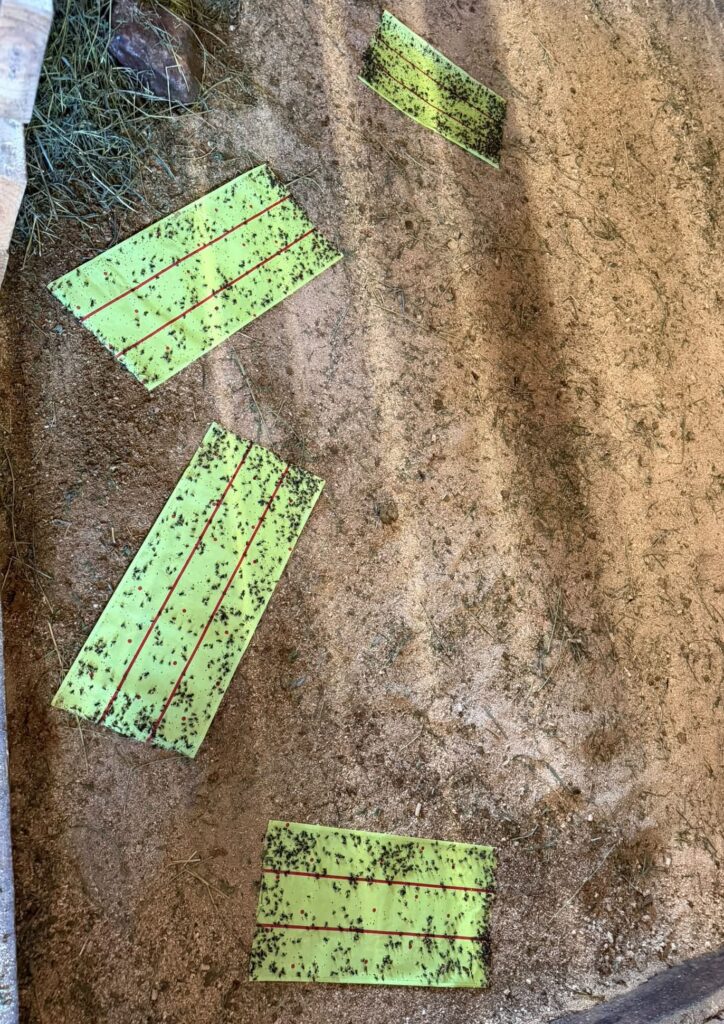
Many horse owners assume every fly spray works the same way. In reality, products use different ingredients and methods to protect your horse.
Most fly sprays fall into one of three categories:
1. Repellent Fly Sprays
Repellents discourage insects from landing on your horse. They don’t necessarily kill flies—they make your horse less attractive to them.
These sprays often contain:
- Citronella oil
- Lemongrass oil
- Cedarwood oil
- Geraniol
- Peppermint oil
- Eucalyptus oil
Best for:
- Light fly pressure
- Daily grooming
- Sensitive horses
- Owners who prefer botanical products
2. Insecticide Fly Sprays
These products kill insects after contact.
Common active ingredients include:
- Permethrin
- Pyrethrins
- Cypermethrin
They generally last longer than natural sprays and provide stronger protection during peak fly season.
Best for:
- Heavy fly infestations
- Outdoor horses
- Summer turnout
- Trail riding
- Endurance riding
3. Dual-Action Fly Sprays
Premium products combine repellents with insecticides.
These formulas both discourage flies from landing and eliminate insects that make contact.
For many horse owners, dual-action sprays offer the best balance of performance and convenience.
Understanding Active Ingredients
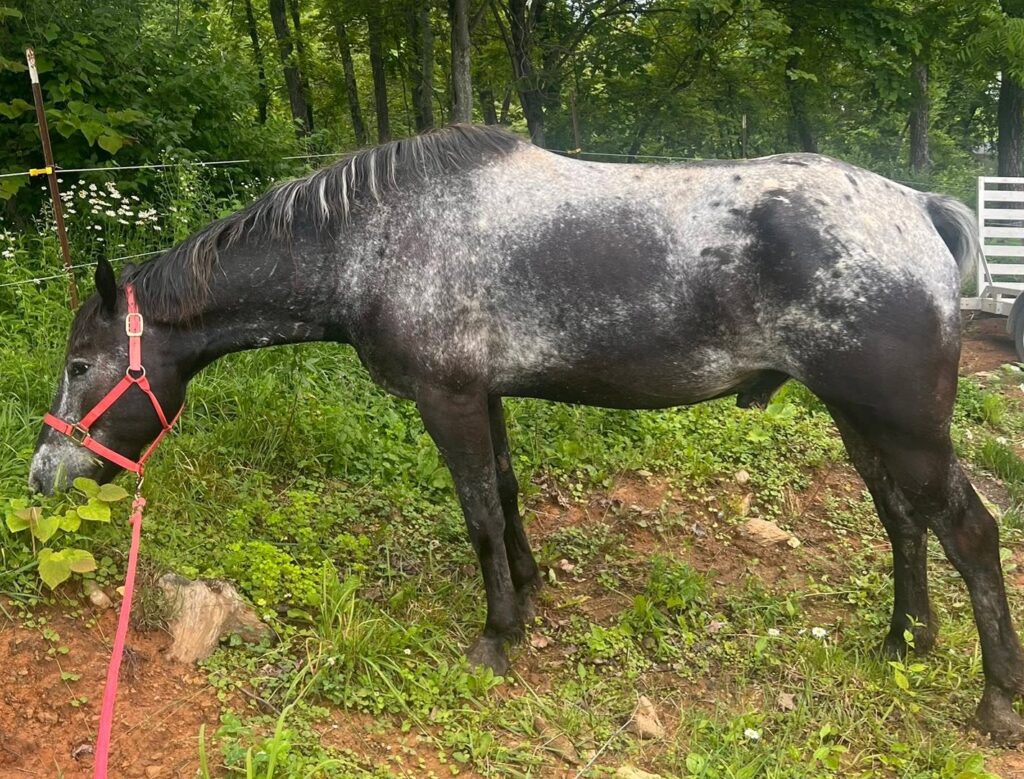
One of the biggest mistakes horse owners make is choosing a fly spray based only on the brand name. The active ingredients often determine how well a product performs.
| Ingredient | Purpose | Best For |
|---|---|---|
| Permethrin | Kills insects | Heavy fly pressure |
| Pyrethrins | Fast knockdown | General fly control |
| Cypermethrin | Long-lasting insect control | Outdoor horses |
| Citronella | Natural repellent | Everyday use |
| Geraniol | Botanical repellent | Sensitive horses |
| Peppermint Oil | Repels insects | Mild fly pressure |
| Cedarwood Oil | Natural protection | Horses sensitive to chemicals |
| Lemongrass Oil | Botanical repellent | Daily grooming |
Which Ingredient Is Best?
There isn’t a single “best” ingredient for every horse.
For example:
- A horse living in a humid pasture with heavy fly pressure may benefit from a permethrin-based product.
- A lightly used horse with sensitive skin may do well with a botanical spray.
Choosing the right ingredient depends on your horse’s needs, your environment, and how often you can reapply the product.
Natural vs. Chemical Fly Sprays
This is one of the most common questions horse owners ask.
Natural Fly Sprays
Advantages
✔ Pleasant smell
✔ Gentle on skin
✔ Lower risk of irritation
✔ Good for everyday use
✔ Often contain plant-based ingredients
Disadvantages
- Usually require more frequent application
- May be less effective during severe fly outbreaks
- Performance can vary between products
Chemical Fly Sprays
Advantages
✔ Longer-lasting protection
✔ Effective during heavy fly season
✔ Better performance against biting flies
✔ Ideal for horses spending long hours outdoors
Disadvantages
- Stronger odor
- Some horses may have sensitive reactions
- Labels must be followed carefully
Which Should You Choose?
| If Your Horse… | Consider |
|---|---|
| Has sensitive skin | Natural or botanical spray |
| Lives outdoors all day | Long-lasting chemical formula |
| Competes regularly | Sweat-resistant spray |
| Has mild fly problems | Botanical repellent |
| Experiences severe fly pressure | Premium insecticide-based spray |
What Type of Flies Does Your Horse Need Protection From?
Different flies behave differently, and some are much more harmful than others.
Understanding which insects are bothering your horse helps you choose the right fly control strategy.
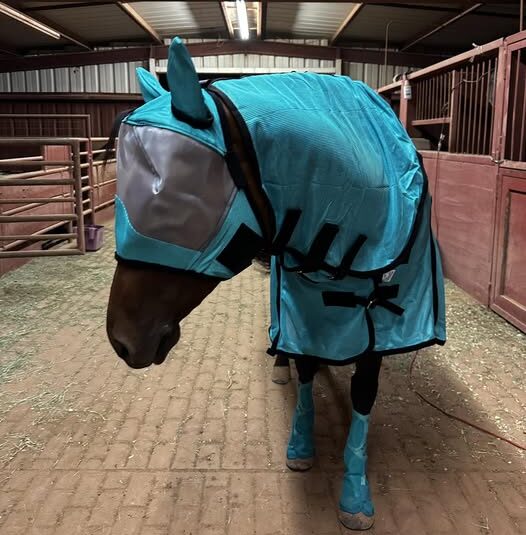
Horse Flies
Horse flies are among the largest biting flies.
Their painful bites can:
- Cause bleeding
- Trigger swelling
- Lead to skin irritation
- Make horses anxious during riding
Stable Flies
Stable flies prefer to bite:
- Lower legs
- Belly
- Chest
If you’ve ever seen a horse constantly stomping its feet during summer, stable flies are often the reason.
As a farrier, excessive stomping is something I pay attention to. Repeated striking of the ground can loosen horseshoes, increase wear on barefoot hooves, and make trimming appointments more challenging if the horse is uncomfortable.
House Flies
House flies don’t bite, but they can still create problems by:
- Gathering around the eyes
- Feeding on secretions
- Contaminating feed
- Irritating wounds
Good stable hygiene is just as important as fly spray for controlling these pests.
Mosquitoes
Mosquitoes are more than a nuisance.
In some regions, they can transmit diseases and cause allergic skin reactions.
Reducing standing water around the barn helps lower mosquito numbers.
Gnats and Midges
Tiny biting insects can trigger intense itching in sensitive horses.
Some horses develop sweet itch, a seasonal allergic reaction caused by bites from certain midges.
For these horses, fly spray should be part of a broader management plan that includes fly sheets, masks, and turnout adjustments.
Choosing the Best Fly Spray Based on Your Horse’s Needs
Rather than asking, “What’s the best fly spray?” ask, “What’s the best fly spray for my horse?”
For Horses With Sensitive Skin
Look for:
- Botanical ingredients
- Alcohol-free formulas
- Added conditioners
- Mild fragrances
For Horses That Sweat Heavily
Choose:
- Sweat-resistant products
- Long-lasting protection
- Water-resistant formulas
For Trail Riding
Prioritize:
- Quick-drying sprays
- Broad-spectrum insect protection
- Compact bottles for easy transport
For Horses Living on Pasture
Pasture horses are exposed to insects for much longer than stalled horses.
Choose products that provide:
- Extended protection
- Water resistance
- Broad coverage against multiple insect species
For Show Horses
Show horses often benefit from sprays that:
- Leave the coat looking shiny
- Don’t attract dust
- Dry without residue
- Have a pleasant scent
Common Mistakes When Using Fly Spray
Even the highest-rated fly spray won’t work well if it’s used incorrectly.
1. Applying Too Little
A light mist may not provide adequate coverage.
Always apply enough product to cover the areas recommended on the label while avoiding the eyes, nostrils, and mouth.
2. Forgetting the Legs
Stable flies commonly target the lower legs.
Many owners spray the body thoroughly but overlook the legs, where flies often concentrate.
3. Spraying a Dirty Horse
Mud, sweat, and dust can reduce the effectiveness of fly spray.
Whenever possible, groom your horse before application.
4. Ignoring Stable Hygiene
No fly spray can compensate for:
- Manure buildup
- Standing water
- Wet bedding
- Overflowing feed
- Poor drainage
Reducing breeding sites is one of the most effective ways to lower fly populations.
5. Expecting One Application to Last All Week
Heat, rain, heavy sweating, and bathing all reduce how long a fly spray remains effective.
Reapply according to the product instructions and your horse’s conditions.
In my opinion:-
Over the years, one pattern has stood out: horses living in clean, well-managed environments often require less frequent fly spray than horses kept around unmanaged manure piles or standing water. Fly control works best when it’s part of an overall barn management routine, not just a single product applied every few days.
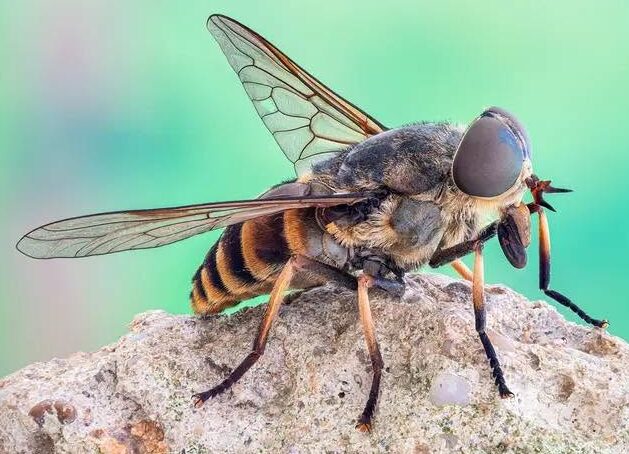
Include simple icons showing:
- Dirty horse
- Missed legs
- Too little spray
- Manure pile
- Rain washing off spray
Homemade Fly Spray for Horses: Does It Really Work?
Many horse owners look for homemade fly sprays to reduce costs or avoid synthetic chemicals. While some DIY recipes can provide short-term relief, they generally don’t last as long or offer the broad protection of commercial products.
A Simple Homemade Fly Spray Recipe
Ingredients
- 2 cups apple cider vinegar
- 2 cups water
- 1 tablespoon citronella oil
- 1 teaspoon eucalyptus oil
- 1 teaspoon peppermint oil
- 1 teaspoon cedarwood oil
- A few drops of mild dish soap (optional, to help mix oils)
Shake well before each use.
Pros
✔ Affordable
✔ Easy to make
✔ Pleasant smell
✔ Natural ingredients
Cons
- Short protection time
- Must be applied frequently
- Performance varies by weather
- Essential oils may irritate sensitive horses if not properly diluted
Important: Always perform a small patch test before applying any homemade mixture over your horse’s body. Never spray directly into the eyes, nostrils, ears, or mouth.
Homemade vs. Commercial Fly Spray
| Feature | Homemade | Commercial |
|---|---|---|
| Cost | ⭐⭐⭐⭐⭐ | ⭐⭐⭐☆☆ |
| Long-lasting | ⭐⭐☆☆☆ | ⭐⭐⭐⭐⭐ |
| Scientifically Tested | ❌ | ✅ |
| Broad Insect Protection | ⭐⭐☆☆☆ | ⭐⭐⭐⭐⭐ |
| Easy to Make | ⭐⭐⭐⭐☆ | Ready to Use |
| Consistent Results | ⭐⭐☆☆☆ | ⭐⭐⭐⭐⭐ |
Our Recommendation
Homemade sprays can be useful for light fly pressure or short rides, but horses that spend long hours outdoors usually benefit from a commercial product with proven active ingredients.
How Often Should You Spray Your Horse?
This is one of the most common questions horse owners ask.
The answer depends on several factors:
- Weather
- Humidity
- Rainfall
- Sweating
- Fly population
- Product label instructions
General Guidelines
| Situation | Suggested Frequency |
|---|---|
| Heavy fly season | Daily or as directed |
| Moderate fly pressure | Every 1–3 days |
| Light fly pressure | As needed |
| After bathing | Reapply |
| After heavy rain | Reapply |
| After excessive sweating | Reapply if recommended |
Always follow the manufacturer’s directions, as different formulations are designed for different application intervals.
How to Apply Fly Spray Correctly
Applying fly spray properly can improve its effectiveness and help it last longer.
Step 1: Groom Your Horse
Remove:
- Dirt
- Dust
- Sweat
- Loose hair
A clean coat allows the spray to reach the hair and skin more evenly.
Step 2: Shake the Bottle
Many products contain ingredients that separate over time.
Always shake well before use.
Step 3: Apply Evenly
Cover:
- Neck
- Shoulders
- Back
- Belly
- Legs
- Tail
Avoid spraying directly into the horse’s face. Instead, spray onto a soft cloth or sponge and gently wipe around the face while avoiding the eyes and nostrils.
Step 4: Allow the Product to Dry
Give the spray a few minutes to dry before saddling your horse or turning it out.
Step 5: Reapply as Needed
No fly spray lasts forever.
Heat, rain, mud, and sweat gradually reduce effectiveness.
Fly Spray Safety Tips
Fly sprays are generally safe when used according to the label, but a few precautions can help protect both horses and handlers.
Do
✔ Read the label before first use
✔ Wear gloves if recommended
✔ Store in a cool, dry place
✔ Keep containers tightly closed
✔ Keep out of reach of children and pets
✔ Test on a small area if your horse has sensitive skin
Don’t
✘ Spray into the eyes or nostrils
✘ Apply to open wounds unless the label specifically allows it
✘ Mix different fly spray products together
✘ Use products intended for other animal species unless specifically approved
Fly Spray Isn’t the Only Answer
The most effective fly control programs combine several methods.
Integrated Fly Management
Keep Stalls Clean
Remove manure daily.
Flies breed quickly in moist organic matter.
Eliminate Standing Water
Standing water attracts mosquitoes and other insects.
Check:
- Buckets
- Troughs
- Tires
- Drains
- Low spots around the barn
Use Fly Masks
Fly masks help protect:
- Eyes
- Face
- Ears
Many horses become noticeably more comfortable when wearing a well-fitted fly mask during peak fly season.
Add Fly Sheets
Fly sheets provide a physical barrier against biting insects while also reducing UV exposure in sunny climates.
Encourage Air Movement
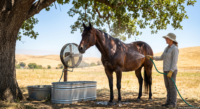
Fans can help reduce fly activity in barns because many flying insects struggle in strong airflow.
Rotate Pastures
Rotating turnout areas and removing manure can reduce breeding sites and improve overall fly control.
Monthly Fly Control Calendar
| Month | What to Do |
|---|---|
| March | Inspect equipment, clean barns, begin monitoring flies in warmer regions |
| April | Start using fly spray as insects become active |
| May | Increase protection, add fly masks and fly sheets if needed |
| June | Peak fly season—maintain consistent fly control |
| July | Reapply as directed, clean stalls daily, monitor for skin irritation |
| August | Continue fly management during warm weather |
| September | Reduce fly pressure before cooler temperatures arrive |
| October | Clean storage areas and dispose of unused seasonal supplies as recommended |
Timing varies by climate and region.
Buyer’s Guide: What to Look for in a Fly Spray
With dozens of products on the market, choosing the right one can feel overwhelming.
Focus on these key factors:
1. Active Ingredients
Look for ingredients suited to your needs:
- Botanical oils for gentle daily use
- Permethrin or pyrethrins for heavier insect pressure
2. Duration of Protection
If your horse spends long hours outdoors, choose a product designed for longer-lasting protection.
3. Weather Resistance
Look for sweat-resistant or water-resistant formulas if your horse works hard or lives in humid conditions.
4. Horse’s Skin Type
Sensitive horses may benefit from botanical or conditioning formulas.
5. Type of Insects
Some products are more effective against:
- Horse flies
- Stable flies
- Mosquitoes
- Gnats
- Ticks
Choose a broad-spectrum formula if your horse is exposed to multiple pests.
6. Budget
The most expensive product isn’t always the best value.
Sometimes a moderately priced spray that works consistently for your environment is the better long-term choice.
Farrier’s Perspective :-
Over the years, I’ve noticed that horses bothered by constant flies often spend more time stomping, shifting weight, and moving around than grazing or resting. While fly spray isn’t a hoof-care product, reducing fly irritation can indirectly support hoof health by minimizing unnecessary concussion and stress on the feet. It’s another reminder that good horse care works best when nutrition, hoof care, and environmental management all come together.
Frequently Asked Questions About Fly Sprays for Horses
What is the best fly spray for horses overall?
For most horse owners, Farnam Endure is one of the best all-around fly sprays because it provides long-lasting protection, resists sweat, and works against a wide range of flying insects. However, the best choice depends on your horse’s environment, skin sensitivity, and how often you can reapply the product.
What is the longest-lasting fly spray for horses?
Products such as Farnam Endure, Absorbine UltraShield EX, and Leovet Power Phaser are known for extended protection when applied according to the manufacturer’s directions. Actual performance varies depending on weather, sweating, rainfall, and bathing.
What is the best natural fly spray for horses?
If you prefer a botanical option, EcoVet Fly Spray and UltraShield Green are popular choices. They use plant-based ingredients to repel insects and are often selected for horses with sensitive skin.
How often should I apply fly spray?
There isn’t a single schedule that fits every horse.
As a general guide:
- Heavy fly season: Daily or according to label directions
- Moderate fly pressure: Every 1–3 days
- After bathing: Reapply
- After heavy rain: Reapply if recommended
- After excessive sweating: Reapply as directed
Can fly spray be used every day?
Many fly sprays are designed for regular use, but always follow the instructions on the product label. If your horse develops redness, itching, or irritation, stop using the product and consult your veterinarian.
Is homemade fly spray as effective as commercial products?
Homemade recipes may provide short-term relief during light fly pressure, but commercial products generally last longer, have tested active ingredients, and offer broader protection against different insect species.
Can I spray my horse’s face?
Avoid spraying directly onto the face.
Instead:
- Spray onto a clean cloth or sponge.
- Gently wipe around the face.
- Avoid the eyes, nostrils, mouth, and inside the ears unless the product specifically states it is safe for those areas.
Does fly spray work against mosquitoes?
Many commercial fly sprays also help repel mosquitoes, gnats, and other flying insects. Check the product label to see which pests are covered.
Can fly spray prevent sweet itch?
Fly spray may help reduce insect bites that trigger sweet itch, but it should be part of a complete management plan that includes:
- Fly sheets
- Fly masks
- Stable management
- Turnout timing
- Veterinary advice when needed
Should I use fly spray in winter?
In colder regions, fly populations usually decrease during winter, reducing the need for fly spray. In warmer climates where insects remain active, occasional use may still be beneficial.
Common Myths About Horse Fly Sprays
| Myth | Fact |
|---|---|
| One application lasts all week. | Rain, sweat, and sunlight reduce effectiveness. |
| Natural sprays always work better. | It depends on the insect pressure and product formulation. |
| More spray means better protection. | Applying more than directed doesn’t necessarily improve results. |
| Fly spray alone solves fly problems. | Barn hygiene and integrated fly control are equally important. |
| All fly sprays contain the same ingredients. | Formulas vary significantly in active ingredients and target insects. |
Our Top Recommendations
🏆 Best Overall
Farnam Endure
Ideal for horse owners who want reliable, long-lasting protection for daily turnout and riding.
💰 Best Budget Choice
Farnam Repel-X
A practical option for barns with multiple horses where affordability is important.
🌿 Best Natural Fly Spray
EcoVet Fly Spray
Suitable for owners who prefer botanical ingredients and horses with sensitive skin.
🏅 Best for Heavy Fly Pressure
Absorbine UltraShield EX
Designed for horses exposed to persistent biting flies, mosquitoes, and other insects.
🐎 Best for Sensitive Horses
Eqyss Premier Marigold Spray
A gentle choice for horses that may not tolerate stronger chemical formulas.
🎯 Best Premium Option
Leovet Power Phaser
Excellent for performance horses and owners looking for premium, long-lasting protection.
Expert Tip:
From Our Experience
During years of researching hoof care and observing horses in different environments, we’ve consistently found that horses are more relaxed and willing to stand quietly when fly pressure is well managed. Reduced stomping, tail swishing, and constant movement can make everyday handling, grooming, and farrier visits easier. While fly spray isn’t a substitute for good stable management, it’s an important part of keeping horses comfortable throughout fly season.
Summary:-
Choosing the best fly spray for your horse isn’t about finding the most expensive bottle on the shelf-it’s about matching the product to your horse’s needs, environment, and daily routine.
A horse that spends hours grazing in a humid pasture has different requirements than a show horse that spends most of its time in a stable. Likewise, horses with sensitive skin may benefit from gentler botanical formulas, while those exposed to intense insect pressure often need longer-lasting protection.
Remember that fly spray works best as part of a complete fly management program. Keeping stalls clean, removing manure regularly, reducing standing water, and using fly masks or fly sheets can dramatically improve your results.
Investing in the right fly control strategy helps your horse stay more comfortable, reduces stress caused by biting insects, and allows you both to enjoy the riding season with fewer interruptions.
Key Takeaways
- Choose a fly spray based on your horse’s needs, not just the brand.
- Chemical formulas generally provide longer-lasting protection.
- Botanical sprays are often better for sensitive horses.
- Groom your horse before applying fly spray.
- Reapply according to the product label, especially after rain or heavy sweating.
- Combine fly spray with good barn hygiene, fly masks, and fly sheets for the best results.
- Monitor your horse for any signs of skin irritation and switch products if needed.





Leave a comment