

Horse Hoof Care Tips in Summer – Every Horse Owner Needs
Summer brings longer riding days, greener pastures, and more opportunities to enjoy time with your horse. But it also creates unique challenges for hoof health. Hot weather, dry ground, sudden rainstorms, and increased fly activity can all affect your horse’s feet.
Many horse owners focus on hydration and fly control during summer but forget that hooves need extra attention too. Healthy hooves are the foundation of a sound horse, and even minor problems can quickly become painful if ignored.
In this guide, you’ll learn practical horse hoof care tips in summer that help prevent common seasonal issues such as hoof cracks, thrush, dry hooves, abscesses, and sole bruising.
Table of Contents
- Why Summer Is Hard on Horse Hooves
- Common Summer Hoof Problems
- 10 Horse Hoof Care Tips in Summer
- When to Call Your Farrier
- Frequently Asked Questions
- In Short:-
Why Summer Is Hard on Horse Hooves
Summer weather often changes quickly. One week may be extremely dry, while the next brings heavy rain. These sudden moisture changes cause the hoof wall to expand and contract repeatedly.
Dry conditions can make hooves brittle, while muddy paddocks encourage bacteria and fungi that lead to infections like thrush.
Other summer factors include:
- Hard-packed riding trails
- Increased riding frequency
- Rocky ground
- Hot temperatures
- Dehydration
- Dusty environments
Together, these conditions put extra stress on your horse’s feet.
Common Summer Hoof Problems
Before looking at prevention, it’s helpful to understand the issues horse owners often face during summer.
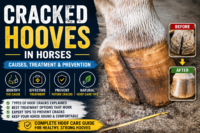
Hoof Cracks
Dry weather can remove moisture from the hoof wall, making it more likely to crack.
Small cracks may be cosmetic, but deeper cracks can affect comfort and lead to lameness.
Thrush
After summer rain, wet paddocks become ideal breeding grounds for bacteria.
Thrush commonly affects the frog and central sulcus, producing a black discharge and foul odor.
Sole Bruising
Hard ground increases concussion on the hoof.
Horses working on rocky or compacted surfaces are more likely to develop bruised soles.
Hoof Abscesses
Alternating wet and dry conditions weaken the hoof wall, allowing bacteria to enter through tiny cracks.
Abscesses often appear suddenly and can cause severe lameness.
Loose Shoes
Dry ground places additional stress on horseshoes.
More riding during summer also increases the chance of pulling a shoe.
10 Horse Hoof Care Tips in Summer
1. Pick Out Hooves Every Day
Daily hoof cleaning is the easiest way to prevent problems.
Remove:
- Stones
- Mud
- Manure
- Small sticks
Cleaning also allows you to notice cracks, bruises, or unusual odors before they become serious.
A quick daily inspection only takes a few minutes but can save weeks of treatment.
2. Maintain Regular Farrier Visits
Don’t delay hoof trimming during summer.
Most horses benefit from trimming every 6-8 weeks, although some may require shorter intervals depending on hoof growth and workload.
Overgrown hooves change weight distribution and increase the risk of cracks and uneven wear.
Your farrier can also identify early warning signs that owners often miss.
3. Keep Your Horse Hydrated
Healthy hooves begin from the inside.
Dehydration reduces overall hoof quality because the hoof depends on proper nutrition and circulation for healthy growth.
Always provide:
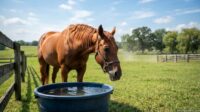
- Fresh water
- Clean water buckets
- Electrolytes when recommended by your veterinarian
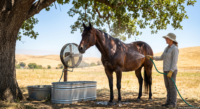
- Shade during hot weather
Proper hydration supports healthier hoof growth throughout the summer.
4. Avoid Constant Wet-to-Dry Cycles
One of the biggest summer mistakes is allowing horses to stand in muddy areas before moving onto extremely dry ground.
Repeated swelling and shrinking weaken the hoof wall.
Whenever possible:
- Improve paddock drainage.
- Avoid standing water around water troughs.
- Rotate turnout areas if conditions become muddy.
Consistency is healthier than constant moisture changes.
5. Ride Carefully on Hard Ground
Summer trails often become very firm.
Hard surfaces increase concussion through the hoof and joints.
Before riding:
- Check trail conditions.
- Reduce speed on rocky terrain.
- Avoid long rides during extreme heat.
- Consider hoof boots if riding barefoot horses on rough surfaces.
Protecting the hoof today helps prevent soreness tomorrow.
6. Watch for Early Signs of Thrush
Thrush develops quickly during humid weather.
Look for:
- Black discharge
- Bad smell
- Soft frog tissue
- Sensitivity during cleaning
Early treatment is much easier than dealing with advanced infections.
Keeping hooves clean and dry greatly reduces the risk.
7. Feed a Balanced Diet
Good nutrition supports strong hoof growth year-round.
Your horse’s diet should provide:
- High-quality forage
- Balanced minerals
- Adequate protein
- Zinc
- Copper
- Biotin when recommended
Hoof supplements are not instant fixes, but they can support healthier hoof growth over time when used appropriately.
8. Check Shoes Frequently
If your horse wears shoes, inspect them regularly.
Watch for:
- Loose nails
- Bent shoes
- Shifted shoes
- Missing clinches
A loose shoe can quickly damage the hoof wall or cause injury if left unattended.
9. Control Flies Around the Feet
Flies constantly irritate horses during summer.
Stomping increases stress on the hooves and can loosen shoes or worsen existing cracks.
Keep fly populations under control by:
- Removing manure regularly
- Using fly sprays
- Installing fans in barns
- Using fly boots when appropriate
Less stomping means less unnecessary hoof stress.
10. Perform Weekly Hoof Health Checks
Set aside a few minutes each week for a thorough inspection.
Check for:
- New cracks
- Heat
- Digital pulse
- Sole bruising
- Frog condition
- Hoof balance
- Loose shoes
Finding problems early often prevents expensive veterinary treatment later.
When to Call Your Farrier
Contact your farrier promptly if you notice:
- Deep hoof cracks
- Loose or missing shoes
- Uneven hoof wear
- Chipped hoof walls
- Changes in hoof shape
- Persistent tenderness
Your farrier can determine whether routine trimming, corrective work, or further evaluation is needed.
If your horse becomes suddenly lame, develops significant swelling, or shows signs of severe pain, contact your veterinarian immediately.
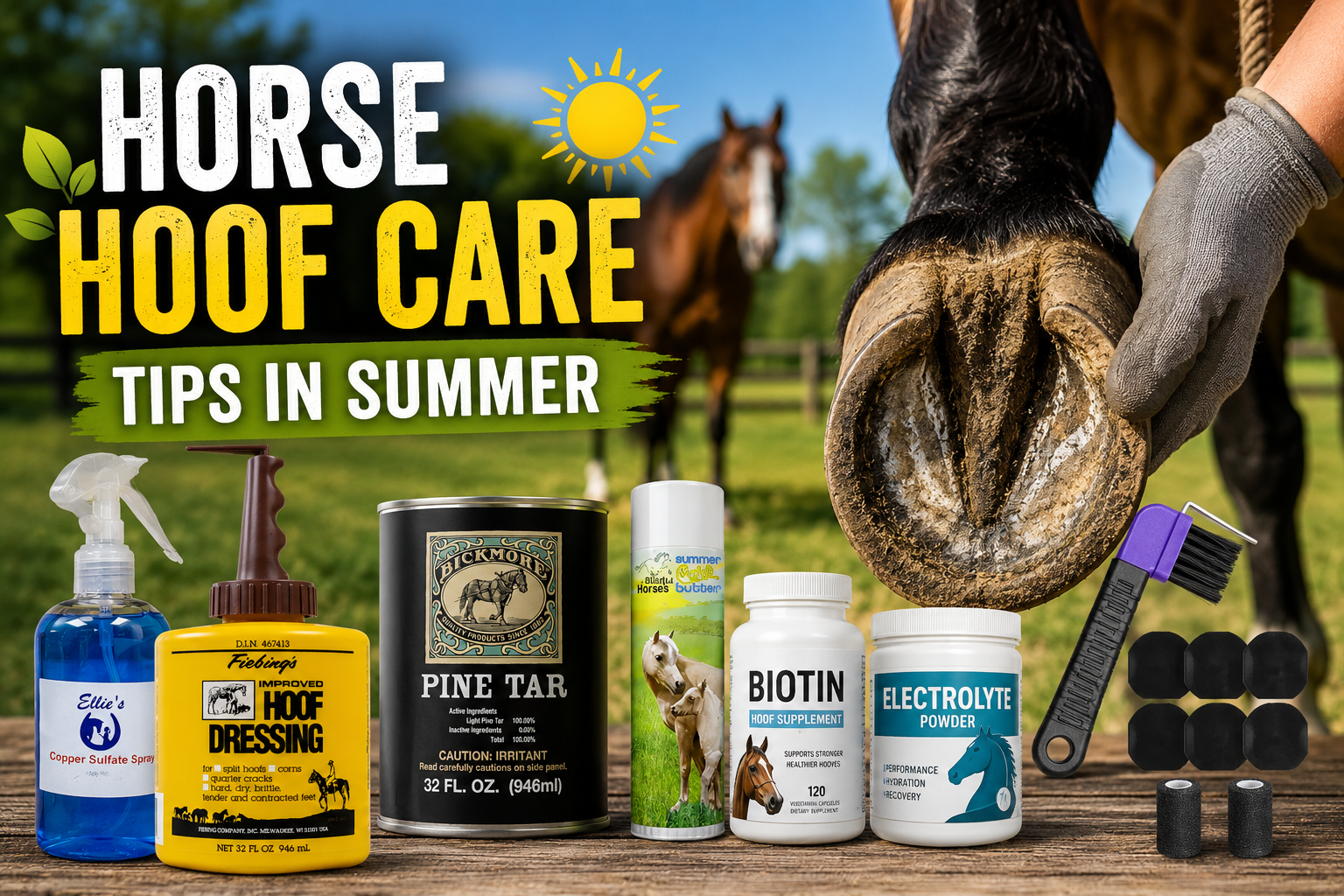
Most of the Horse owners/Farriers are using these Recommended Products for Summer Horse Hoof Care
The right hoof care products can make your summer routine easier while helping prevent common seasonal problems. Here are a few products that many horse owners and farriers rely on during the warmer months.
Hoof Pick with Brush
A quality hoof pick with a built-in brush makes daily cleaning quick and effective. It helps remove packed dirt, mud, manure, and small stones from the hoof and frog, reducing the risk of thrush and allowing you to spot cracks or injuries early.
Hoof Conditioner for Dry Hooves
Hot, dry weather can leave hoof walls brittle and more likely to crack. A good hoof conditioner helps maintain the hoof’s natural moisture balance and flexibility. While it isn’t a cure for poor hoof quality, it can be a useful part of a complete hoof care routine when combined with regular trimming and proper nutrition.
Thrush Treatment Solution
Warm temperatures and damp areas around water troughs or muddy paddocks create ideal conditions for thrush-causing bacteria. A trusted thrush treatment solution helps control infection, promotes healthy frog tissue, and supports faster recovery when used as directed.
Hoof Boots for Trail Riding
Hard-packed summer trails and rocky terrain can make barefoot horses uncomfortable. Hoof boots provide extra protection by cushioning the sole and reducing impact, helping your horse stay comfortable on long rides without the need for permanent shoes.
Fly Spray for Horses
Constant fly irritation often causes horses to stomp repeatedly, placing unnecessary stress on their hooves and increasing the chance of loose shoes or chipped hoof walls. An effective fly spray helps keep insects away, allowing your horse to stand more comfortably and reducing excessive stomping.
Biotin Hoof Supplement
Strong, healthy hooves start from within. A biotin-based hoof supplement, especially when combined with key nutrients like zinc, copper, and methionine, supports healthy hoof growth over time. Results aren’t immediate, but consistent use alongside a balanced diet can contribute to stronger hoof walls.
Electrolyte Supplement
During hot summer weather, horses lose important minerals through sweat. An electrolyte supplement helps replace those lost minerals, encouraging proper hydration and supporting overall health. Well-hydrated horses are better equipped to maintain normal body functions that contribute to healthy hoof growth.
Farrier Hoof Stand
Whether you’re cleaning hooves between farrier visits or performing routine maintenance, a farrier hoof stand provides a stable, comfortable way to support the hoof. It reduces strain on your back and helps keep the horse’s leg in a secure position, making hoof care safer and more efficient.
Frequently Asked Questions
How often should I clean my horse’s hooves in summer?
Ideally, clean your horse’s hooves every day, especially after riding or turnout. Daily cleaning removes debris and helps detect problems early.
Does hot weather dry out horse hooves?
Yes. Extended periods of hot, dry weather can make hoof walls brittle and increase the risk of cracks, especially if moisture levels fluctuate frequently.
Is hoof oil necessary during summer?
Not always. Hoof oils may improve the appearance of the hoof, but they are not a substitute for proper trimming, balanced nutrition, and good environmental management. Consult your farrier before using hoof care products regularly.
Can horses get thrush in summer?
Yes. Summer rain, muddy paddocks, and humid conditions can create an ideal environment for thrush-causing bacteria.
What is the biggest summer hoof care mistake?
Ignoring small hoof changes. Minor cracks, loose shoes, or early thrush can become much more serious if left untreated.
In Short:-
Summer can be tough on your horse’s feet, but consistent hoof care goes a long way toward preventing problems. Daily cleaning, regular farrier visits, balanced nutrition, proper hydration, and careful management of wet and dry conditions all contribute to healthier, stronger hooves.
By making hoof care part of your regular summer routine, you’ll help keep your horse comfortable, sound, and ready to enjoy the riding season.
The following articles are very interesting, you may Read:
- Summer Horse Care Checklist for USA Horse Owners
- Best Horse Grooming Kits
- Homemade Thrush Treatment for Horses
- Horse Hoof Cracks: Causes, Treatment & Prevention
- White Line Disease in Horses
- Signs Your Horse May Need Supplement Support
- 15 Essential Horse Care Tips for New Owners: The Complete Beginner-to-Advanced Guide










Leave a comment