

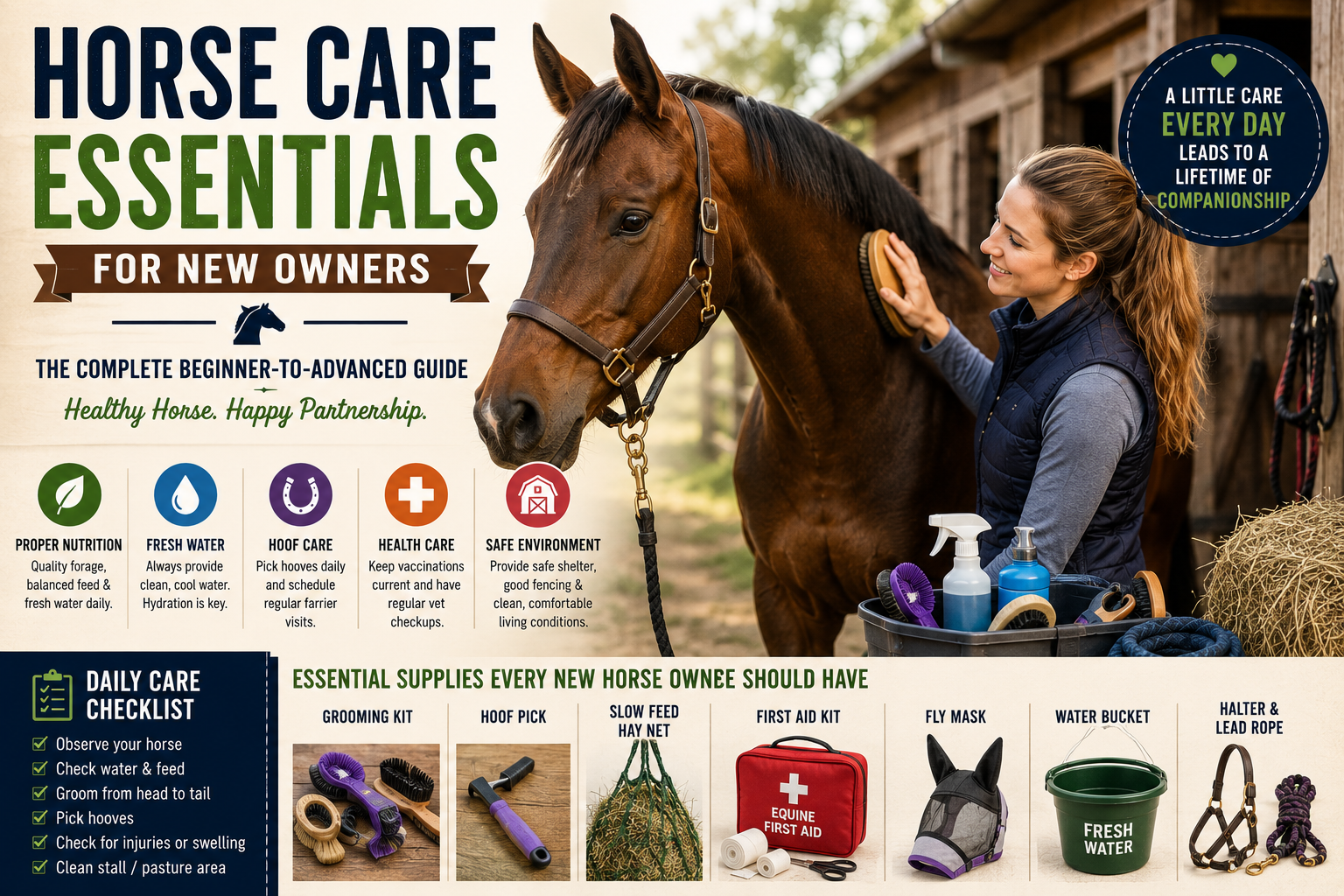
Horse Care Essentials for New Owners: The Complete Beginner-to-Advanced Guide
Horse Care Essentials for New Owners begin with understanding that bringing home your first horse is exciting, but it also comes with responsibilities that many new owners underestimate. Horses are powerful animals with complex physical, nutritional, and emotional needs. Unlike dogs or cats, horse care involves daily management, regular hoof maintenance, veterinary care, pasture upkeep, and a commitment that can last decades.
The good news is that successful horse ownership doesn’t require years of experience from day one. It starts with understanding the essentials and developing consistent routines that keep your horse healthy, comfortable, and safe.
This guide covers everything new owners need to know, from basic daily care to advanced management practices that experienced horse owners use to prevent problems before they start. Whether you’re preparing for your first horse or looking to improve your management skills, these horse care essentials will help you build a strong foundation for long-term success.
Horse Care Essentials for New Owners: Understanding the Commitment
Before discussing feeding schedules and grooming supplies, it’s important to understand what horse ownership really involves.
Most horses require daily attention, regardless of weather conditions, holidays, or busy schedules. A healthy horse can live 25 to 30 years or longer, making horse ownership a long-term commitment.
New owners should budget for:
- Feed and hay
- Farrier visits
- Veterinary care
- Vaccinations
- Deworming
- Tack and equipment
- Emergency medical expenses
- Boarding costs if the horse is not kept at home
The owners who enjoy horse ownership the most are usually the ones who prepare for both the rewards and responsibilities.
Creating a Safe Living Environment
A horse’s environment directly affects its health and well-being.
Shelter Requirements
Horses need protection from extreme weather, including heavy rain, snow, intense sun, and strong winds.
Options include:
- Run-in sheds
- Barn stalls
- Combination shelter and pasture systems
Shelters should provide adequate ventilation while remaining dry and safe.
Fencing Matters
Many horse injuries occur because of poor fencing.
Safe fencing options include:
- Wood fencing
- Vinyl fencing
- Horse-safe electric fencing
- No-climb woven wire fencing
Avoid barbed wire whenever possible, especially for horses unfamiliar with the property.
Pasture Management
Good pasture management reduces feed costs while supporting overall health.
Maintain pastures by:
- Rotating grazing areas
- Removing manure regularly
- Controlling weeds
- Repairing damaged fencing
- Avoiding overgrazing
Healthy pastures help support digestive health and reduce the risk of nutritional deficiencies.
Daily Horse Care Essentials for New Owners
Consistency is one of the most important aspects of horse care.
Every day, owners should perform a basic health check.
Observe Your Horse
Before feeding or handling your horse, take a moment to observe.
Look for:
- Normal movement
- Bright eyes
- Healthy appetite
- Comfortable posture
- Normal manure production
Many serious health conditions are first detected through small changes in behavior.
Check Water Supply
A horse may drink between 5 and 15 gallons of water daily, depending on weather, workload, and diet.
Fresh water should always be available.
Dirty buckets and troughs can discourage drinking and increase disease risk.
Feed on a Consistent Schedule
Horses thrive on routine.
Sudden feeding changes can contribute to digestive upset and potentially serious conditions such as colic.
Try to feed at approximately the same times each day.
Why Horse Care Essentials for New Owners Matter
Learning the right horse care practices from the beginning can prevent many common health, nutrition, and management problems. New owners who understand horse care essentials are better prepared to recognize early signs of illness, maintain healthy hooves, provide proper nutrition, and create a safe living environment. Consistent daily care not only supports a horse’s physical health but also builds trust between horse and owner. By following proven horse care essentials for new owners, you can avoid costly mistakes and help your horse stay comfortable, healthy, and happy for years to come.
Feeding and Nutrition Basics
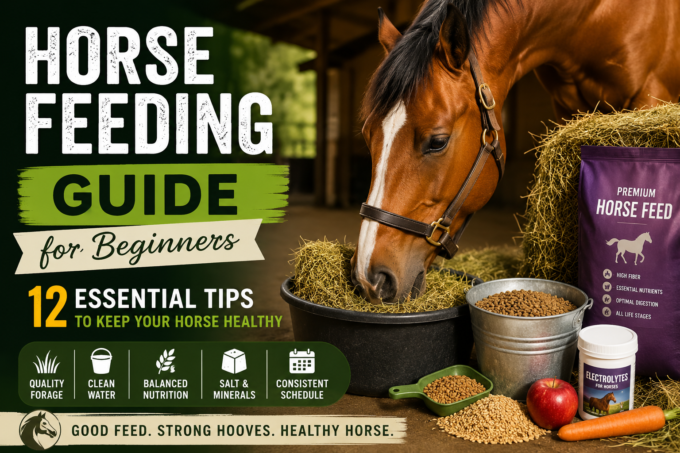
Proper nutrition is the foundation of horse health.
Many new owners focus heavily on grain, but forage should always come first.
Forage Comes First
A horse’s digestive system is designed to process fiber continuously.
Forage sources include:
- Grass pasture
- Hay
- Hay cubes
- Hay pellets
Most horses should receive the majority of their calories from forage.
Understanding Concentrates
Grains and commercial feeds provide additional energy and nutrients.
Not every horse needs grain.
Factors affecting concentrate needs include:
- Age
- Workload
- Body condition
- Health status
- Reproductive status
Overfeeding concentrates is a common mistake among new owners.
Monitoring Body Condition
Learning to assess body condition is an advanced skill that pays dividends.
Signs of excessive weight gain include:
- Fat deposits along the neck
- Fat around the tailhead
- Rounded ribs that cannot be easily felt
Excess weight increases the risk of metabolic disorders and laminitis.
Water: The Most Important Nutrient
Horse owners often focus on feed while overlooking water.
Water supports:
- Digestion
- Circulation
- Temperature regulation
- Joint function
- Overall health
Reduced water intake can quickly contribute to dehydration and increase colic risk.
In winter, some horses drink less when water becomes extremely cold. Heated buckets or tank heaters may help maintain adequate intake.
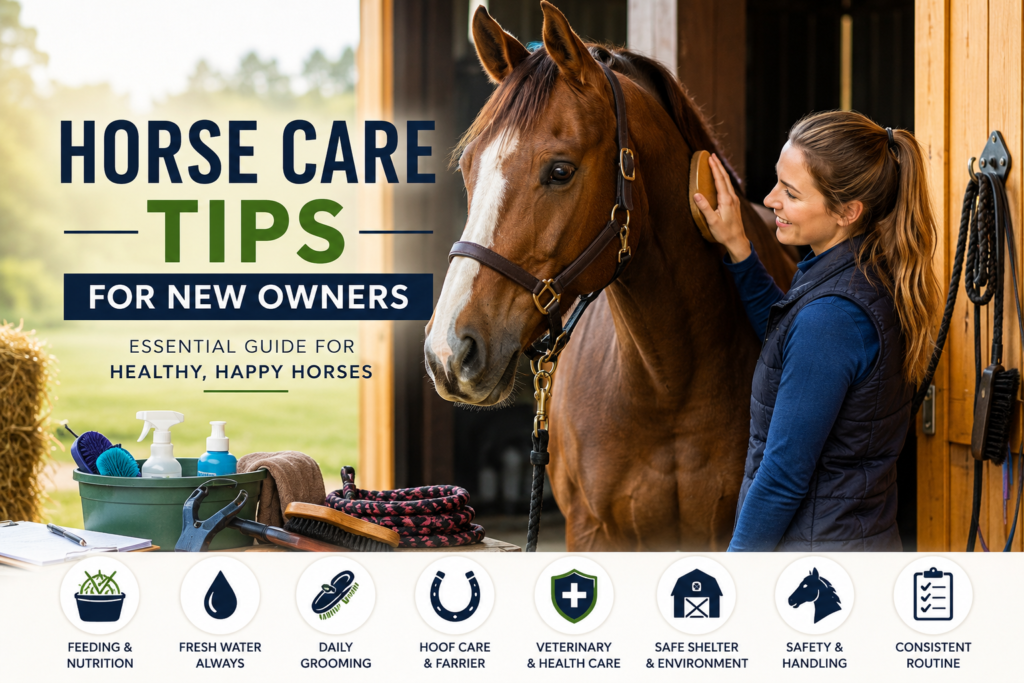
Grooming Essentials Every New Owner Should Know
Grooming is more than making a horse look clean.
Regular grooming allows owners to identify injuries, swelling, skin issues, and hoof problems early.
Basic Grooming Equipment
A beginner grooming kit should include:
- Curry comb
- Stiff brush
- Soft brush
- Mane comb
- Hoof pick
- Sweat scraper
Benefits of Daily Grooming
Regular grooming helps:
- Improve circulation
- Remove dirt and debris
- Prevent skin problems
- Strengthen owner-horse relationships
- Identify injuries early
Even horses living outdoors benefit from routine grooming sessions.
Hoof Care: The Foundation of a Healthy Horse
A common saying in the horse world is, “No hoof, no horse.”
As a farrier will tell you, hoof care is one of the most important investments you can make.
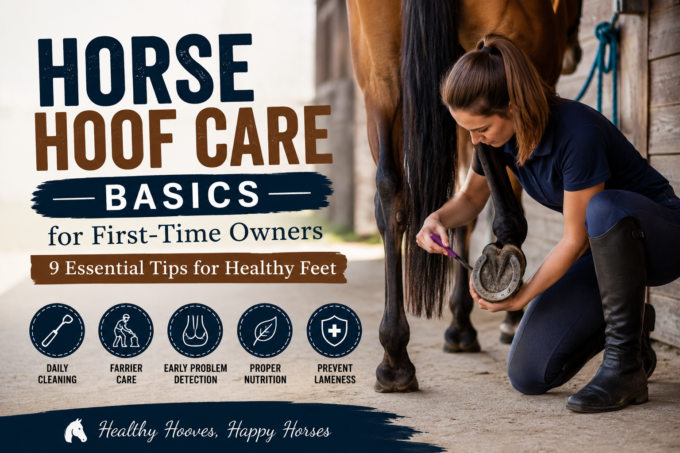
Daily Hoof Inspection
Pick out your horse’s feet regularly.
Look for:
- Stones
- Packed mud
- Foul odors
- Cracks
- Loose shoes
- Signs of tenderness
Scheduling Farrier Visits
Most horses require trimming or shoeing every six to eight weeks.
However, the ideal schedule depends on:
- Hoof growth
- Workload
- Terrain
- Climate
Waiting too long between appointments can create imbalances that affect the entire musculoskeletal system.
Early Signs of Hoof Problems
Contact your farrier or veterinarian if you notice:
- Heat in the hoof
- Strong digital pulses
- Sudden lameness
- Cracks worsening rapidly
- Hoof wall separation
Early intervention often prevents expensive complications.
Veterinary Care and Preventive Health
Preventive care is far less expensive than treating advanced disease.
Annual Wellness Exams
Routine examinations allow veterinarians to identify health concerns before they become serious.
Wellness visits often include:
- Physical examination
- Dental assessment
- Vaccination review
- Parasite control planning
Vaccinations
Vaccination recommendations vary by region and horse lifestyle.
Common vaccinations may include protection against:
- Tetanus
- Rabies
- West Nile virus
- Equine influenza
Work closely with your veterinarian to develop a schedule.
Parasite Management
Modern parasite control relies on strategic deworming rather than automatic monthly treatments.
Fecal testing helps determine parasite loads and appropriate treatment schedules.
Hoof Abscess Treatment in Horses
Boots for Horses With Laminitis
Dental Care Often Gets Overlooked
Horse teeth continuously erupt throughout much of their lives.
Uneven wear can create sharp points that cause discomfort and interfere with eating.
Signs your horse may need dental attention include:
- Dropping feed
- Weight loss
- Resistance to the bit
- Bad breath
- Difficulty chewing
Most horses benefit from annual dental examinations.
Exercise and Mental Well-Being
Horses are naturally active animals.
Even horses not used for riding need opportunities to move.
Physical Benefits of Exercise
Regular exercise helps:
- Maintain muscle tone
- Support joint health
- Improve circulation
- Reduce obesity risk
Mental Benefits
Bored horses may develop undesirable behaviors such as:
- Weaving
- Cribbing
- Stall walking
Turnout, social interaction, and environmental enrichment help support mental well-being.
Horse Safety Rules Every New Owner Should Follow
Working around horses safely is essential.
Even the gentlest horse can react unexpectedly.
Basic Safety Practices
Always:
- Approach calmly
- Speak before touching
- Avoid standing directly behind a horse
- Wear proper footwear
- Use safe handling equipment
Trailer and Transport Safety
Transportation introduces additional risks.
Ensure:
- Proper trailer maintenance
- Safe loading procedures
- Adequate ventilation
- Secure footing
Travel stress can affect health, hydration, and behavior.
Common Mistakes New Horse Owners Make
Many beginner mistakes are avoidable.
Overfeeding Grain
Too much concentrate can contribute to obesity, digestive upset, and metabolic issues.
Ignoring Small Changes
Subtle changes in appetite, movement, or behavior often indicate developing problems.
Delaying Farrier Visits
Poor hoof maintenance can create long-term soundness issues.
Inconsistent Routines
Horses thrive on predictable schedules.
Skipping Preventive Care
Routine veterinary and dental care help prevent larger health concerns.
Advanced Horse Care Strategies
Once the basics become routine, experienced owners often focus on prevention and performance.
Tracking Health Records
Maintain records for:
- Vaccinations
- Deworming
- Farrier appointments
- Dental exams
- Injuries
- Weight changes
Patterns become easier to recognize when documented.
Learning Normal Vital Signs
Every owner should know how to check:
- Temperature
- Pulse
- Respiration
Knowing your horse’s normal values can help identify emergencies sooner.
Seasonal Management
Horse care changes throughout the year.
Summer priorities may include:
- Fly control
- Hydration
- Heat management
Winter priorities often include:
- Additional forage
- Water monitoring
- Shelter management
Adapting care to seasonal conditions improves overall health.
Horse Care Supplies Every New Owner Should Have
Essential supplies include:
- Halter and lead rope
- Grooming kit
- Hoof pick
- Water buckets
- Feed containers
- First-aid kit
- Fly protection products
- Blankets when appropriate
- Thermometer
- Emergency contact list
Having these items readily available can save valuable time during emergencies.
Recommended Horse Care Products for New Owners
New horse owners quickly discover that having the right equipment makes daily care easier, safer, and more efficient. While every horse has different needs, a few essential products can help simplify feeding, grooming, hoof care, and overall horse management.
Essential Grooming Kit
A quality grooming kit should include a curry comb, stiff brush, soft brush, mane comb, and hoof pick. Regular grooming helps keep your horse clean while allowing you to spot cuts, swelling, or skin problems before they become serious.
Hoof Pick and Hoof Care Tools
Every horse owner should carry a hoof pick. Cleaning your horse’s feet daily helps remove stones, mud, and debris that can contribute to discomfort, thrush, or hoof injuries.
Slow Feed Hay Net
Slow feeders help reduce hay waste and encourage natural grazing behavior. They can also help horses maintain healthier eating habits throughout the day.
Equine First Aid Kit
A well-stocked first aid kit is one of the most important items in any barn. Basic supplies such as bandages, wound cleaners, gauze, and a digital thermometer can be invaluable during minor emergencies.
Fly Protection Products
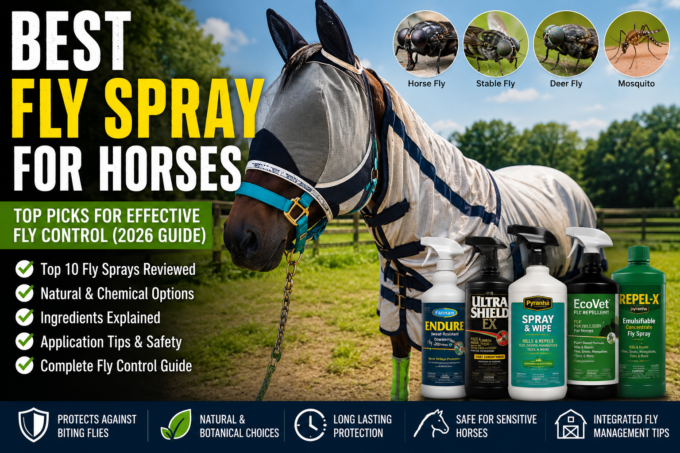
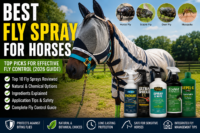
Fly masks, fly sheets, and fly sprays help protect horses from biting insects, especially during warmer months. Reducing fly irritation can improve comfort and prevent skin problems.
Automatic Waterers or Water Trough Accessories
Consistent access to clean water is essential for horse health. Automatic waterers or easy-to-clean water trough systems can help ensure your horse always has fresh drinking water available.
Durable Halter and Lead Rope
Every horse owner should invest in a strong, properly fitted halter and a reliable lead rope for daily handling, grooming, veterinary visits, and transportation.
Horse Blanket for Seasonal Protection
Depending on your climate and your horse’s needs, a quality turnout blanket can provide additional protection during cold, wet, or windy conditions.
Note: Always choose horse care products based on your horse’s age, workload, environment, and individual health needs. Quality equipment often lasts longer and can improve both safety and convenience during daily horse care routines.
New Horse Owner Checklist
Use this quick checklist:
✓ Fresh water available at all times
✓ High-quality forage provided daily
✓ Safe shelter and fencing
✓ Regular grooming routine
✓ Hoof care schedule established
✓ Veterinary care plan in place
✓ Vaccinations current
✓ Dental examinations scheduled
✓ Emergency supplies stocked
✓ Daily health observations performed
Frequently Asked Questions
How much time should I spend caring for my horse each day?
Most horses require at least one to two hours of daily attention, including feeding, health checks, grooming, and facility maintenance.
How often should a horse see a farrier?
Most horses need trimming or shoeing every six to eight weeks, although individual needs vary.
What is the most important part of horse care?
Consistent access to forage, fresh water, hoof care, and preventive veterinary care form the foundation of good horse management.
Should every horse wear shoes?
No. Many horses perform well barefoot, while others benefit from shoes depending on workload, terrain, hoof quality, and individual needs.
How can I tell if my horse is sick?
Changes in appetite, behavior, movement, manure production, water intake, or attitude often indicate a problem and should be investigated promptly.
Horse Care Essentials for New Owners: Building a Long-Term Care Plan
Horse ownership is a long-term responsibility that requires planning, consistency, and ongoing education. As you gain experience, you’ll develop routines that work for your horse’s individual needs. The most successful owners focus on preventive care, proper nutrition, regular hoof maintenance, and early detection of health issues. By following these horse care essentials for new owners, you can create a safer and healthier environment for your horse throughout every stage of its life.
In Short:-
Successful horse ownership isn’t about knowing everything on day one. It’s about building good habits, paying attention to details, and responding quickly when something seems wrong.
The healthiest horses are usually owned by people who stay consistent with daily care, maintain regular farrier and veterinary schedules, and continue learning throughout their horse ownership journey.
Master these horse care essentials, and you’ll create a strong foundation that supports your horse’s health, comfort, and performance for years to come.



Leave a comment