

Heat Stress in Horses: 11 Warning Signs, Treatment & Prevention Guide
Summer is one of the best times to ride, compete, and enjoy long days with your horse. Unfortunately, it’s also the season when horses are most vulnerable to heat stress. Every year, thousands of horses experience overheating due to high temperatures, humidity, intense exercise, or inadequate hydration. While many cases are mild, severe heat stress can quickly progress to heat exhaustion or heat stroke, both of which are life-threatening emergencies.
The good news is that heat stress is often preventable. Knowing the early warning signs, understanding the risk factors, and taking quick action can make a significant difference in your horse’s recovery.
In this guide, you’ll learn how to recognize heat stress in horses, what causes it, how to treat it safely at home, when to call a veterinarian, and practical ways to prevent it during hot weather.
What Is Heat Stress in Horses?
Heat stress occurs when a horse’s body produces more heat than it can release. Horses naturally cool themselves by sweating and increasing blood flow to the skin. However, during extremely hot or humid weather, these cooling mechanisms may not work efficiently.
When body temperature continues to rise, important organs such as the brain, muscles, heart, and kidneys begin to suffer. If not treated quickly, heat stress can progress to heat exhaustion and eventually heat stroke, which requires immediate veterinary care.
Unlike humans, horses generate a tremendous amount of body heat during exercise. A working horse may produce several times more heat than it does while resting, making proper cooling essential.
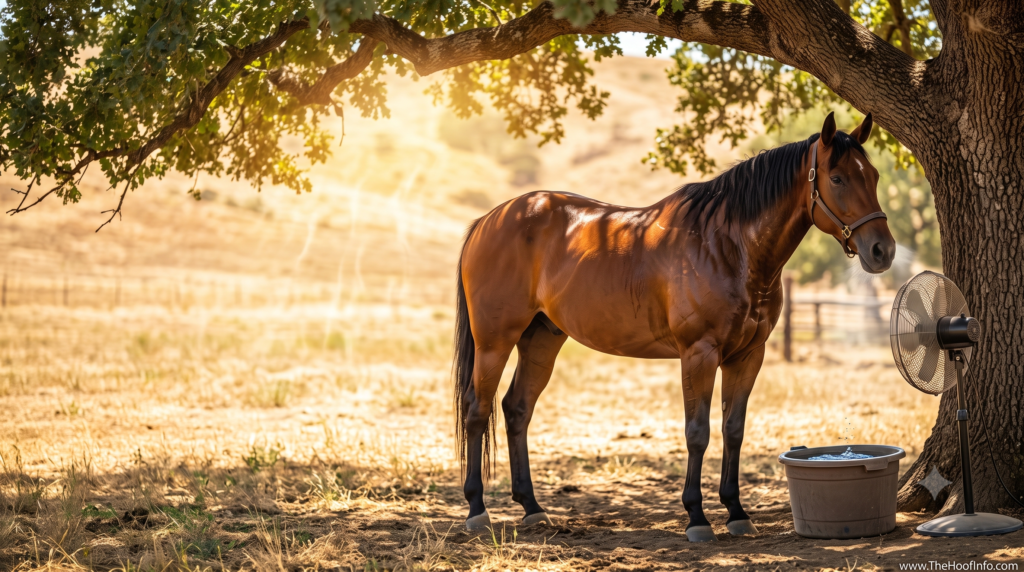
Why Do Horses Get Heat Stress?
Several factors can contribute to overheating.
Hot and Humid Weather
Humidity is often more dangerous than temperature alone. When humidity is high, sweat cannot evaporate efficiently, reducing the horse’s ability to cool itself.
Intense Exercise
Trail riding, barrel racing, endurance competitions, dressage, jumping, and other athletic activities significantly increase body temperature.
Poor Hydration
Water loss through sweating is substantial. A dehydrated horse cannot regulate body temperature effectively.
Limited Shade
Standing in direct sunlight for several hours dramatically increases heat absorption.
Poor Ventilation
Barns with inadequate airflow trap heat, making it difficult for horses to cool down.
Transportation
Long trailer rides during summer can expose horses to dangerous temperatures, especially if ventilation is poor.
11 Signs of Heat Stress in Horses
Recognizing symptoms early can prevent a medical emergency.
1. Excessive Sweating
Heavy sweating during exercise is normal. However, continuous sweating after work has stopped may indicate overheating.
Sometimes horses stop sweating altogether, a condition called anhidrosis, which is particularly dangerous.
2. Rapid Breathing
Normal resting respiration is usually between 8 and 16 breaths per minute.
A horse experiencing heat stress may breathe rapidly even after resting.
3. Elevated Heart Rate
A healthy resting heart rate generally ranges from 28 to 44 beats per minute.
If the heart rate remains elevated after cooling attempts, veterinary attention is recommended.
4. High Rectal Temperature
A normal horse’s temperature ranges from 99°F to 101.5°F (37.2–38.6°C).
Temperatures above 103°F (39.4°C) after exercise deserve close monitoring, while temperatures above 105°F (40.5°C) are considered an emergency.
5. Weakness
An overheated horse may appear tired, reluctant to move, or stumble while walking.
6. Loss of Appetite
Heat stress often causes horses to refuse feed or eat less than usual.
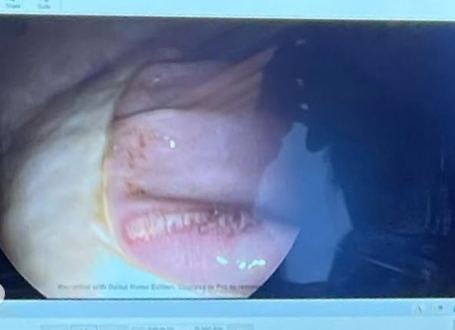
7. Dry or Sticky Gums
Healthy gums should be moist and pink.
Dry, tacky, or pale gums can indicate dehydration or poor circulation.
8. Muscle Trembling
Shaking muscles may signal electrolyte imbalance or excessive fatigue.
9. Depression or Lethargy
Your horse may appear unusually quiet, uninterested in surroundings, or unwilling to interact.
10. Delayed Recovery After Exercise
Most horses begin recovering within several minutes after exercise.
If breathing and heart rate remain elevated for an extended period, heat stress should be suspected.
11. Collapse
Collapse, seizures, confusion, or unconsciousness indicate severe heat stroke and require immediate emergency veterinary care.
Quick Symptom Checklist
| Mild | Moderate | Severe |
|---|---|---|
| Heavy sweating | Rapid breathing | Collapse |
| Increased thirst | High temperature | Seizures |
| Mild fatigue | Muscle weakness | Heat stroke |
| Slightly elevated pulse | Depression | Organ failure |
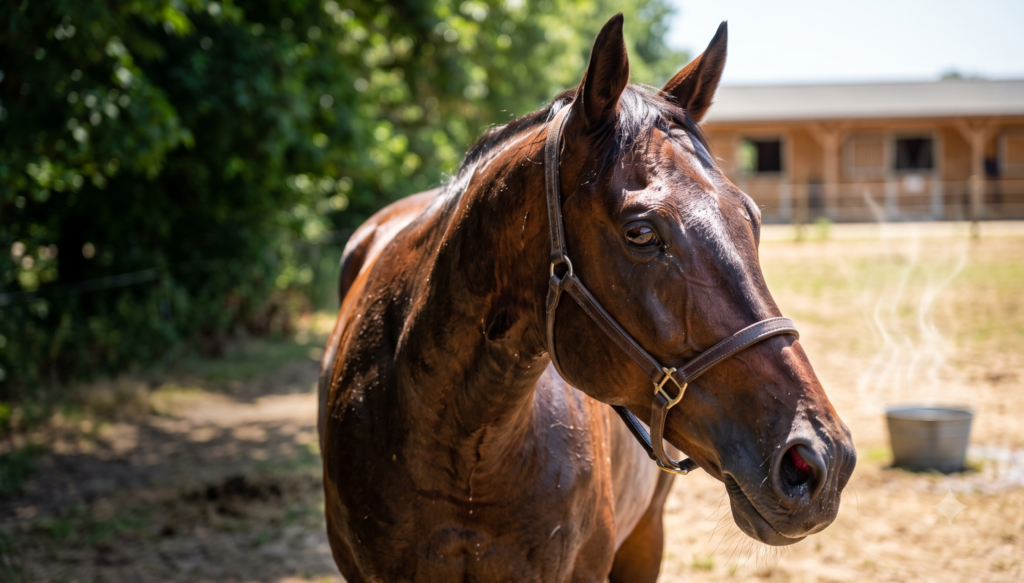
Heat Stress vs Heat Stroke
Many horse owners confuse these conditions.
| Heat Stress | Heat Stroke |
|---|---|
| Horse can still cool itself | Cooling system fails |
| Mild to moderate symptoms | Medical emergency |
| Responds to cooling | Immediate veterinary treatment needed |
| Recovery usually quick | Risk of death without treatment |
If your horse is confused, staggering, or has a body temperature above 105°F, assume heat stroke and contact your veterinarian immediately.
Which Horses Are Most at Risk?
Some horses are more susceptible than others.
High-risk horses include:
- Senior horses
- Young foals
- Overweight horses
- Horses with long or thick coats
- Horses with anhidrosis
- Horses recovering from illness
- Horses with heart or respiratory disease
- Performance horses in training
- Horses transported long distances
- Horses without access to shade or fresh water
What Temperature Is Too Hot for Horses?
There is no single “unsafe” temperature because humidity, sunlight, wind, and workload all play important roles.
General Guidelines
| Temperature | Risk Level |
|---|---|
| Below 75°F (24°C) | Low |
| 75–85°F (24–29°C) | Moderate |
| 85–95°F (29–35°C) | High |
| Above 95°F (35°C) | Very High |
Humidity above 70% significantly increases the risk of heat stress, even if temperatures are not extreme.
Signs You Should Stop Riding Immediately
Stop exercise if your horse shows:
- Excessive panting
- Poor recovery
- Muscle weakness
- High body temperature
- Unsteady movement
- Refusal to continue working
Continuing exercise under these conditions can quickly turn a manageable situation into a medical emergency.
How to Treat Heat Stress in Horses at Home
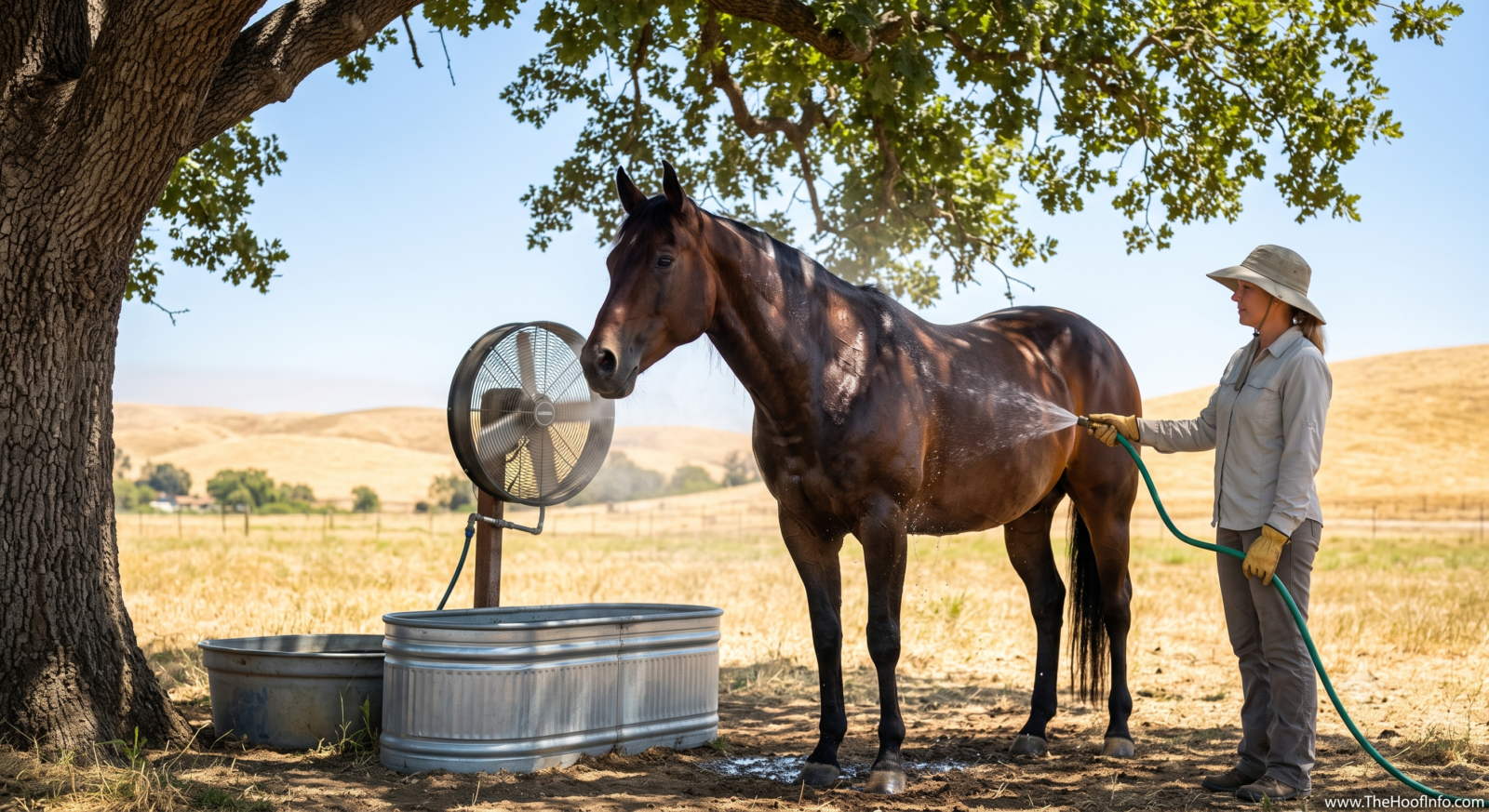
If you suspect your horse is suffering from heat stress, act immediately. Early intervention can prevent the condition from progressing to heat stroke.
Important: Home treatment is only appropriate for mild to moderate heat stress. If your horse collapses, has a rectal temperature above 105°F (40.5°C), or shows neurological signs such as stumbling, confusion, or seizures, contact your veterinarian immediately.
Step 1: Move Your Horse to a Cooler Area
The first priority is to remove your horse from the heat.
Move your horse to:
- A shaded paddock
- A well-ventilated barn
- Under large trees
- An area with fans or good airflow
Avoid keeping your horse in direct sunlight while attempting to cool it.
Step 2: Begin Cooling Immediately
Modern veterinary recommendations support rapid cooling.
Use cool (not ice-cold) water to soak the horse’s:
- Neck
- Chest
- Shoulders
- Legs
- Belly
- Hindquarters
After applying water, scrape off the warm water with a sweat scraper and repeat the process several times. This helps remove heated water from the skin and allows fresh cool water to continue lowering body temperature.
Continue cooling until your horse’s temperature returns to a safe range.
Step 3: Offer Fresh Drinking Water
Contrary to an old myth, you should not withhold water from an overheated horse.
Provide clean, cool (not ice-cold) drinking water. Let your horse drink small amounts frequently. Many horses will naturally regulate their intake.
If your horse refuses water, notify your veterinarian.
Step 4: Replace Lost Electrolytes
Sweating causes horses to lose important minerals, including:
- Sodium
- Chloride
- Potassium
- Magnesium
- Calcium
Electrolyte replacement may help recovery, especially for horses that work regularly in hot weather. Always follow the manufacturer’s directions, and if your horse has medical conditions, ask your veterinarian which product is appropriate.
Step 5: Monitor Vital Signs
Continue checking your horse every 10–15 minutes.
Monitor:
| Vital Sign | Normal Range |
|---|---|
| Temperature | 99–101.5°F (37.2–38.6°C) |
| Heart Rate | 28–44 beats/min |
| Respiratory Rate | 8–16 breaths/min |
| Gum Color | Pink and moist |
If these values do not improve within 20–30 minutes, seek veterinary care.
Step 6: Allow Complete Rest
Even if your horse appears normal after cooling, avoid riding or strenuous activity for the rest of the day.
The body needs time to recover from heat stress, and returning to exercise too soon can increase the risk of recurrence.
Veterinary Treatment for Heat Stress in Horses
Some horses require professional treatment, especially if they are severely dehydrated or show signs of heat stroke.
A veterinarian may recommend:
- Intravenous (IV) fluids
- Electrolyte therapy
- Anti-inflammatory medications (when appropriate)
- Blood tests to assess organ function
- Continuous monitoring of body temperature
- Oxygen therapy in severe cases
Hospitalization may be necessary for horses with persistent high temperatures, collapse, or signs of organ damage.
When Should You Call a Veterinarian?
Call your veterinarian immediately if your horse has any of the following:
- Body temperature above 105°F (40.5°C)
- Collapse or inability to stand
- Seizures or muscle twitching
- Confusion or unusual behavior
- Refuses to drink water
- Stops sweating despite overheating
- Rapid breathing that does not improve
- Elevated heart rate after 30 minutes of cooling
- Dark red or pale gums
- Signs of colic during hot weather
Prompt treatment can significantly improve the outcome.
How to Prevent Heat Stress in Horses
Preventing heat stress is much easier than treating it. A few simple management practices can greatly reduce your horse’s risk during hot weather.
1. Always Provide Fresh Water
A horse may drink 10–20 gallons (38–76 liters) of water per day, and even more during hot weather or heavy exercise.
Check water buckets and troughs several times daily to ensure they are clean and full.
2. Ride During Cooler Hours
Schedule exercise:
- Early morning
- Late evening
Avoid strenuous work during the hottest part of the day, especially when temperatures and humidity are high.
3. Ensure Adequate Shade
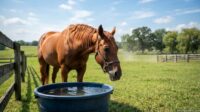
Whether your horse is in a pasture or paddock, provide access to shade.
Options include:
- Trees
- Run-in shelters
- Shade structures
Shade helps reduce direct heat exposure and supports normal cooling.
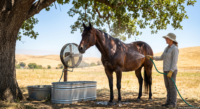
4. Improve Barn Ventilation
Good airflow helps sweat evaporate more efficiently.
Consider using:
- Barn fans
- Open windows
- Ridge vents
- Properly designed ventilation systems
Never leave horses in poorly ventilated barns during extreme heat.
5. Clip Thick Coats When Appropriate
Horses with heavy coats may struggle to dissipate heat.
Body clipping, when appropriate for the season and your horse’s workload, can improve cooling. Discuss clipping strategies with your veterinarian or experienced groom if you’re unsure.
6. Acclimate Horses Gradually
Horses need time to adapt to hot weather.
Increase workload gradually over 10-14 days rather than asking for intense exercise immediately after temperatures rise.
7. Monitor Humidity, Not Just Temperature
Humidity reduces the effectiveness of sweating.
On hot, humid days, reduce exercise intensity or postpone strenuous work altogether.
8. Use Electrolytes Wisely
Performance horses and those that sweat heavily may benefit from electrolyte supplementation.
Remember that electrolytes do not replace water-always ensure unlimited access to fresh drinking water.
Common Mistakes Horse Owners Make
Avoiding these common errors can help protect your horse.
❌ Riding During Peak Afternoon Heat
Midday temperatures place extra strain on your horse’s cooling system.
❌ Waiting Too Long to Cool the Horse
Cooling should begin as soon as heat stress is suspected.
❌ Assuming Sweating Means the Horse Is Fine
A horse can sweat heavily and still become dangerously overheated.
❌ Ignoring Humidity
Even moderate temperatures can become risky when humidity is high.
❌ Forgetting About Trailer Heat
Horse trailers can become extremely hot during summer travel. Plan trips during cooler hours and ensure good ventilation.
❌ Believing Old Myths
Myths such as “never let a hot horse drink water” or “don’t use cold water to cool a horse” have been challenged by modern research. Current veterinary guidance supports prompt cooling and access to water.
Heat Stress Prevention Checklist
✔ Fresh water available at all times
✔ Shade in pasture
✔ Good barn ventilation
✔ Ride early or late in the day
✔ Monitor weather forecasts
✔ Replace electrolytes when appropriate
✔ Gradually acclimate horses to hot weather
✔ Watch for early warning signs
✔ Allow recovery after exercise
✔ Keep your veterinarian’s contact information readily available
Can Heat Stress Cause Colic in Horses?
Yes. Heat stress can increase the risk of heat-related colic, particularly when a horse becomes dehydrated.
When a horse loses large amounts of water and electrolytes through sweating, the digestive system may slow down. Reduced water intake, electrolyte imbalances, and decreased gut movement can all contribute to colic.
Signs of Heat Colic
Watch for these symptoms:
- Pawing at the ground
- Looking at the flank
- Rolling repeatedly
- Loss of appetite
- Reduced manure production
- Increased heart rate
- Sweating without exercise
- Restlessness
Heat colic should always be treated as a veterinary emergency. Never assume it will resolve on its own.
Recovery After Heat Stress
Most horses recover fully from mild heat stress if treated promptly.
Recovery depends on:
- How quickly cooling was started
- Severity of overheating
- Hydration status
- Overall health
- Weather conditions
During Recovery
For the next 24-48 hours:
- Allow complete rest
- Provide unlimited fresh water
- Monitor temperature twice daily
- Feed normal hay unless advised otherwise
- Avoid hard exercise
- Continue observing appetite and manure production
If symptoms return, contact your veterinarian.
Summer Horse Care Tips
Following a simple summer management routine can greatly reduce the risk of heat-related illness.
Daily Checklist
✅ Check water buckets several times a day
✅ Provide shade at all times
✅ Ride during cooler hours
✅ Wash sweat off after exercise
✅ Use fans in enclosed barns
✅ Monitor humidity as well as temperature
✅ Replace electrolytes after heavy sweating
✅ Watch older horses more closely
✅ Keep fly control up to date to reduce stress
Small changes in your daily routine can make a big difference during hot weather.
Frequently Asked Questions (FAQ)
What are the symptoms of heat stress in horses?
Common symptoms include:
- Heavy sweating
- Rapid breathing
- Elevated heart rate
- High body temperature
- Weakness
- Depression
- Muscle tremors
- Poor recovery after exercise
- Loss of appetite
- Dehydration
Severe cases may progress to collapse or heat stroke.
What are the five stages of heat stress?
Although veterinary sources don’t always define the condition in five formal stages, horse owners can think of it as progressing through these levels:
- Mild overheating
- Moderate heat stress
- Heat exhaustion
- Heat stroke
- Organ failure (if untreated)
Early treatment significantly reduces the risk of serious complications.
How do you treat heat exhaustion in horses?
Treatment includes:
- Moving the horse into shade
- Applying cool water
- Scraping away warmed water and repeating
- Providing fresh drinking water
- Replacing electrolytes when appropriate
- Monitoring temperature and vital signs
- Contacting a veterinarian if symptoms persist
How can I prevent heat stress in horses?
You can reduce the risk by:
- Providing unlimited clean water
- Offering shade
- Exercising during cooler parts of the day
- Improving barn ventilation
- Using electrolytes appropriately
- Allowing horses to gradually adapt to hot weather
- Monitoring both temperature and humidity
What temperature is too hot for horses?
Risk increases once temperatures rise above 85°F (29°C), especially when humidity is high.
At temperatures above 95°F (35°C), strenuous exercise should be avoided unless conditions are carefully managed and the horse is monitored closely.
Can horses recover from heat stress?
Yes. Most horses recover completely when heat stress is recognized early and treated promptly.
Delayed treatment increases the risk of heat stroke, kidney damage, muscle injury, and other serious complications.
Should I hose a horse with cold water?
Yes. Modern veterinary recommendations support using cool or cold water to rapidly lower body temperature in overheated horses. Continue cooling until the horse’s temperature begins to return to a normal range.
Common Myths About Heat Stress
Myth: A hot horse should not drink water.
Fact: Horses should have access to fresh drinking water. Restricting water can worsen dehydration.
Myth: Only working horses get heat stress.
Fact: Horses standing in hot, humid conditions without adequate shade or water can also develop heat stress.
Myth: If a horse is sweating, it cannot be overheating.
Fact: Heavy sweating is often one of the earliest signs of heat stress.
Myth: Cloudy weather eliminates the risk.
Fact: High humidity can make cloudy days just as dangerous as sunny ones.
Expert Tips for Horse Owners
Based on current equine management practices, these habits can help keep your horse safe:
- Learn your horse’s normal temperature, heart rate, and breathing rate.
- Carry a digital thermometer in your grooming kit.
- Keep fresh water available during travel.
- Avoid asking for peak performance during heat waves.
- Give horses time to recover between workouts.
- Plan competitions and long rides around the weather forecast.
Preventive care is far easier than treating severe heat illness.
The Article Written and Reviewed by:-
Reviewed by: James Lilli – Equine Hoof Care Educator & Horse Health Writer
Experience: Over 20 years of researching equine hoof care, horse health, and practical management for owners.
Editorial Policy: Every article on TheHoofInfo.com is written using current veterinary guidance, peer-reviewed equine research, and practical horse management principles. Content is intended for educational purposes and should not replace professional veterinary advice.
Last Updated: July 2026
In Short:-
Heat stress is one of the most common warm-weather health problems affecting horses, but it’s also one of the most preventable.
By recognizing the early warning signs, acting quickly, and following good management practices, you can help your horse stay comfortable and healthy throughout the summer.
Whether you’re caring for a backyard companion, a trail horse, or a competitive athlete, paying close attention to hydration, shade, ventilation, and recovery can make all the difference.
If your horse develops severe symptoms such as collapse, confusion, seizures, or a body temperature above 105°F (40.5°C), seek emergency veterinary care immediately. Early treatment offers the best chance of a full recovery.









Leave a comment