

What Causes Laminitis in Horses? 10 Common Triggers Every Horse Owner Should Know
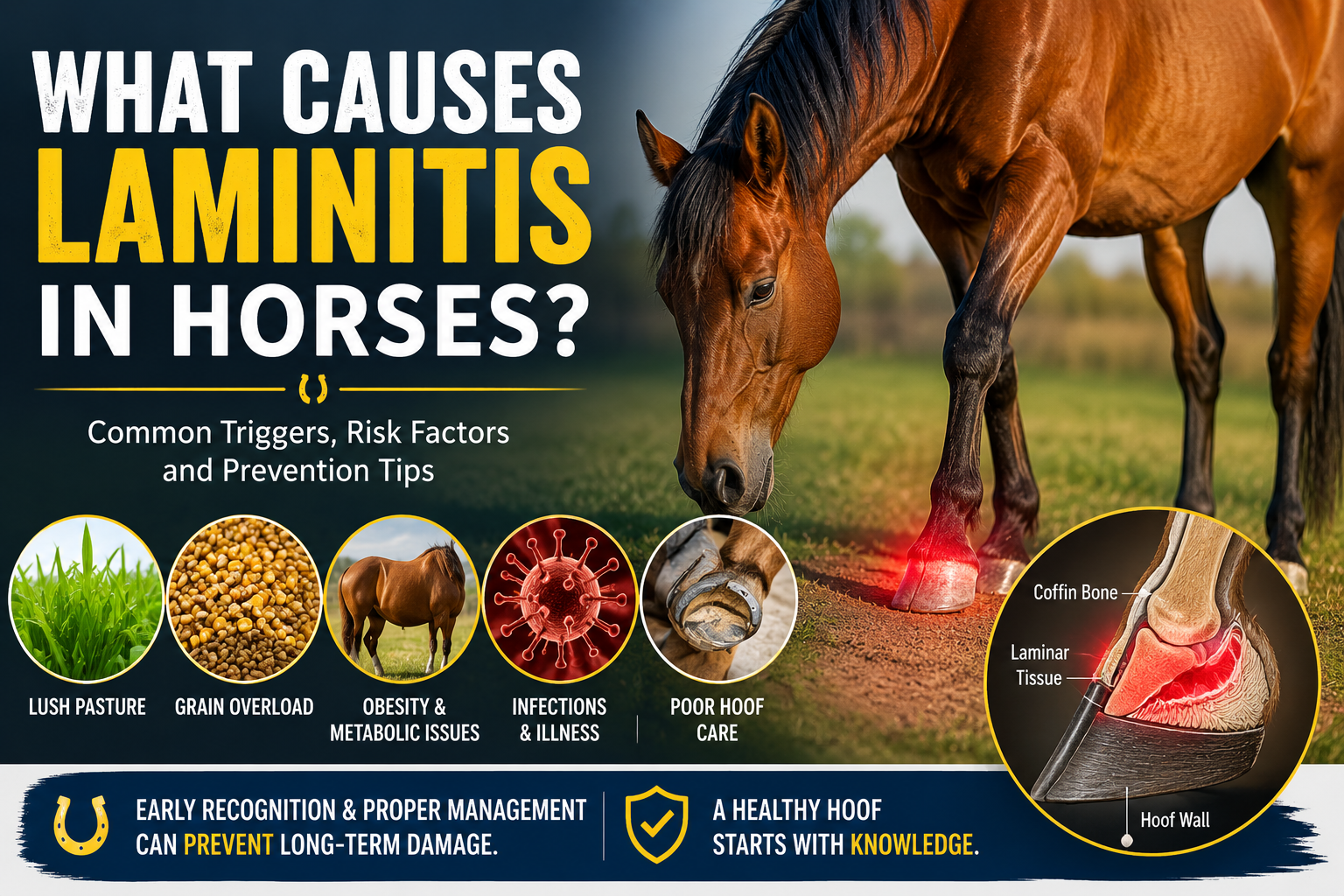
Laminitis is one of the most painful and serious hoof conditions a horse can experience. It affects the sensitive tissues (laminae) that connect the hoof wall to the coffin bone inside the hoof. When these tissues become inflamed or damaged, the bond between the hoof wall and the bone weakens. In severe cases, the coffin bone can rotate or sink, leading to permanent lameness.
The good news is that many cases of laminitis are preventable. Understanding what causes laminitis in horses is the first step toward protecting your horse’s health and avoiding long-term hoof damage.
In this guide, I’ll explain the most common causes of laminitis, early warning signs, risk factors, and practical prevention tips every horse owner should know.
What Is Laminitis?
Laminitis is an inflammatory condition affecting the laminae inside the hoof. These tiny structures act like Velcro, securely attaching the hoof wall to the coffin bone.
When inflammation develops, blood flow is disrupted, the laminae weaken, and the connection begins to fail. This is why horses with laminitis often become reluctant to walk and may shift their weight constantly to reduce pain.
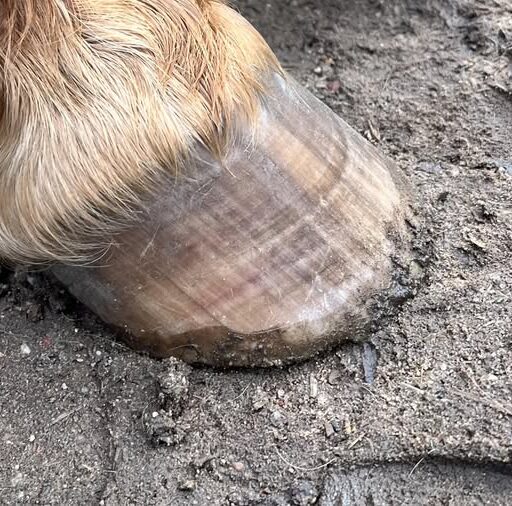
Without prompt treatment, laminitis can progress into founder, where the coffin bone rotates or sinks within the hoof capsule.
10 Common Causes of Laminitis in Horses
1. Grazing on Lush Pasture
One of the most common causes of laminitis is consuming too much lush grass.
Spring and early autumn grasses often contain high levels of sugars known as non-structural carbohydrates (NSCs). Horses that consume excessive amounts can experience insulin spikes, increasing the risk of laminitis.
This is particularly dangerous for:
- Easy keepers
- Ponies
- Overweight horses
- Horses with metabolic disorders
Restricting pasture access during high-risk periods can significantly reduce the likelihood of laminitis.
2. Grain Overload
Eating large amounts of grain is another major trigger.
If a horse accidentally gains access to a feed room or consumes excessive concentrates, the digestive system can become overwhelmed. This disrupts the balance of bacteria in the hindgut, releasing toxins that enter the bloodstream and damage the laminae.
Grain overload is considered a veterinary emergency.
3. Equine Metabolic Syndrome (EMS)
Horses with Equine Metabolic Syndrome are highly susceptible to laminitis.
EMS causes insulin dysregulation, making horses extremely sensitive to sugar and starch in their diet.
Common signs include:
- Obesity
- Fat deposits along the neck
- Fat around the tailhead
- Difficulty losing weight
Managing diet and body condition is essential for horses diagnosed with EMS.
4. Pituitary Pars Intermedia Dysfunction (PPID)
Older horses frequently develop PPID, also known as Cushing’s disease.
This hormonal disorder affects metabolism and significantly increases the risk of laminitis.
Other symptoms may include:
- Long curly coat
- Increased drinking
- Increased urination
- Muscle loss
- Recurring infections
Proper veterinary management can greatly reduce laminitis risk in affected horses.
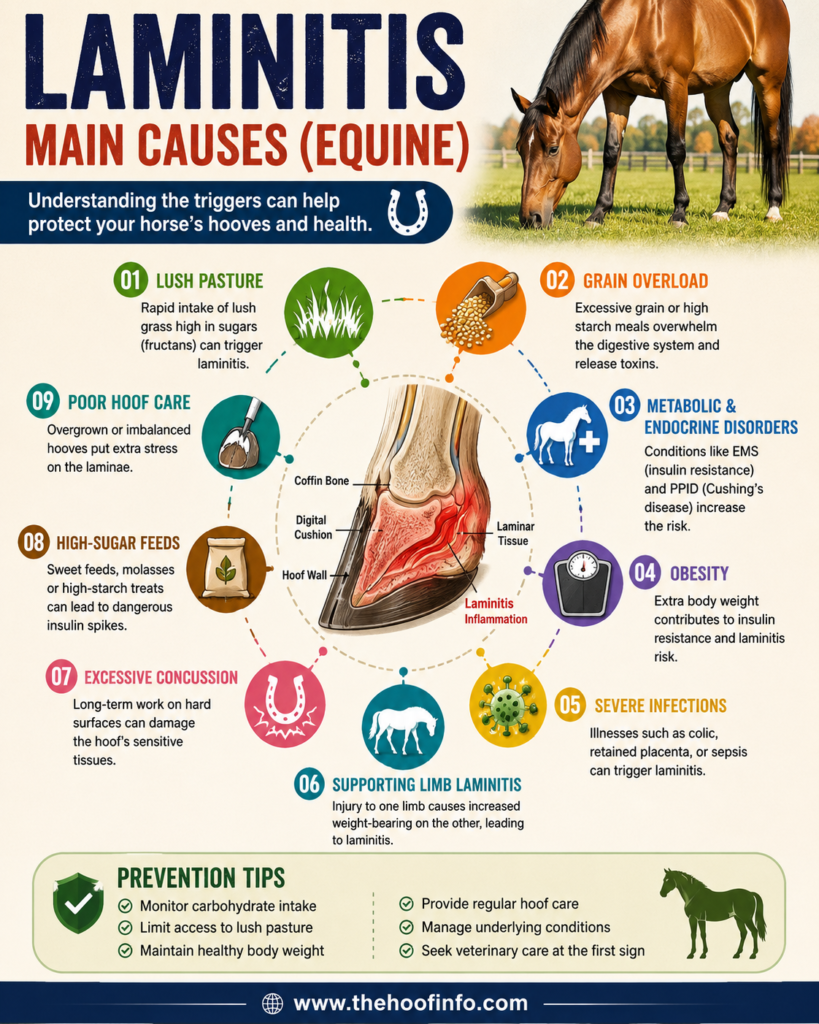
5. Obesity
Excess body weight places additional stress on the feet and is closely linked to insulin resistance.
Many horse owners underestimate their horse’s body condition. Even a few extra kilograms can increase laminitis risk, especially in easy-keeping breeds.
Maintaining a healthy weight through controlled feeding and regular exercise is one of the best preventive measures.
6. Severe Infections
Systemic illnesses can also trigger laminitis.
Conditions such as:
- Retained placenta
- Colic
- Pneumonia
- Severe diarrhea
- Bloodstream infections
can release inflammatory toxins that damage the hoof’s sensitive tissues.
These horses require immediate veterinary attention to minimize complications.
7. Supporting Limb Laminitis
When a horse suffers a severe injury to one leg, it often places excessive weight on the opposite limb.
Over time, the overloaded hoof experiences reduced circulation and increased mechanical stress, which can lead to supporting limb laminitis.
This condition is commonly seen following fractures or serious tendon injuries.
8. Excessive Concussion
Repeated work on hard surfaces can contribute to laminitis in some horses.
Although less common than metabolic causes, excessive concussion during:
- Road riding
- Endurance events
- Hard-packed arenas
may damage the sensitive structures within the hoof.
Using appropriate footing and maintaining balanced hoof care helps reduce this risk.
9. High-Sugar Feeds
Feeds containing excessive sugar or starch can contribute to insulin spikes, especially in horses already prone to laminitis.
Common high-risk feeds include:
- Sweet feed
- Molasses-rich products
- Large grain meals
- Some commercial treats
Instead, choose forage-based diets and low-NSC feeds when recommended by your veterinarian.
10. Poor Hoof Care
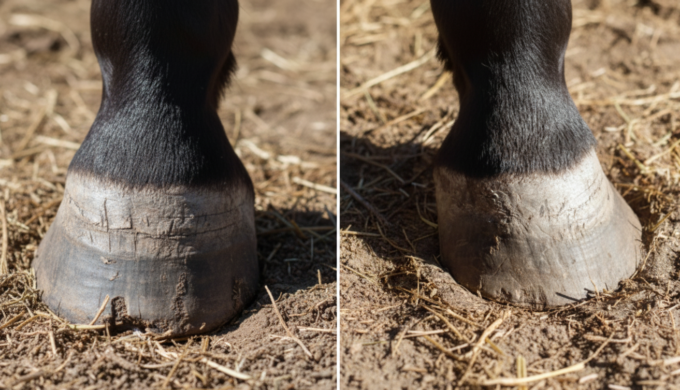
While poor hoof care alone rarely causes laminitis, neglected hooves can worsen existing problems.
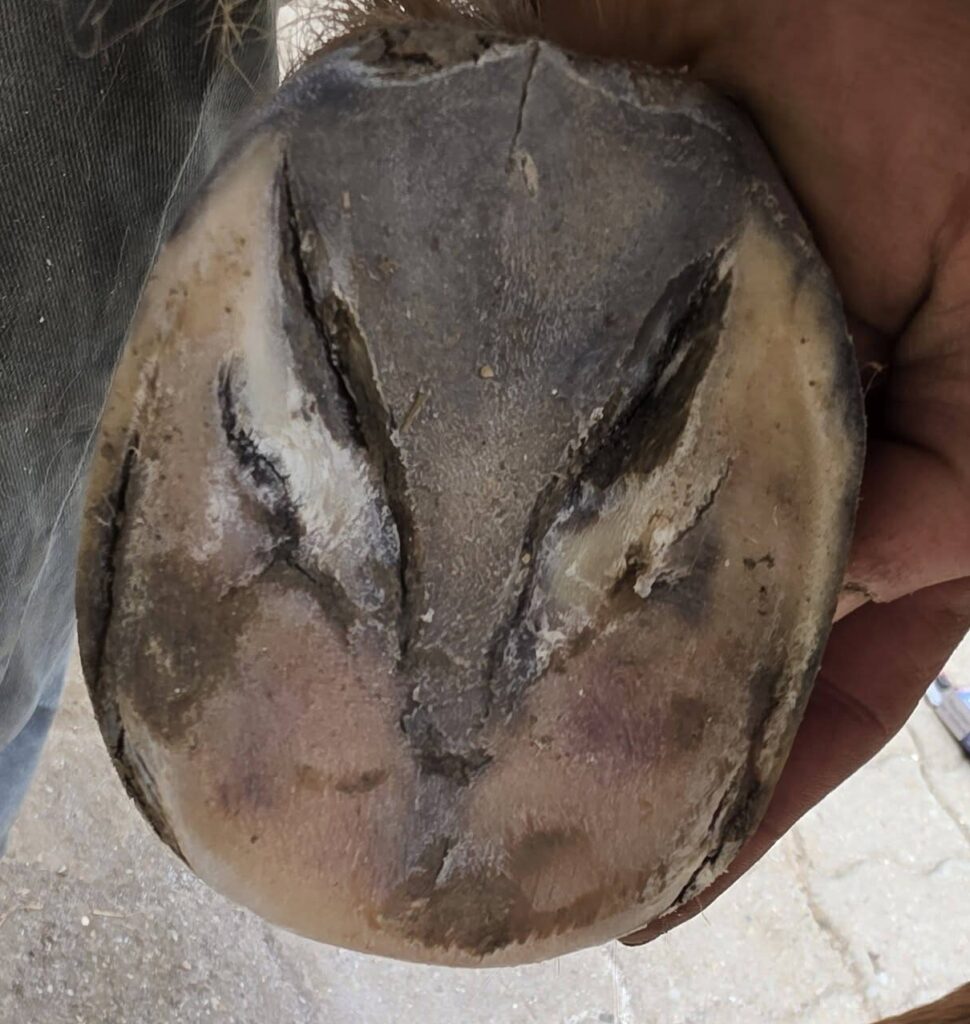
Regular trimming helps maintain proper hoof balance and reduces stress on the laminae.
Most horses benefit from trimming every 4 to 8 weeks, depending on growth rate and individual needs.
Equine Supplements for Laminitis?
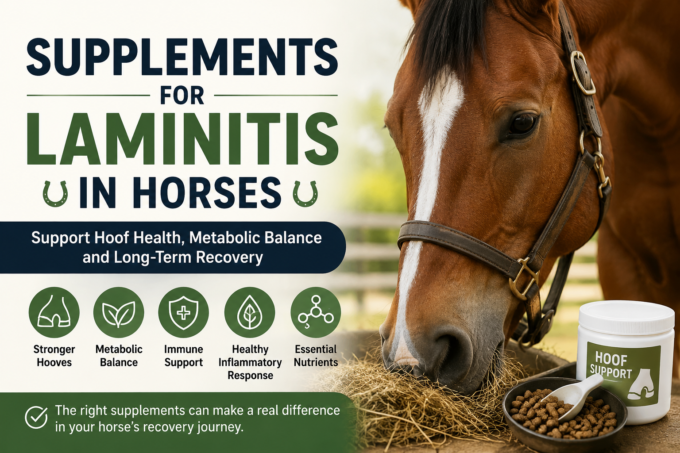
While no supplement can cure laminitis, certain equine supplements may help support hoof health and overall metabolic function when used alongside a balanced diet, proper hoof care, and veterinary treatment. Supplements should never replace professional veterinary advice, but they can play a supportive role in a comprehensive management plan.
Some of the most commonly recommended ingredients in supplements for horses prone to laminitis include:
- Biotin – Supports healthy hoof horn growth and may improve hoof quality over time.
- Methionine and Lysine – Essential amino acids that help build strong hoof tissue.
- Zinc and Copper – Important minerals involved in hoof strength and repair.
- Omega-3 Fatty Acids – May help support a normal inflammatory response.
- Magnesium – Sometimes included in diets for horses with metabolic concerns, although supplementation should be based on your veterinarian’s recommendation.
- Vitamin E – An antioxidant that supports overall health, particularly in horses with limited access to fresh pasture.
If your horse has Equine Metabolic Syndrome (EMS) or PPID (Cushing’s disease), speak with your veterinarian before adding supplements. The most effective approach is to combine targeted supplementation with weight management, a low-NSC diet, regular hoof trimming, and appropriate exercise.
Which Horses Are Most at Risk?
Some horses are naturally more susceptible than others.
Higher-risk horses include:
- Ponies
- Miniature horses
- Easy keepers
- Overweight horses
- Horses with EMS
- Horses with PPID
- Horses recovering from severe illness
- Horses with previous episodes of laminitis
If your horse falls into one of these categories, proactive management is especially important.
Early Signs of Laminitis
Recognizing laminitis early can make a significant difference in recovery.
Watch for signs such as:
- Reluctance to walk
- Short, stiff strides
- Frequent weight shifting
- Increased digital pulse
- Warm hooves
- Standing with front feet stretched forward
- Difficulty turning
- Lying down more than usual
Never ignore these symptoms. Contact your veterinarian immediately if you suspect laminitis.
How to Prevent Laminitis
Prevention is far easier than treating advanced laminitis.
Simple management practices include:
- Maintain a healthy body weight.
- Avoid sudden diet changes.
- Limit access to lush pasture during high-risk seasons.
- Feed low-NSC forage when appropriate.
- Schedule regular hoof trimming.
- Provide consistent exercise for healthy horses.
- Monitor horses with EMS or PPID closely.
- Work with your veterinarian on weight management plans.
Small adjustments in daily care can dramatically reduce the likelihood of future episodes.
When Should You Call a Veterinarian?
Laminitis is always a medical concern.
Seek veterinary care immediately if your horse:
- Suddenly becomes lame without obvious injury.
- Refuses to walk.
- Has noticeably warm hooves.
- Shows a strong digital pulse.
- Adopts the classic “leaning back” stance.
- Appears painful after overeating grain.
Early diagnosis and treatment offer the best chance of recovery and reduce the risk of permanent hoof damage.
Can Laminitis Be Reversed?
The answer depends on how early the condition is recognized.
In mild cases diagnosed quickly, inflammation can often be controlled before permanent damage occurs.
More advanced cases involving coffin bone rotation require long-term management and may never fully return to normal.
Successful recovery typically involves:
- Veterinary treatment
- Corrective hoof trimming
- Pain management
- Dietary adjustments
- Controlled exercise when appropriate
- Regular monitoring
Every horse is different, so recovery time can vary from weeks to several months.
How to Trim Hooves for Laminitis Horses (Step-by-Step Guide for Safe Recovery)
Frequently Asked Questions
What is the most common cause of laminitis in horses?
The most common causes are grazing on lush, high-sugar pasture and metabolic conditions such as Equine Metabolic Syndrome (EMS), which affect insulin regulation.
Can healthy horses get laminitis?
Yes. While overweight horses and those with metabolic disorders are at greater risk, any horse can develop laminitis under certain conditions, such as grain overload, severe infection, or supporting-limb injuries.
Does too much grass cause laminitis?
Yes. Spring and autumn grasses often contain high levels of sugar, which can trigger laminitis in susceptible horses.
Is laminitis an emergency?
Yes. Laminitis should always be treated as an emergency. Early veterinary intervention improves the chances of recovery and helps prevent permanent damage to the hoof.
Can laminitis be prevented?
Many cases can be prevented by maintaining a healthy weight, feeding a balanced low-NSC diet when appropriate, limiting access to lush pasture, scheduling regular hoof care, and managing underlying conditions such as EMS or PPID.
In Short:-
Understanding what causes laminitis in horses empowers owners to make better management decisions and protect their horse’s long-term health. While factors such as lush pasture, obesity, metabolic disorders, grain overload, and severe illness are among the most common triggers, many cases can be prevented through careful feeding, routine hoof care, and regular veterinary checkups.
If you notice early signs such as stiffness, warm hooves, or reluctance to move, don’t wait. Prompt veterinary attention can significantly improve the outcome and reduce the risk of permanent hoof damage.
By staying proactive and addressing risk factors before they become serious, you can help your horse remain comfortable, sound, and active for years to come.
You May Also Read:-
- Early Signs of Laminitis in Horses
- Treatment for Equine Laminitis
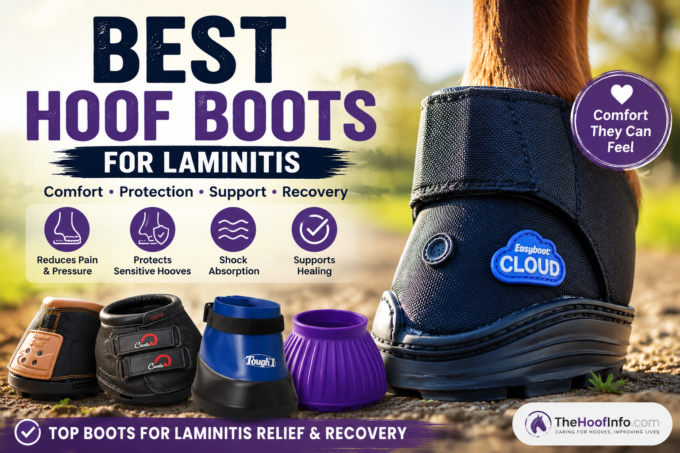
- Best Hoof Boots for Laminitis
- Laminitis Recovery Timeline
- Founder in Horses Treatment
- Best Feed for Horses With Laminitis



Leave a comment