

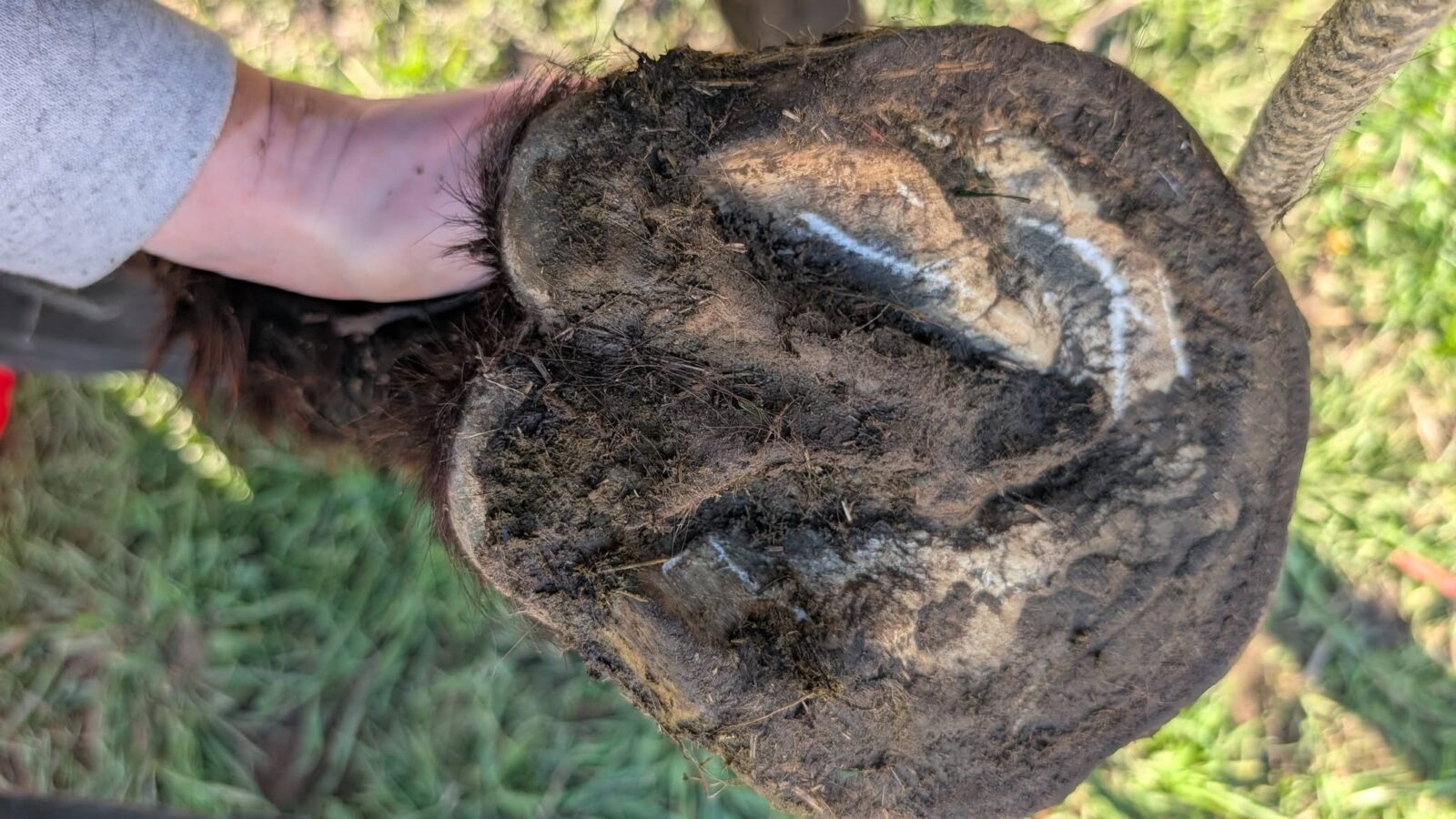
Farrier Mistakes That Cause Hoof Abscesses
A hoof abscess can turn a sound horse into a three-legged cripple almost overnight. One day your horse is moving comfortably, and the next day they’re reluctant to put weight on a foot. It’s one of the most common hoof problems horse owners face, and it’s also one of the most frustrating.
While wet conditions, bruising, and bacterial invasion are common causes, many horse owners are surprised to learn that trimming and shoeing mistakes can sometimes contribute to abscess formation.
That doesn’t mean every abscess is the farrier’s fault. Farriery is skilled work, and even the best professionals occasionally deal with horses that develop abscesses. However, certain trimming and shoeing practices can increase the risk.
Over the years, I’ve seen abscesses develop after aggressive trims, neglected hoof defects, and poor hoof balance. Understanding these mistakes can help horse owners make better decisions and recognize potential problems before they become serious.
What Is a Hoof Abscess?
A hoof abscess is a pocket of infection trapped inside the hoof capsule. As pressure builds, the horse often becomes suddenly lame.
The pain can be dramatic. Some horses appear to have a serious leg injury when the real problem is a small abscess hidden inside the hoof.
Most abscesses eventually find a way to drain, either through the sole or near the coronary band. Once pressure is relieved, many horses improve quickly.
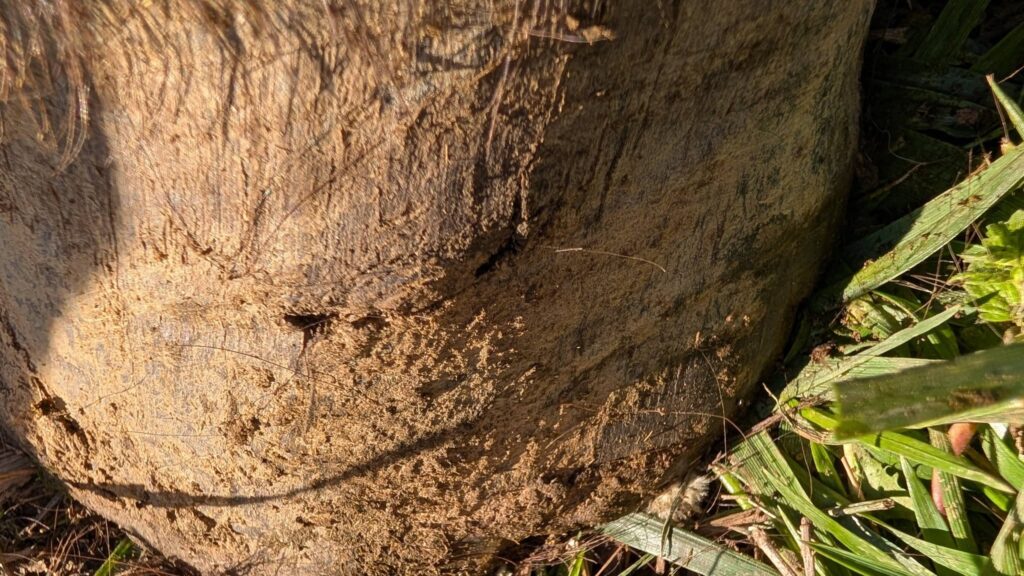
Can Poor Farrier Work Cause a Hoof Abscess?
Sometimes.
Farrier work doesn’t directly create bacteria, but improper trimming or shoeing can weaken the hoof’s natural defenses and create pathways for bacteria to enter.
Think of the hoof as a protective shell. When that shell becomes compromised through excessive trimming, poor balance, or neglected defects, the risk of infection increases.
The goal isn’t to blame the farrier. The goal is understanding what can go wrong so horse owners can work with qualified professionals to keep hooves healthy.
What Are the Most Common Farrier Mistakes That Cause Hoof Abscesses?
Mistake #1: Removing Too Much Sole
This is one of the most common mistakes associated with abscess development.
The sole acts as a protective barrier between the ground and sensitive internal structures. When excessive sole is removed, the hoof becomes more vulnerable to bruising and bacterial invasion.
I’ve seen horses leave a trim looking neat and tidy, only to become sore a few days later because too much protective sole was removed.
Healthy sole should not be aggressively carved away for appearance alone.
Real Case
A Quarter Horse gelding developed severe lameness within a week of trimming. Examination revealed significant sole thinning. A solar abscess later emerged near the toe, exactly where the sole had been excessively pared.
Mistake #2: Aggressive Frog Trimming
The frog is often misunderstood.
Some people believe the frog should be trimmed into a perfectly clean, narrow shape. In reality, the frog plays an important role in shock absorption, circulation, and hoof function.
Over-trimming the frog can expose sensitive tissue and create entry points for bacteria.
A healthy frog doesn’t need to be sculpted. It needs to function.
Real Case
A trail horse developed a painful central sulcus infection after an aggressive frog trim removed too much protective material. The infection eventually progressed deeper into the hoof and contributed to abscess formation.
Mistake #3: Driving Nails Too Close to Sensitive Structures
Shoeing errors occasionally result in what’s commonly called a “close nail” or “nail bind.”
When a nail is placed too close to sensitive tissues, irritation and infection can develop.
Sometimes the horse reacts immediately during shoeing. Other times, signs don’t appear for several days.
This is one reason horse owners should monitor their horse carefully after new shoes are applied.
Warning Signs
- Sudden lameness after shoeing
- Increased heat in the hoof
- Strong digital pulse
- Reluctance to bear weight
- Sensitivity around nail holes
Prompt attention often prevents a minor problem from becoming a serious abscess.
Mistake #4: Leaving Long Toes and Underrun Heels
Abscesses aren’t always linked to what was removed from the hoof. Sometimes they’re linked to what wasn’t corrected.
Long toes place excessive stress on the white line and internal hoof structures. Over time, separation can occur between the hoof wall and underlying tissues.
Once that separation develops, dirt, moisture, and bacteria can work their way inside.
The longer the problem continues, the greater the risk becomes.
Real Case
A hunter-jumper mare suffered recurring abscesses in the same front foot. Closer examination revealed significant toe length and stretched white line separation. Corrective trimming improved hoof balance and eliminated future abscess episodes.
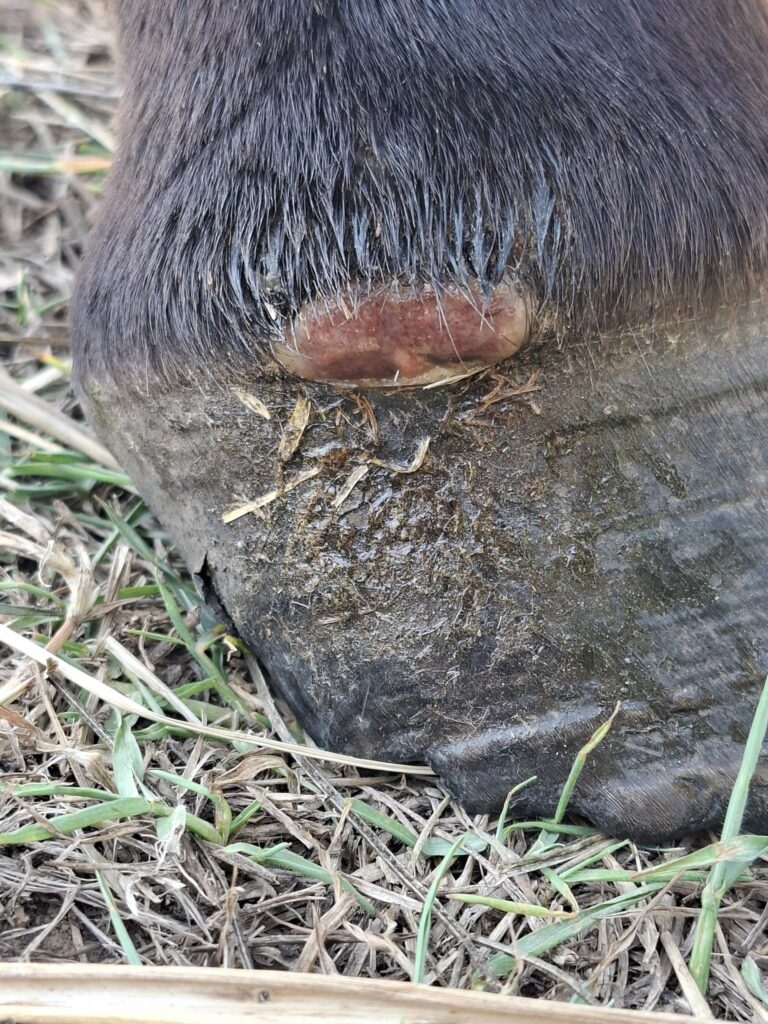
Mistake #5: Ignoring White Line Separation
White line separation is never something to ignore.
Even a small separation can act like an open doorway for bacteria and debris.
Many recurring abscesses begin with a stretched white line that goes untreated for months.
Horse owners often focus on visible cracks while missing the more important problem hiding underneath.
What To Watch For
- Crumbly white line material
- Dark gaps along the sole-wall junction
- Persistent hoof cracks
- Recurring abscesses in the same area
- Hollow sounds when tapping the hoof wall
Addressing white line issues early can prevent bigger problems later.
Mistake #6: Poor Hoof Balance
A balanced hoof distributes weight evenly.
An unbalanced hoof places excessive stress on specific regions of the foot. Those overloaded areas become more vulnerable to bruising, separation, and abscess formation.
Hoof balance isn’t about making every hoof look identical.
It’s about creating symmetry and support based on the individual horse.
When one side of the hoof bears more weight than the other, problems eventually follow.
Real Case
A dressage horse repeatedly developed abscesses in the lateral quarter. Evaluation revealed a consistent imbalance that overloaded one side of the foot. After corrective trimming, the abscess cycle stopped.
Mistake #7: Stretching Trim Cycles Too Long
Even excellent trimming can’t compensate for irregular maintenance.
Allowing a horse to go too long between trims often creates:
- Long toes
- Flaring walls
- White line stretching
- Hoof imbalance
- Increased mechanical stress
All of these conditions can contribute to abscess formation.
Many horse owners are surprised to discover that waiting a few extra weeks between appointments can dramatically affect hoof health.
Most horses benefit from a trim schedule somewhere between four and eight weeks, depending on growth rate, workload, and environment.
Real Case
An older gelding routinely went twelve weeks between trims. Significant flaring and white line stretching developed. Within months, the horse experienced two separate abscess episodes. Returning to a regular trim schedule greatly improved hoof quality.
How To Tell If an Abscess Is Related to Trimming
Not every abscess develops because of farrier work.
Environmental conditions often play a major role.
However, certain clues may suggest a connection:
- Lameness appears shortly after trimming
- Excessive sole removal is visible
- Frog tissue appears over-trimmed
- Nail placement looks questionable
- The horse was comfortable before the appointment
- Hoof balance appears uneven afterward
A veterinarian and experienced farrier can usually determine whether trimming contributed to the problem.
How Horse Owners Can Reduce Abscess Risk
Preventing abscesses starts with consistent hoof care.
Maintain a Regular Farrier Schedule
Waiting too long between appointments creates many of the conditions that encourage abscess formation.
Pick Out Hooves Daily
Regular cleaning helps identify:
- Stones
- Thrush
- White line separation
- Cracks
- Foreign objects
Small problems are easier to manage than major infections.
Keep Living Areas Clean
Wet, muddy environments soften hooves and encourage bacterial growth.
Good drainage and clean footing help maintain stronger hooves.
Address Thrush Early
Thrush may seem minor at first, but deep infections can weaken hoof structures and increase abscess risk.
Support Hoof Health Through Nutrition
Strong hoof horn starts from the inside out.
Balanced nutrition, adequate minerals, quality protein, and proper management all contribute to healthier feet.
Frequently Asked Questions About Farrier Mistakes That Cause Hoof Abscesses
Can a bad trim cause a hoof abscess?
Yes, in some cases. Removing too much sole, creating hoof imbalance, or exposing sensitive structures can increase the risk of bruising and bacterial invasion. However, not every hoof abscess is caused by a poor trim. Environmental conditions, white line disease, and hoof injuries can also play a role.
How soon can a hoof abscess appear after a farrier visit?
A hoof abscess may develop within a few days or even several weeks after a trim or shoeing appointment. The timing depends on the underlying cause, the horse’s hoof condition, and whether bacteria are able to enter damaged or weakened areas of the hoof.
Can shoeing mistakes lead to hoof abscesses?
Yes. Nails placed too close to sensitive tissues can create irritation and infection. Poor shoe fit, excessive pressure, or neglected hoof balance can also contribute to conditions that increase the likelihood of an abscess developing.
What are the signs of a hoof abscess after trimming?
Common signs include sudden lameness, increased digital pulse, heat in the hoof, sensitivity when the foot is handled, and reluctance to bear weight. Some horses may appear severely lame even when the abscess is relatively small.
Does removing too much sole cause hoof abscesses?
Removing excessive sole can leave the hoof vulnerable to bruising and infection. The sole acts as a natural protective layer, and thinning it too aggressively may increase the risk of abscess formation, especially on hard or rocky ground.
Can white line separation lead to recurring hoof abscesses?
Absolutely. White line separation creates a pathway for dirt, moisture, and bacteria to enter the hoof. If left untreated, it can become a recurring source of infection and repeated abscesses.
How often should horses be trimmed to reduce abscess risk?
Most horses benefit from a trimming schedule of every 4 to 8 weeks, depending on hoof growth, workload, and environmental conditions. Consistent hoof care helps maintain balance and reduces stress on the hoof capsule.
Are hoof abscesses always the farrier’s fault?
No. Hoof abscesses are usually caused by multiple factors. Wet conditions, sole bruising, poor hoof hygiene, white line disease, and injuries can all contribute. While certain farrier mistakes may increase risk, many abscesses occur despite proper hoof care.
How can horse owners help prevent hoof abscesses?
Horse owners can reduce abscess risk by maintaining regular farrier appointments, picking out hooves daily, addressing thrush promptly, providing balanced nutrition, and monitoring for cracks, white line separation, or changes in hoof quality.
When should I call a veterinarian for a hoof abscess?
Contact a veterinarian if your horse has severe lameness, swelling above the hoof, persistent pain, fever, or if the abscess does not improve after drainage. Veterinary evaluation is also recommended when the cause of lameness is uncertain.
Does my horse have an abscess?
A hoof abscess is one of the most common causes of sudden lameness in horses. If your horse was moving normally and then suddenly becomes severely lame, a hoof abscess may be the cause.
Common signs of a hoof abscess include:
- Sudden onset of lameness
- Reluctance to bear weight on one foot
- Heat in the hoof
- A strong or “bounding” digital pulse
- Sensitivity when the hoof is picked up or cleaned
- Swelling around the pastern or lower leg in some cases
Many horses with a hoof abscess appear much more lame than the actual problem would suggest. It’s not unusual for owners to suspect a serious injury before discovering that an abscess is causing the pain.
However, other conditions such as sole bruises, fractures, laminitis, tendon injuries, or hoof puncture wounds can produce similar symptoms. If you’re unsure of the cause or your horse is experiencing severe pain, contact your veterinarian or farrier for an accurate diagnosis.
Early treatment often helps the abscess drain more quickly and can reduce your horse’s discomfort.
When It Might Not Be an Abscess
A hoof abscess is often the first thing horse owners think of when a horse suddenly becomes lame. While abscesses are common, they’re not the only cause of severe foot pain.
Several conditions can produce symptoms that look very similar to an abscess, including heat in the hoof, a strong digital pulse, and reluctance to bear weight.
Sole Bruising
A stone bruise or sole bruise can cause significant discomfort, especially on horses with thin soles. The horse may become sore after working on rocky ground or hard surfaces.
Unlike an abscess, a bruise does not involve a pocket of infection, although a severe bruise can sometimes develop into an abscess later.
Laminitis
Laminitis can cause heat in the feet, a strong digital pulse, and difficulty walking. In some cases, owners initially mistake early laminitis for an abscess.
However, laminitis often affects more than one foot and may be accompanied by a characteristic stance where the horse shifts weight backward to relieve pressure on the front feet.
Hoof Cracks
Deep hoof cracks can become painful and lead to lameness, particularly if they extend into sensitive tissue.
Cracks may also allow bacteria to enter the hoof, increasing the risk of infection and future abscess formation.
Puncture Wounds
A nail, sharp stone, piece of wire, or other foreign object can penetrate the hoof and cause sudden lameness.
Puncture wounds should always be treated as a veterinary emergency because they can introduce infection into sensitive structures within the foot.
Tendon or Ligament Injuries
Not all lameness originates in the hoof. Soft tissue injuries in the lower limb can sometimes mimic the symptoms of a hoof abscess.
If hoof testers fail to locate a painful area within the foot, your veterinarian may investigate other causes of lameness.
Fractures and Joint Problems
Although less common, fractures, arthritis, and joint injuries can also cause severe lameness.
These conditions require prompt veterinary evaluation and should never be assumed to be an abscess without proper examination.
When to Call a Veterinarian
If your horse is unable to bear weight, develops swelling above the hoof, has a fever, or remains severely lame for more than a day or two, contact your veterinarian.
While many hoof abscesses resolve successfully with appropriate treatment, a professional diagnosis helps ensure that more serious conditions are not overlooked.
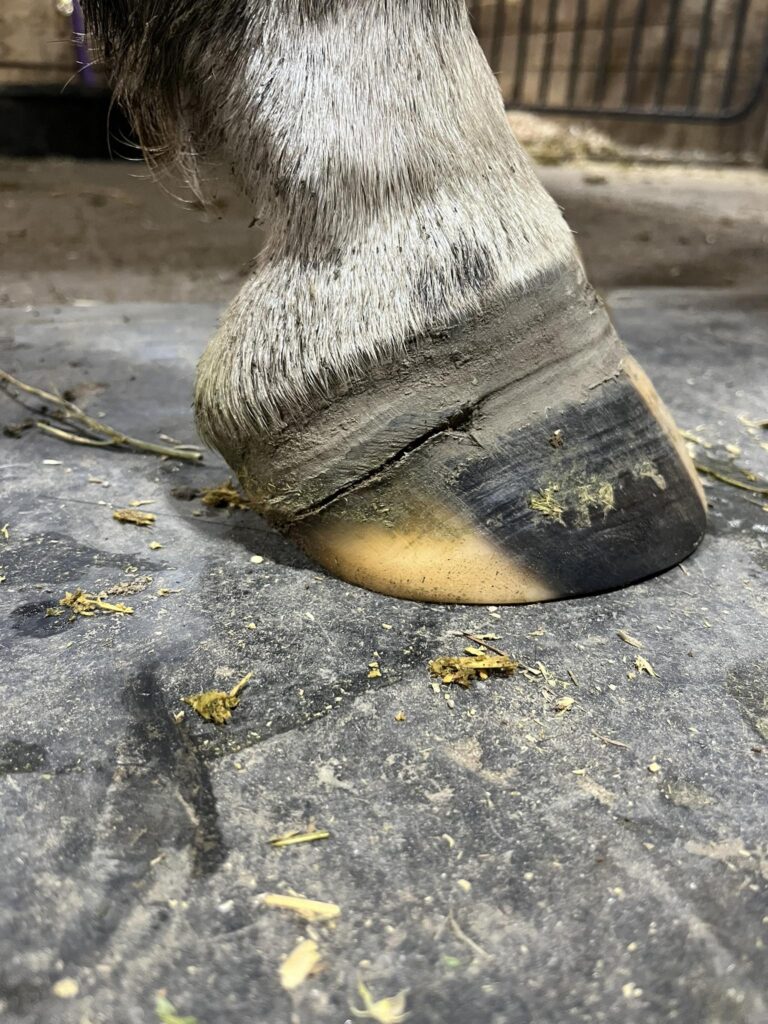
What To Do If Your Horse Gets an Abscess
Few hoof problems cause as much concern as a sudden abscess. One day your horse is moving comfortably, and the next day they’re barely willing to put weight on a foot.
While hoof abscesses can be painful, most horses recover well when the problem is identified and treated promptly.
If you suspect your horse has an abscess, here’s what you should do.
1. Stay Calm and Assess the Situation
Severe lameness does not always mean a serious injury. Many horses with hoof abscesses appear far more uncomfortable than the actual condition would suggest.
Check for:
- Heat in the hoof
- A strong digital pulse
- Swelling around the pastern or lower leg
- Sensitivity when handling the foot
- Sudden onset of lameness
Make note of any recent trimming, shoeing, turnout changes, or injuries that may provide clues about the cause.
2. Contact Your Farrier or Veterinarian
A qualified farrier or veterinarian can often locate the source of pain and determine whether an abscess is present.
Prompt evaluation is especially important if:
- Your horse refuses to bear weight on the limb
- Swelling extends above the hoof
- A puncture wound is suspected
- The horse develops a fever
- The cause of lameness is unclear
Early treatment often shortens recovery time and reduces discomfort.
3. Keep the Hoof Clean
Clean the hoof thoroughly and remove any packed mud, manure, or debris.
Good hoof hygiene helps reduce contamination and allows you to monitor changes more easily during treatment.
4. Follow Your Veterinarian’s or Farrier’s Treatment Plan
Treatment may include:
- Locating and draining the abscess
- Protective bandaging
- Hoof boots
- Poulticing when appropriate
- Temporary changes in exercise or turnout
Avoid experimenting with multiple home remedies at the same time. Consistent treatment is usually more effective than constantly changing approaches.
5. Monitor the Horse Daily
Keep a close eye on:
- Lameness levels
- Drainage
- Heat in the hoof
- Swelling
- Overall comfort
Most horses show noticeable improvement once pressure is relieved, but continued monitoring helps identify any complications early.
6. Address the Cause of the Abscess
The abscess itself is only part of the problem.
Take time to identify possible contributing factors, such as:
- White line separation
- Thrush
- Excessively wet conditions
- Sole bruising
- Long trim intervals
- Hoof wall cracks
Correcting these issues helps reduce the likelihood of future abscesses.
7. Return to Work Gradually
Once your horse is sound and your farrier or veterinarian is satisfied with healing, gradually return to normal activity.
Rushing back into hard work too soon may irritate sensitive tissues that are still recovering.
Recovery Outlook
Most uncomplicated hoof abscesses heal completely and leave no lasting effects. The key is early recognition, proper treatment, and addressing any hoof care issues that may have contributed to the problem.
While abscesses are frustrating, they also provide an opportunity to take a closer look at your horse’s hoof health and make improvements that can help prevent future issues.
A quality hoof boot can help keep the affected foot clean while providing additional comfort during recovery.
Simple Hoof Care Checklist to Prevent Abscesses
Preventing hoof abscesses often comes down to consistent daily care rather than one big change. Use this simple checklist to help keep your horse’s feet healthy throughout the year.
Daily
✓ Pick out all four hooves and remove dirt, stones, and debris.
✓ Check for foul odors, black discharge, or signs of thrush.
✓ Look for new cracks, chips, or areas of hoof wall damage.
✓ Watch your horse walk and note any signs of soreness or uneven movement.
Weekly
✓ Inspect the white line for stretching, separation, or trapped debris.
✓ Check the frog for deep cracks or signs of infection.
✓ Examine shoes for loose nails or shifting.
✓ Monitor hoof condition during wet or muddy weather.
Every Farrier Visit
✓ Discuss any recent lameness or hoof concerns.
✓ Ask your farrier about hoof balance and overall hoof health.
✓ Check for white line separation, bruising, or excessive wear.
✓ Schedule the next appointment before leaving to maintain a consistent trim cycle.
Year-Round Management
✓ Maintain clean, dry turnout areas whenever possible.
✓ Avoid prolonged exposure to deep mud and standing water.
✓ Feed a balanced diet that supports healthy hoof growth.
✓ Address thrush and minor hoof problems before they become serious.
✓ Work with a qualified farrier and veterinarian when hoof issues arise.
Red Flags That Need Immediate Attention
Contact your farrier or veterinarian if you notice:
- Sudden severe lameness
- A strong digital pulse
- Heat in the hoof
- Swelling above the hoof
- Drainage from the sole or coronary band
- A hoof crack that suddenly worsens
Catching problems early is often the difference between a minor setback and weeks of lost riding time. A few minutes spent checking your horse’s feet each day can go a long way toward preventing painful hoof abscesses.
Mistakes Owners Make During Abscess Treatment
Finding a hoof abscess can be stressful, especially when your horse is suddenly lame. Most owners want to help their horse feel better as quickly as possible. Unfortunately, good intentions can sometimes lead to mistakes that delay healing or create additional problems.
Here are some of the most common mistakes I see during abscess treatment.
Waiting Too Long to Seek Help
Some abscesses eventually drain on their own, but waiting too long can prolong your horse’s discomfort.
If your horse is severely lame, unwilling to bear weight, or showing signs of significant pain, contact your farrier or veterinarian. Early diagnosis often leads to faster relief and a quicker recovery.
Digging Excessively Into the Sole
Owners sometimes try to locate and drain an abscess themselves by cutting into the sole.
This can create a larger wound, increase the risk of infection, and remove healthy hoof tissue that the horse needs for protection.
Locating an abscess requires experience and should generally be left to a qualified farrier or veterinarian.
Stopping Treatment Too Soon
Many horses become noticeably more comfortable once an abscess begins to drain. While this is a positive sign, it doesn’t always mean the problem has completely resolved.
Stopping treatment too early may allow infection to persist and increase the chance of recurring issues.
Follow the treatment plan recommended by your veterinarian or farrier until healing is complete.
Ignoring the Underlying Cause
The abscess itself is often only part of the story.
If white line separation, thrush, poor hoof balance, long trim intervals, or environmental conditions contributed to the abscess, those issues should also be addressed.
Otherwise, another abscess may develop in the future.
Keeping the Hoof Constantly Wet
Soaking can be useful in certain situations, especially during the early stages of treatment.
However, keeping the hoof continuously wet for extended periods can soften hoof horn and weaken the foot.
Always follow your veterinarian’s or farrier’s recommendations regarding soaking and bandaging.
Returning to Work Too Quickly
Just because a horse appears sound does not always mean the hoof has fully healed.
Large drainage tracts, bruising, or underlying hoof damage may still need time to recover.
Gradually return your horse to normal work and monitor for any signs of renewed soreness.
Failing to Monitor for Complications
Most hoof abscesses heal without major issues, but complications can occur.
Watch for:
- Persistent drainage
- Increased swelling
- Fever
- Worsening lameness
- New areas of hoof wall separation
If any of these signs develop, contact your veterinarian promptly.
The Bottom Line
Treating the abscess is important, but preventing the next one is equally important. Successful recovery involves more than simply draining infection. It means identifying why the abscess formed in the first place and taking steps to improve long-term hoof health.
Consistent farrier care, good hoof hygiene, proper nutrition, and early attention to small hoof problems remain the best defenses against future abscesses.
In Short:-
Most hoof abscesses are preventable.
While weather, terrain, and bad luck sometimes play a role, many abscesses develop because small hoof problems are allowed to grow into larger ones.
Excessive sole removal, aggressive frog trimming, poor balance, white line neglect, and irregular trim schedules can all increase the likelihood of abscess formation.
Horse owners don’t need to become farriers, but understanding these common mistakes helps you become a better advocate for your horse’s hoof health.
A healthy hoof is rarely the result of one big decision. It’s usually the result of dozens of small, consistent choices made over time.
white-line-disease-treatment-in-horses
White Line Disease Treatment in Horses (Complete Guide from First Signs to Full Recovery)




Leave a comment