

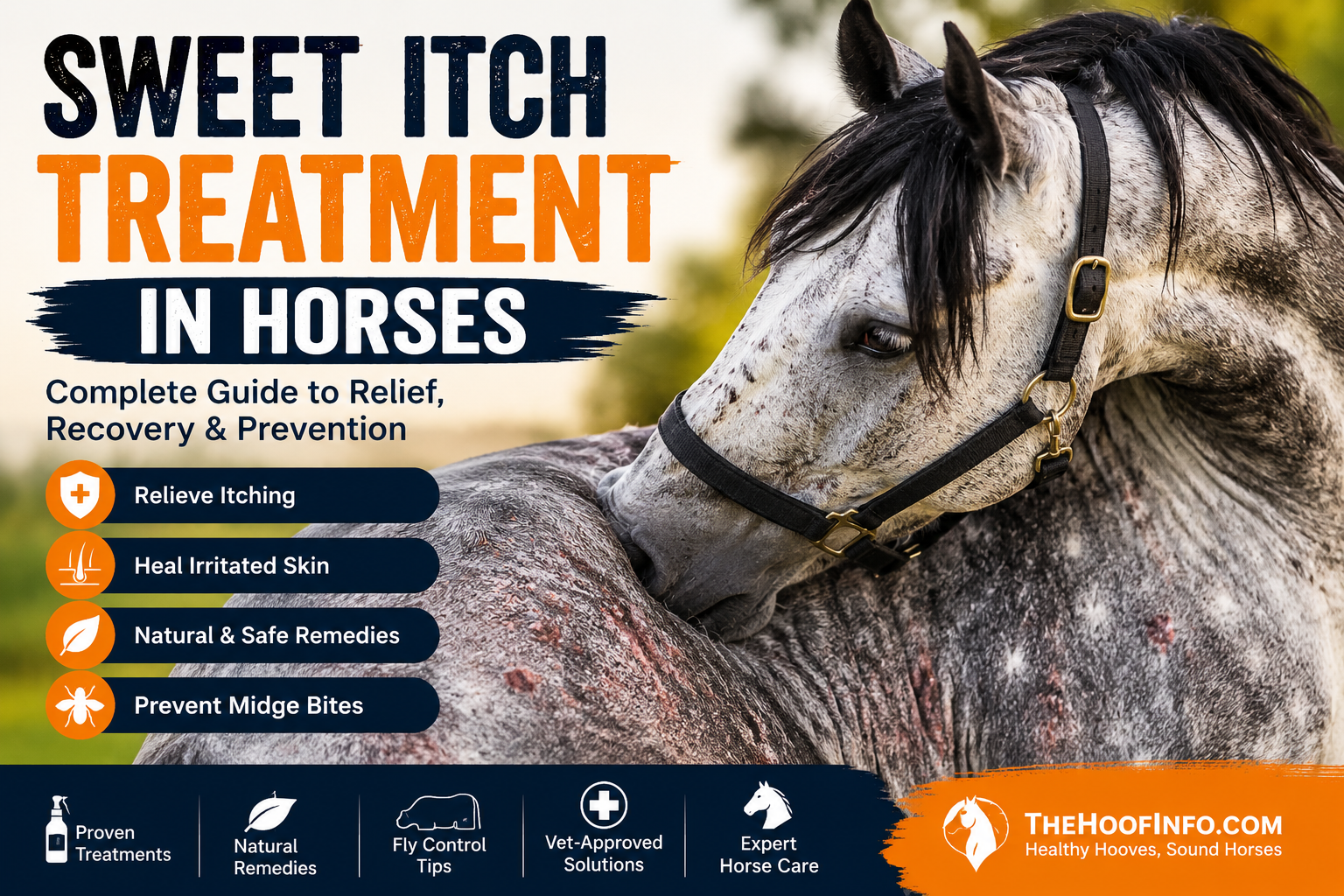
Sweet Itch Treatment in Horses: Everything Horse Owners Need to Know
Watching your horse constantly rub its mane against a fence or scratch its tail until the hair disappears can be frustrating and heartbreaking. What may look like a minor itch can quickly become a serious skin problem if left untreated. One of the most common causes of intense seasonal itching in horses is sweet itch.
Sweet itch affects thousands of horses every year, especially during the warmer months when biting midges are most active. The condition can lead to severe itching, hair loss, skin damage, and even secondary infections if it isn’t managed properly.
The good news is that while there is no permanent cure for sweet itch in horses, there are many effective ways to control the condition and keep your horse comfortable. The best results come from combining insect control, skin care, nutrition, and good stable management.
In this guide, you’ll learn how to recognize the early signs, understand the causes, choose the best sweet itch treatment, and discover practical ways to prevent future flare-ups.
About This Guide
Author: James Lilli
Reviewed By: The Hoof Info Editorial Team
Experience: Equine health researcher specializing in horse hoof care, lameness prevention, and horse owner education.
Last Updated: July 2026
Reading Time: 12–15 minutesThis article is based on current equine health recommendations, veterinary resources, and practical horse care knowledge. It is intended to help horse owners understand sweet itch, recognize early symptoms, and learn about effective treatment and prevention strategies. While this guide provides educational information, it should not replace professional veterinary advice. If your horse has severe itching, open wounds, or signs of infection, consult your veterinarian promptly.
Why You Can Trust This Guide
✔ Thoroughly researched using trusted equine health references
✔ Written in clear, practical language for horse owners
✔ Regularly reviewed and updated to reflect current horse care recommendations
✔ Focuses on safe, evidence-based treatment and prevention strategies
✔ Designed to help horse owners make informed decisions alongside their veterinarian
What Is Sweet Itch?
Sweet itch, also known as Summer Seasonal Recurrent Dermatitis (SSRD), is one of the most common allergic skin conditions affecting horses. It occurs when a horse develops an allergic reaction to the saliva of tiny biting midges, mainly those from the Culicoides species.
Every time these insects bite, they inject saliva into the skin. Most horses experience little or no reaction, but horses with sweet itch have an overactive immune response. Even a few bites can trigger intense itching and inflammation.
Unlike fungal infections, lice, or mange, sweet itch is not contagious. Horses cannot pass it to one another. Instead, each affected horse has its own allergic sensitivity.
The condition is most common during spring, summer, and early autumn, when midge populations are highest. Symptoms often improve once colder weather arrives and the insects disappear.
What Causes Sweet Itch?
Many owners assume poor grooming or dirty conditions cause sweet itch, but that’s not true. The real problem is an allergic response to insect bites.
Several factors increase a horse’s risk of developing sweet itch.
1. Biting Midges
The primary cause is repeated exposure to biting midges.
These insects prefer:
- Warm weather
- Damp environments
- Standing water
- Marshy pastures
- Woodland edges
They are most active around sunrise and sunset.
2. Genetics
Some horses are naturally more susceptible than others.
Breeds commonly affected include:
- Icelandic Horses
- Welsh Ponies
- Shetland Ponies
- Friesians
- Arabians
However, any horse can develop sweet itch.
3. Warm, Humid Summers
Long periods of warm weather allow midge populations to increase rapidly.
This is why many horse owners notice symptoms becoming worse between late spring and early fall.
4. Living Near Water
Ponds, streams, marshes, and poorly drained pastures create ideal breeding conditions for biting midges.
Moving susceptible horses away from these areas often reduces flare-ups.
Symptoms of Sweet Itch in Horses
Recognizing the symptoms of sweet itch in horses early can prevent extensive skin damage.
The condition usually begins with mild itching before progressing to more serious irritation.
Common symptoms include:
- Constant scratching
- Tail rubbing
- Mane rubbing
- Broken hairs
- Hair loss
- Thickened skin
- Dry, flaky skin
- Small scabs
- Bleeding from excessive rubbing
- Open sores
- Crusty patches
- Restlessness in the pasture
Some horses become so uncomfortable that they stop grazing normally and spend much of the day scratching against trees, fences, gates, or stable walls.
Early Signs of Sweet Itch
Many owners don’t notice sweet itch until obvious hair loss appears. Fortunately, there are several early warning signs.
Watch for:
Frequent Tail Swishing
An unusually active tail may indicate irritation long before visible skin damage develops.
Rubbing the Mane
One of the first signs is rubbing along the crest of the neck.
You may notice:
- Broken mane hairs
- Uneven mane length
- Hair thinning
Small Raised Bumps
Tiny bumps often appear before hair loss begins.
These bumps may feel rough when you run your hand over the skin.
Increased Irritability
Affected horses often become:
- Restless
- Difficult to catch
- Distracted while riding
- More interested in scratching than eating
Skin Thickening
Repeated scratching eventually causes the skin to become thicker and less flexible.
This makes the itch even harder to control.
Why Early Treatment Matters
One mistake many horse owners make is waiting until the itching becomes severe before starting treatment.
By then:
- Hair follicles may already be damaged.
- The skin may be infected.
- Recovery may take much longer.
- The horse experiences unnecessary discomfort.
Starting sweet itch horse treatment as soon as symptoms appear often reduces the severity of the condition for the rest of the season.
Many experienced horse owners begin insect control before the first midges appear, rather than waiting until itching starts. This proactive approach can significantly reduce allergic reactions and help keep horses more comfortable throughout the warmer months.
Is There a Cure for Sweet Itch?
Many owners search online for a cure for sweet itch or a cure for sweet itch in horses. It’s an understandable question, especially when a horse seems miserable during midge season.
At present, there is no guaranteed permanent cure for sweet itch. Because it is an allergic condition, horses that are sensitive to midge saliva usually remain susceptible throughout their lives.
The encouraging news is that most horses respond well to a consistent management plan. By reducing exposure to biting insects, caring for the skin, and using appropriate treatments when needed, many horses can stay comfortable and enjoy normal turnout during the warmer months.
The goal of treatment is not only to relieve itching but also to prevent skin damage and reduce the likelihood of severe flare-ups in future seasons.
Best Sweet Itch Treatment in Horses: A Step-by-Step Guide
Once you’ve identified the signs of sweet itch, the next step is choosing a treatment plan that addresses both the allergic reaction and the biting insects that trigger it. The most successful approach combines several strategies rather than relying on a single cream or spray.
In my experience, horse owners who start treatment early and stay consistent throughout the midge season often see the best results.
Step 1: Reduce Exposure to Biting Midges
The first and most important step in sweet itch treatment in horses is minimizing exposure to biting midges. Since these insects trigger the allergic reaction, reducing bites can significantly lessen symptoms.
Stable During Peak Midge Activity
Midges are most active:
- Around sunrise
- Around sunset
- On warm, humid evenings
- During calm weather with little wind
Whenever possible, keep affected horses indoors during these times.
Improve Airflow
Midges are weak flyers. Installing barn fans can make it much harder for them to reach your horse.
Eliminate Standing Water
Standing water provides breeding grounds for midges.
Check your property regularly for:
- Water troughs
- Muddy paddocks
- Ponds
- Ditches
- Low-lying wet areas
Good drainage can reduce insect populations around your pasture.
Step 2: Use a Sweet Itch Fly Sheet
One of the most effective sweet itch treatment products is a specially designed fly sheet.
Unlike standard fly rugs, sweet itch rugs provide extra protection for the areas midges target most.
Look for a fly sheet with:
- Full neck coverage
- Belly wrap
- Tail flap
- Breathable fabric
- UV protection
- Durable stitching
- Secure leg straps
A properly fitted fly sheet creates a physical barrier between your horse and biting insects.
For horses with severe allergies, putting the fly sheet on before midge season begins often works better than waiting until symptoms appear.
Step 3: Apply Insect Repellent
No treatment plan is complete without a quality insect repellent.
Choose products labeled specifically for horses and apply them according to the manufacturer’s directions.
Pay special attention to:
- Mane
- Tail
- Belly
- Ears
- Chest
- Legs
Reapply after heavy sweating or rain if recommended on the product label.
Remember that no spray provides 100% protection, so repellents work best alongside fly sheets and good pasture management.
Step 4: Keep the Skin Clean
Healthy skin heals faster.
If your horse has been scratching excessively, gently clean affected areas using a mild equine shampoo.
Avoid scrubbing damaged skin.
After washing:
- Pat the skin dry with a clean towel.
- Check for open wounds.
- Remove loose dirt and debris.
- Apply any recommended topical treatment.
Keeping the skin clean also reduces the risk of secondary bacterial infections.
Step 5: Use a Sweet Itch Treatment Cream
Many owners search for a sweet itch treatment cream because topical products can provide quick relief from itching.
A good cream should help:
- Soothe irritated skin
- Reduce itching
- Protect damaged areas
- Support healing
- Maintain skin moisture
Look for ingredients such as:
- Aloe vera
- Zinc oxide
- Calendula
- Vitamin E
- Colloidal oatmeal
- Lanolin
Apply creams only to clean skin and follow the manufacturer’s directions.
Avoid using heavily scented products unless they are specifically formulated for horses.
Step 6: Sweet Itch Treatment Medicine
For moderate or severe cases, veterinary treatment may be necessary.
Depending on your horse’s condition, your veterinarian may recommend:
Corticosteroids
These medications help reduce inflammation and itching quickly but should only be used under veterinary supervision because long-term use can increase the risk of complications.
Antibiotics
If excessive scratching leads to bacterial skin infections, antibiotics may be prescribed.
Complete the full course as directed.
Medicated Shampoos
Special medicated shampoos may help remove allergens, soothe inflamed skin, and reduce secondary infections.
Anti-inflammatory Medication
These medications may be used to improve comfort in horses experiencing significant irritation.
Always consult your veterinarian before giving any medication.
When Are Steroids Needed?
Some horses develop such severe itching that they injure themselves by constant rubbing. In these cases, your veterinarian may prescribe corticosteroids to reduce inflammation and provide short-term relief.
Steroids can be highly effective but should only be used under veterinary supervision. Long-term use may increase the risk of complications, including laminitis in susceptible horses.
Because of these risks, steroids are generally reserved for moderate to severe cases that do not respond to environmental management and topical treatments.
Step 7: Repair Damaged Skin
Repeated scratching damages the skin barrier.
Helping the skin heal is just as important as controlling itching.
Support healing by:
- Keeping wounds clean
- Preventing further rubbing
- Applying protective creams
- Maintaining hydration
- Ensuring good nutrition
Damaged skin often takes several weeks to recover, even after itching improves.
7-Day Sweet Itch Treatment Plan
Horse owners often ask how quickly they should expect results after starting treatment. While every horse responds differently, following a consistent plan during the first week can help reduce itching and prevent further skin damage.
| Day | What to Do |
|---|---|
| Day 1 | Fit a sweet itch fly sheet, apply insect repellent, and inspect the skin for wounds. |
| Day 2 | Wash irritated areas with a gentle equine shampoo and apply a soothing cream. |
| Day 3 | Check for reduced rubbing and adjust the fly sheet if needed. |
| Day 4 | Continue fly protection and monitor the mane, tail, and belly. |
| Day 5 | Introduce a skin-support supplement if recommended by your veterinarian. |
| Day 6 | Groom gently and look for signs of healing or infection. |
| Day 7 | Evaluate your horse’s progress and consult your veterinarian if symptoms remain severe. |
Best Treatment for Sweet Itch in Horses
There is no single product that works for every horse.
Instead, the best treatment for sweet itch in horses usually combines several methods.
| Treatment | Purpose | Best For |
|---|---|---|
| Sweet itch fly sheet | Prevents bites | Daily protection |
| Fly repellent | Reduces insect bites | Outdoor turnout |
| Skin cream | Soothes irritation | Mild to moderate itching |
| Medicated shampoo | Cleans damaged skin | Weekly skin care |
| Prescription medication | Controls severe inflammation | Advanced cases |
| Omega-3 supplements | Supports healthy skin | Long-term management |
Using these methods together often produces much better results than relying on a single treatment.
Sweet Itch Treatment Products Worth Considering
Horse owners have many options when selecting sweet itch treatment products.
Popular categories include:
Fly Sheets
A quality fly sheet should cover:
- Neck
- Shoulders
- Belly
- Tail
The better the coverage, the fewer opportunities midges have to bite.
Fly Masks
Although sweet itch usually affects the mane and tail, some horses also benefit from fly masks that protect sensitive facial areas.
Insect Repellents
Choose products designed specifically to repel biting flies and midges.
Look for long-lasting formulas that remain effective during turnout.
Skin Creams
Protective creams create a barrier while helping irritated skin recover.
Medicated Shampoos
These are useful for removing dirt, allergens, and crusty debris without causing additional irritation.
Skin Supplements
Nutritional supplements containing:
- Omega-3 fatty acids
- Vitamin E
- Zinc
- Copper
- Biotin
may help support healthy skin, although they are not a substitute for insect control.
Best Sweet Itch Treatment Products Compared
| Product Type | Best For | Benefits | Possible Drawbacks |
|---|---|---|---|
| Sweet Itch Fly Sheet | Prevention | Blocks midge bites | Needs proper fit |
| Fly Spray | Daily turnout | Quick protection | Requires reapplication |
| Skin Cream | Itching | Soothes irritated skin | Doesn’t stop insect bites |
| Medicated Shampoo | Skin care | Cleans and calms skin | Weekly use only |
| Omega-3 Supplement | Long-term support | Promotes healthy skin | Takes several weeks to show benefits |
Recommended Products
Editor’s Picks
✔ Sweet Itch Fly Sheet
✔ Long-Lasting Horse Fly Spray
✔ Soothing Anti-Itch Skin Cream
✔ Medicated Equine Shampoo
✔ Omega-3 Skin Support Supplement
Sweet Itch Horse Treatment Timeline
Many owners wonder how quickly treatment begins to work.
While every horse is different, a typical timeline looks like this:
First 48 Hours
- Reduced scratching
- Calmer behavior
- Better comfort after applying creams
First Week
- Less hair breakage
- Reduced inflammation
- Fewer new sores
Two to Four Weeks
- Skin begins healing
- Hair starts regrowing in mild cases
- Fewer rubbing episodes
Throughout the Season
Continue management even if symptoms improve.
Stopping treatment too early often leads to another flare-up as soon as midges become active again.
Common Treatment Mistakes
Many horses continue to suffer because of avoidable mistakes.
These include:
❌ Waiting until severe itching develops
❌ Only treating the skin instead of controlling insects
❌ Forgetting to reapply insect repellent
❌ Removing the fly sheet during peak midge activity
❌ Using products inconsistently
❌ Ignoring small wounds that later become infected
Consistency is one of the biggest factors in successful sweet itch management.
Do Expensive Products Always Work Better?
Not necessarily.
Some premium products provide excellent protection, but success depends more on using the right combination of management practices than on buying the most expensive cream or spray.
A well-fitted fly sheet, effective insect control, and early intervention often make a greater difference than any single product.
Common Mistakes That Make Sweet Itch Worse
Even dedicated horse owners sometimes make mistakes that allow sweet itch to become more severe.
Avoid these common problems:
- Waiting until hair loss appears before beginning treatment
- Removing the fly sheet during peak midge activity
- Skipping insect repellent on windy days
- Washing the horse too frequently with harsh shampoos
- Ignoring small skin wounds
- Leaving horses near standing water
- Stopping treatment too early
Preventing these mistakes can often reduce the severity of seasonal flare-ups.
Homemade Sweet Itch Remedies That May Help
Many horse owners search for homemade sweet itch remedies because they want safe, affordable ways to make their horse more comfortable. While home remedies won’t eliminate the allergy itself, they can soothe irritated skin and complement a well-rounded treatment plan.
Always test any home remedy on a small patch of skin first. If your horse has open wounds, severe inflammation, or signs of infection, consult your veterinarian before applying anything.
1. Cool Water Rinse
A simple rinse with cool water can provide temporary relief after exercise or on hot days.
Benefits include:
- Cooling inflamed skin
- Removing sweat and dirt
- Washing away some allergens
- Helping reduce irritation
After rinsing, gently dry your horse with a clean towel to avoid trapping moisture against the skin.
2. Pure Aloe Vera Gel
Aloe vera has long been used to soothe irritated skin.
Many horse owners apply pure aloe vera gel to:
- Mane area
- Tail head
- Neck
- Shoulders
Potential benefits include:
- Cooling sensation
- Moisturizing dry skin
- Supporting healing
- Reducing irritation
Use a product free from added alcohol or fragrances.
3. Colloidal Oatmeal Wash
Oatmeal is commonly used to calm itchy skin in both people and animals.
A colloidal oatmeal rinse may help:
- Relieve itching
- Moisturize dry skin
- Reduce skin irritation
Choose equine-safe products or consult your veterinarian before preparing homemade mixtures.
4. Coconut Oil
Some owners apply a light layer of virgin coconut oil to dry, flaky areas.
Possible benefits include:
- Softening the skin
- Supporting the skin barrier
- Reducing dryness
However, avoid applying large amounts during dusty weather, as oil can attract dirt and debris.
5. Apple Cider Vinegar
Apple cider vinegar is often mentioned among home remedies for sweet itch in horses, but opinions on its effectiveness vary.
If you decide to try it:
- Always dilute it.
- Never apply it to broken or bleeding skin.
- Stop immediately if irritation increases.
For many horses, soothing moisturizers are a better option than acidic solutions.
Natural Remedies for Sweet Itch in Horses
Many owners prefer natural remedies for sweet itch in horses, especially for long-term skin care.
Natural management focuses on reducing irritation while supporting healthy skin.
Common approaches include:
Omega-3 Fatty Acids
Omega-3s support healthy skin and may help maintain the skin’s natural barrier.
Sources include:
- Flaxseed
- Chia seed
- Fish oil products formulated for horses
Balanced Nutrition
Healthy skin starts from within.
Provide:
- High-quality forage
- Fresh water
- Balanced minerals
- Adequate protein
- Vitamin E
- Zinc
- Copper
Poor nutrition can make skin more vulnerable to irritation and slower to heal.
Good Grooming
Regular grooming helps remove dirt, sweat, loose hair, and dead skin.
Use soft brushes around sensitive areas and avoid vigorous brushing on irritated skin.
Clean Living Environment
A clean stable reduces irritation caused by dirt and moisture.
Maintain:
- Dry bedding
- Clean stalls
- Proper ventilation
- Regular manure removal
Veterinary Tips for Managing Sweet Itch
Veterinarians generally recommend focusing on prevention rather than waiting for symptoms to develop.
Helpful recommendations include:
- Begin fly control before midge season starts.
- Stable horses during dawn and dusk.
- Use fans to reduce insect activity.
- Maintain a healthy body condition.
- Treat skin wounds promptly.
- Schedule regular health checks if symptoms become severe.
Combining these management practices with appropriate treatment often produces the best long-term results.
Homeopathic Remedy for Sweet Itch in Horses
Some horse owners ask about using a homeopathic remedy for sweet itch in horses.
While homeopathic products are available, scientific evidence supporting their effectiveness is limited. Some owners report improvements, while others notice little or no difference.
If you’re considering homeopathic treatments:
- Discuss them with your veterinarian.
- Continue proven management practices, such as fly control and skin protection.
- Never rely on homeopathy alone if your horse has severe symptoms or open wounds.
A balanced approach that combines veterinary advice with good management is usually the safest option.
Itchy Horse Remedies That Really Help
When searching for itchy horse remedies, it’s important to focus on strategies that address both the itch and its underlying cause.
The following combination often provides the best results:
✔ Sweet itch fly sheet
✔ Effective fly repellent
✔ Gentle skin cream
✔ Regular grooming
✔ Healthy diet
✔ Barn fans
✔ Clean, dry turnout areas
✔ Stable during dawn and dusk
Each measure may seem small on its own, but together they can significantly reduce discomfort.
Sweet Itch Relief for Horses
Immediate sweet itch relief for horses often involves reducing exposure to biting insects and soothing inflamed skin.
If your horse suddenly becomes very itchy:
- Move the horse indoors if midges are active.
- Check for open sores or signs of infection.
- Apply an equine-safe soothing cream if appropriate.
- Ensure the fly sheet fits correctly.
- Contact your veterinarian if symptoms are severe or worsening.
Prompt action can help prevent excessive rubbing and further skin damage.
Feeding Horses with Sweet Itch
Although diet won’t cure sweet itch, it plays an important role in supporting skin health and the immune system.
A balanced feeding program should include:
- High-quality hay or pasture
- Clean, fresh water
- A balanced vitamin and mineral supplement if needed
- Adequate protein for tissue repair
Avoid making sudden dietary changes, especially during the peak midge season.
Best Supplements for Horses with Sweet Itch
Some horses benefit from supplements that support healthy skin and coat condition.
Look for products containing:
- Omega-3 fatty acids
- Vitamin E
- Zinc
- Copper
- Biotin
- MSM
Keep in mind that supplements are supportive-they do not replace fly control, skin care, or veterinary treatment when needed.
Sweet Itch Prevention
Preventing sweet itch is often easier than treating severe flare-ups. A consistent management plan started before midge season can make a noticeable difference.
Begin Protection Early
Don’t wait for the first signs of itching. Put fly sheets on and begin insect control before midges become active.
Stable During Peak Activity
Because midges are most active around sunrise and sunset, keeping susceptible horses indoors during these periods can reduce the number of bites.
Use Barn Fans
Fans create airflow that makes it difficult for weak-flying midges to land on horses. This simple addition can significantly reduce insect pressure inside the stable.
Keep Pastures Clean
Good pasture management helps reduce breeding sites for insects.
Regularly:
- Remove manure
- Improve drainage
- Repair muddy areas
- Empty containers that collect water
Check Your Horse Daily
Spend a few minutes each day looking for:
- New rubbing
- Hair loss
- Small bumps
- Scabs
- Broken skin
Catching problems early allows you to adjust your management plan before symptoms become severe.
Seasonal Sweet Itch Checklist
Use this checklist throughout the warmer months:
✅ Put on a fly sheet before turnout
✅ Apply insect repellent as directed
✅ Stable during dawn and dusk
✅ Check skin daily
✅ Clean equipment regularly
✅ Wash and inspect fly sheets
✅ Keep bedding clean and dry
✅ Monitor body condition and appetite
✅ Contact your veterinarian if symptoms worsen
Can Horses Recover from Sweet Itch?
Many owners worry that once a horse develops sweet itch, it will never be comfortable again. Fortunately, that’s not usually the case.
Although there is no guaranteed permanent cure, many horses live active, healthy lives with consistent management. By reducing insect exposure, supporting skin health, and treating flare-ups early, owners can often keep symptoms mild and prevent extensive skin damage.
The key is to think of sweet itch as a condition that requires ongoing management rather than a one-time treatment.
Frequently Asked Questions About Sweet Itch in Horses
Can sweet itch be cured permanently?
This is one of the most common questions horse owners ask. Unfortunately, there is no permanent cure for sweet itch because it is an allergic reaction to the saliva of biting midges. Once a horse develops this allergy, it usually remains sensitive throughout its life.
The encouraging news is that most horses can be managed successfully. With early intervention, effective insect control, proper skin care, and a consistent management plan, many horses experience only mild symptoms and continue to live active, healthy lives.
What is the best treatment for sweet itch in horses?
The best treatment for sweet itch in horses combines several approaches rather than relying on a single product.
A successful management plan usually includes:
- A well-fitted sweet itch fly sheet
- An equine-safe insect repellent
- Stable turnout during peak midge activity
- Soothing skin creams
- Good pasture management
- Nutritional support
- Veterinary treatment for severe cases
Using these methods together generally produces better results than using creams or sprays alone.
Are homemade sweet itch remedies effective?
Some homemade sweet itch remedies can help soothe irritated skin, but they should be viewed as supportive care rather than a cure.
Many horse owners use:
- Aloe vera gel
- Cool water rinses
- Colloidal oatmeal products
- Coconut oil (sparingly)
If your horse has open sores or signs of infection, always consult your veterinarian before applying homemade products.
Can sweet itch spread to other horses?
No.
Sweet itch is not contagious. It cannot spread from one horse to another because it is an allergic reaction, not an infectious disease.
However, horses sharing the same pasture may all be exposed to biting midges, so more than one horse can develop symptoms if they are individually sensitive.
When should I call my veterinarian?
Contact your veterinarian if your horse develops:
- Severe skin swelling
- Bleeding sores
- Thick scabs
- Signs of infection
- Loss of appetite
- Weight loss
- Fever
- No improvement after home treatment
- Persistent itching despite good fly control
Early veterinary care often prevents more serious complications.
Sweet Itch vs. Rain Rot
Horse owners sometimes confuse sweet itch with rain rot because both conditions affect the skin.
| Sweet Itch | Rain Rot |
|---|---|
| Caused by an allergic reaction to midge bites | Caused by bacterial infection |
| Extremely itchy | Usually less itchy |
| Common on mane and tail | Common on back, rump, and topline |
| Seasonal (spring and summer) | Common during wet weather |
| Hair loss from scratching | Hair comes away in paintbrush-like tufts |
Understanding the difference helps ensure your horse receives the correct treatment.
Sweet Itch vs. Ringworm
Ringworm is another condition that can resemble sweet itch.
| Sweet Itch | Ringworm |
|---|---|
| Allergy | Fungal infection |
| Not contagious | Highly contagious |
| Severe itching | Mild itching |
| Usually affects mane and tail | Circular patches anywhere on the body |
| Triggered by insects | Spread through contact |
If you’re unsure which condition your horse has, ask your veterinarian for a diagnosis before beginning treatment.
Common Myths About Sweet Itch
There are many misconceptions about sweet itch. Let’s clear up a few of the most common ones.
Myth 1: Dirty Horses Get Sweet Itch
False.
Sweet itch is an allergic reaction to insect bites, not poor hygiene.
Myth 2: One Cream Will Cure Sweet Itch
False.
Creams may soothe the skin, but they don’t stop midge bites or eliminate the underlying allergy.
Myth 3: Horses Only Get Sweet Itch in Summer
Mostly true, but symptoms can begin in late spring and continue into early autumn depending on your climate and local insect activity.
Myth 4: Fly Sprays Alone Are Enough
False.
Even the best insect repellent works better when combined with a fly sheet, proper turnout management, and environmental control.
Myth 5: Sweet Itch Always Becomes Severe
False.
Many horses experience only mild symptoms when owners start preventive measures early and remain consistent throughout the season.
Practical Daily Management Routine
If your horse is prone to sweet itch, following a simple daily routine can make a big difference.
Morning
- Check your horse’s skin for new irritation.
- Apply insect repellent if needed.
- Ensure the fly sheet fits properly.
- Refill clean water buckets.
Afternoon
- Groom gently to remove sweat and dirt.
- Inspect the mane, tail, and belly.
- Clean any minor skin abrasions.
Evening
- Stable the horse before peak midge activity.
- Reapply repellent if recommended.
- Check that fans and ventilation are working properly.
Consistency is one of the most effective tools in managing sweet itch.
Recommend Products:-
Fly Protection
- Sweet itch fly sheets
- Fly masks
- Fly boots
Insect Control
- Horse fly sprays
- Midge repellents
- Barn fly traps
Skin Care
- Aloe vera gel
- Anti-itch creams
- Medicated shampoos
- Skin healing ointments
Supplements
- Omega-3 supplements
- Biotin supplements
- Skin and coat support formulas
- Vitamin E supplements
When Should You Call a Veterinarian?
Although many mild cases can be managed at home, veterinary attention is important if your horse develops:
- Large areas of hair loss
- Bleeding skin
- Thick scabs
- Yellow discharge
- Signs of infection
- Fever
- Weight loss
- No improvement after two weeks of consistent treatment
Prompt treatment can prevent complications and improve your horse’s comfort.
Seasonal Sweet Itch Prevention Checklist
Use this checklist throughout spring and summer.
☐ Fit the fly sheet before turnout.
☐ Apply insect repellent.
☐ Stable during sunrise and sunset.
☐ Use barn fans.
☐ Remove standing water.
☐ Check skin daily.
☐ Wash equipment regularly.
☐ Inspect the mane and tail.
☐ Feed a balanced diet.
☐ Contact your veterinarian if symptoms worsen.
Frequently Asked Questions
What causes sweet itch in horses?
Sweet itch is caused by an allergic reaction to the saliva of biting midges, particularly those in the Culicoides species.
Is there a cure for sweet itch in horses?
There is no permanent cure, but consistent management can greatly reduce symptoms and improve your horse’s comfort.
What is the best sweet itch treatment?
The best treatment combines fly protection, insect repellents, skin care, proper nutrition, and veterinary care when needed.
Do homemade sweet itch remedies work?
Some home remedies, such as aloe vera and oatmeal-based products, may soothe irritated skin. They should complement, not replace, proven management strategies.
Can sweet itch be prevented?
While it can’t always be prevented completely, starting fly control before midge season, using a sweet itch fly sheet, and reducing exposure to biting insects can significantly lower the risk of flare-ups.
You may also Read:-
- Best Fly Spray for Horses
- Best All Natural Fly Spray for Horses
- Summer Horse Care Checklist
- Horse Skin Problems Every Owner Should Know
- Horse Hoof Care Tips During Summer
- Best Hoof Supplements for Horses
- Horse First Aid Kit Essentials
In Short:-
Sweet itch can be one of the most frustrating skin conditions for both horses and their owners, but it doesn’t have to control your horse’s life. While there isn’t a permanent cure, there are many effective ways to manage the condition and reduce the discomfort it causes.
The most successful approach combines early prevention, insect control, protective fly sheets, soothing skin care, balanced nutrition, and veterinary guidance when necessary. Starting your management plan before midge season begins often produces the best results.
Pay close attention to the symptoms of sweet itch in horses, act quickly when you notice the first signs of itching, and stay consistent with your routine throughout the warmer months. Many horses with sweet itch continue to enjoy comfortable, active lives when their owners follow a proactive treatment plan.
With patience and the right combination of care, you can help protect your horse’s skin, reduce itching, and make every season more comfortable.








Leave a comment