

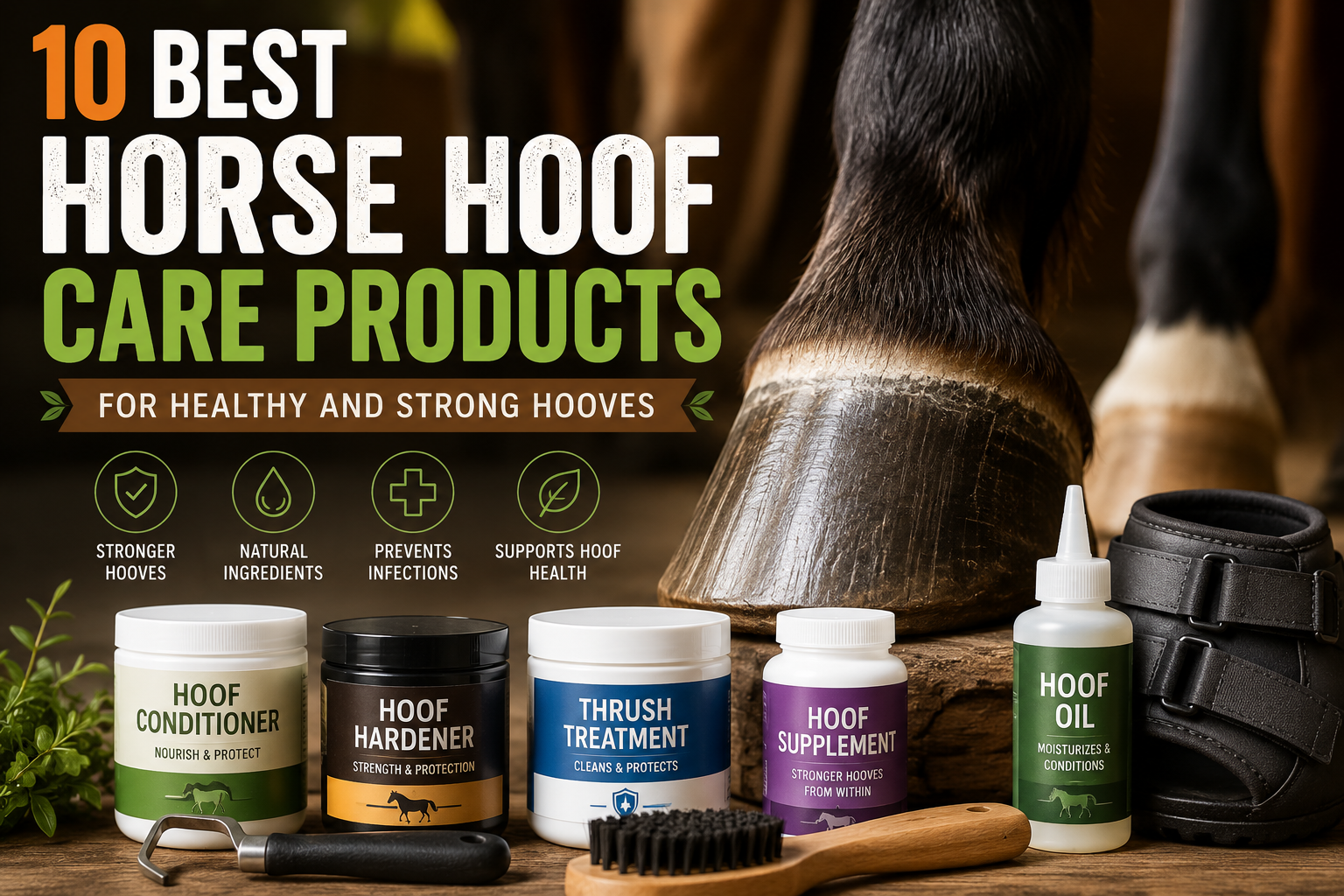
Horse Hoof Care Products: Essential Tools for Healthy and Strong Hooves
A horse’s hooves are the foundation of its overall health, performance, and comfort. The old saying “No hoof, no horse” remains true because even minor hoof problems can lead to pain, reduced mobility, and long-term health complications. Proper hoof maintenance involves regular trimming, cleaning, nutrition, and the use of quality horse hoof care products.
With so many products available on the market, horse owners may find it challenging to determine which ones are truly beneficial. This guide explores the most important horse hoof care products, their benefits, and how they help maintain healthy and strong hooves.
Why Horse Hoof Care Matters
Horse hooves endure significant stress every day. Whether a horse is used for riding, racing, farming, or companionship, its hooves support its entire body weight while absorbing impact from movement.
Poor hoof care can contribute to several common problems, including:
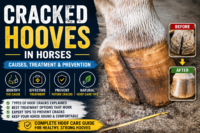
- Cracked hooves
- Thrush infections
- White line disease
- Dry and brittle hoof walls
- Soft and weak hooves
- Lameness
Regular hoof maintenance combined with the right products can help prevent these issues and promote long-term hoof health.
Essential Horse Hoof Care Products
1. Hoof Picks
A hoof pick is one of the most basic yet essential hoof care tools. It helps remove dirt, mud, stones, and manure from the hoof, reducing the risk of bacterial and fungal infections.
Daily cleaning allows horse owners to inspect the hoof for injuries, bruises, cracks, or signs of disease before they become serious problems.
Benefits of hoof picks:
- Removes debris and packed mud
- Prevents thrush development
- Improves hoof hygiene
- Allows early detection of hoof problems
Every horse owner should keep a quality hoof pick in their grooming kit.
2. Hoof Conditioners and Moisturizers
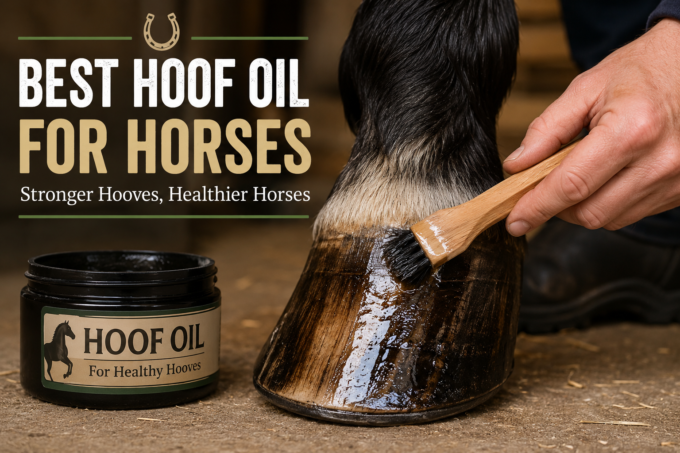
Dry and brittle hooves are more likely to crack and chip. Hoof conditioners help maintain moisture balance and improve hoof flexibility.
These products are particularly useful in dry climates where hooves can become dehydrated.
Benefits include:
- Improved hoof elasticity
- Reduced cracking
- Enhanced hoof appearance
- Protection against excessive dryness
When selecting a conditioner, look for products containing natural oils and moisturizing ingredients that support healthy hoof growth.
3. Hoof Hardeners
While some horses suffer from dry hooves, others struggle with overly soft hooves caused by wet conditions. Soft hooves can weaken the hoof wall and increase the risk of damage.
Hoof hardeners are designed to strengthen the hoof structure and improve durability.
Benefits include:
- Increased hoof strength
- Better resistance to wear
- Reduced hoof wall damage
- Improved performance on challenging terrain
These products are often recommended for horses that spend significant time in wet or muddy environments.
4. Thrush Treatments
Thrush is a common bacterial and fungal infection that affects the frog of the hoof. It typically develops in damp, dirty conditions and can cause a foul odor, black discharge, and discomfort.
Thrush treatment products help eliminate harmful microorganisms while supporting healthy tissue recovery.
Benefits include:
- Eliminates infection-causing organisms
- Reduces odor and discharge
- Supports healing
- Prevents recurring infections
Prompt treatment is essential to prevent thrush from progressing into more serious hoof issues.
5. Hoof Supplements
Healthy hooves start from within. Nutritional deficiencies can slow hoof growth and contribute to weak hoof walls.
Hoof supplements typically contain nutrients such as:
- Biotin
- Zinc
- Methionine
- Copper
- Amino acids
These ingredients support hoof development and help maintain strong, healthy hoof structures.
Benefits include:
- Improved hoof growth
- Stronger hoof walls
- Better hoof quality
- Enhanced overall hoof health
While supplements can be highly beneficial, results often take several months because hoof growth is a gradual process.
6. Hoof Boots
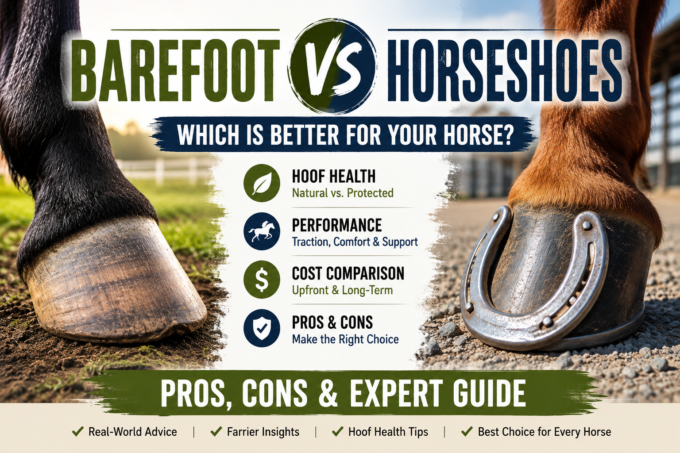
Hoof boots provide protection for horses with sensitive feet, injuries, or specific hoof conditions. They are often used as an alternative to traditional horseshoes in certain situations.
Benefits include:
- Protection from rough terrain
- Additional comfort
- Support during recovery
- Reduced hoof wear
Many horse owners use hoof boots during trail riding or rehabilitation programs.
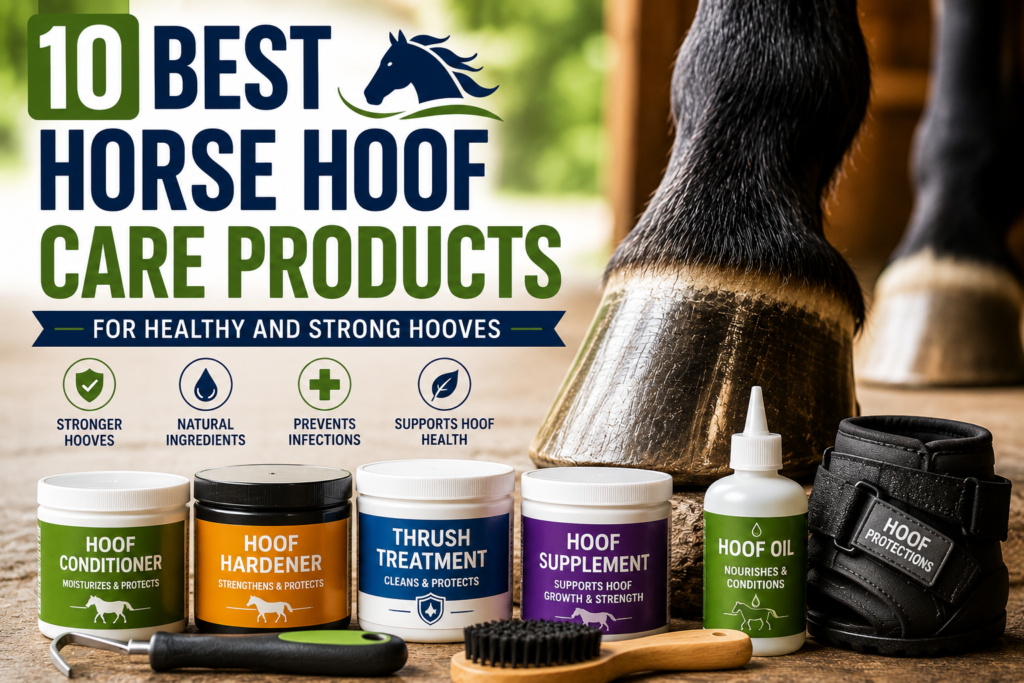
How to Choose the Right Horse Hoof Care Products
Not every product is suitable for every horse. The best choice depends on factors such as environment, workload, hoof condition, and overall health.
Consider the following when selecting hoof care products:
Assess Your Horse’s Hoof Condition
Determine whether your horse has:
- Dry hooves
- Soft hooves
- Cracks
- Thrush
- Slow hoof growth
Understanding the underlying issue helps you select products that address specific needs.
Consider Environmental Conditions
Climate plays a significant role in hoof health.
Dry regions may require:
- Hoof moisturizers
- Conditioners
Wet regions may require:
- Hoof hardeners
- Thrush prevention products
Choosing products based on environmental conditions can significantly improve results.
Consult a Farrier or Veterinarian
Experienced farriers and veterinarians can recommend products that match your horse’s unique hoof care requirements.
Professional guidance is especially valuable when dealing with chronic hoof problems or lameness issues.
Best Practices for Hoof Maintenance
Horse hoof care products work best when combined with a consistent hoof care routine.
Follow these essential practices:
Clean Hooves Daily
Regular cleaning removes debris and helps identify problems early.
Schedule Routine Farrier Visits
Most horses require trimming every six to eight weeks, although individual needs may vary.
Maintain Proper Nutrition
Balanced nutrition supports healthy hoof growth and overall well-being.
Provide a Clean Environment
Dry, clean living conditions reduce the risk of thrush and other hoof-related infections.
Monitor Hoof Health Regularly
Watch for signs such as:
- Cracks
- Heat
- Swelling
- Foul odors
- Changes in gait
Early intervention often prevents more serious complications.
Horse wound care products
Horse wound care products play an important role in helping injuries heal properly while reducing the risk of infection. Horses can easily suffer cuts, scrapes, puncture wounds, and abrasions during turnout, training, or transport. Having the right wound care supplies on hand allows horse owners to respond quickly when accidents happen.
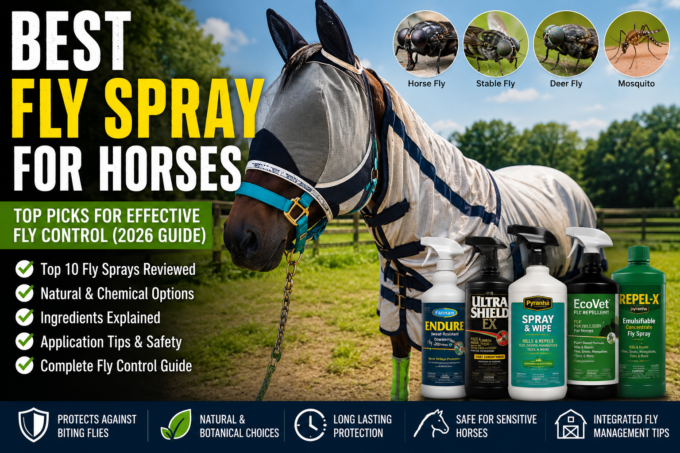
Common horse wound care products include wound cleansers, antiseptic sprays, antibacterial ointments, sterile bandages, and protective dressings. These products help remove dirt and bacteria, protect damaged tissue, and create a clean environment for healing. Fly repellents designed for use around wounds can also help prevent irritation and contamination during recovery.
While many minor wounds can be treated at home, deeper injuries may require veterinary attention. Regular monitoring is essential to ensure proper healing and identify signs of infection early. By using quality horse wound care products and following good wound management practices, owners can help keep their horses comfortable and support a faster recovery.
In Short:-
Investing in quality horse hoof care products is one of the most effective ways to support your horse’s health and performance. From hoof picks and conditioners to supplements and thrush treatments, each product serves a specific role in maintaining strong and healthy hooves.
Remember that hoof products are most effective when combined with proper nutrition, regular farrier care, and consistent hoof maintenance. By developing a proactive hoof care routine, horse owners can help prevent common hoof problems and ensure their horses remain comfortable, active, and healthy for years to come.
Healthy hooves are the foundation of a healthy horse, making hoof care an essential part of responsible horse ownership.





Leave a comment