

Laminitis in Ponies: Causes, Symptoms, Treatment, and Prevention Guide
Laminitis is one of the most common and serious hoof conditions affecting ponies. While any horse can develop laminitis, ponies are particularly vulnerable because they tend to gain weight easily and are more likely to develop metabolic disorders. Left untreated, laminitis can cause severe pain, permanent hoof damage, and in some cases, life-threatening complications.
Understanding the early warning signs and taking prompt action can make a significant difference in a pony’s recovery. Whether you own a backyard companion pony or a competition animal, learning how to manage and prevent laminitis is essential.
What Is Laminitis in Ponies?
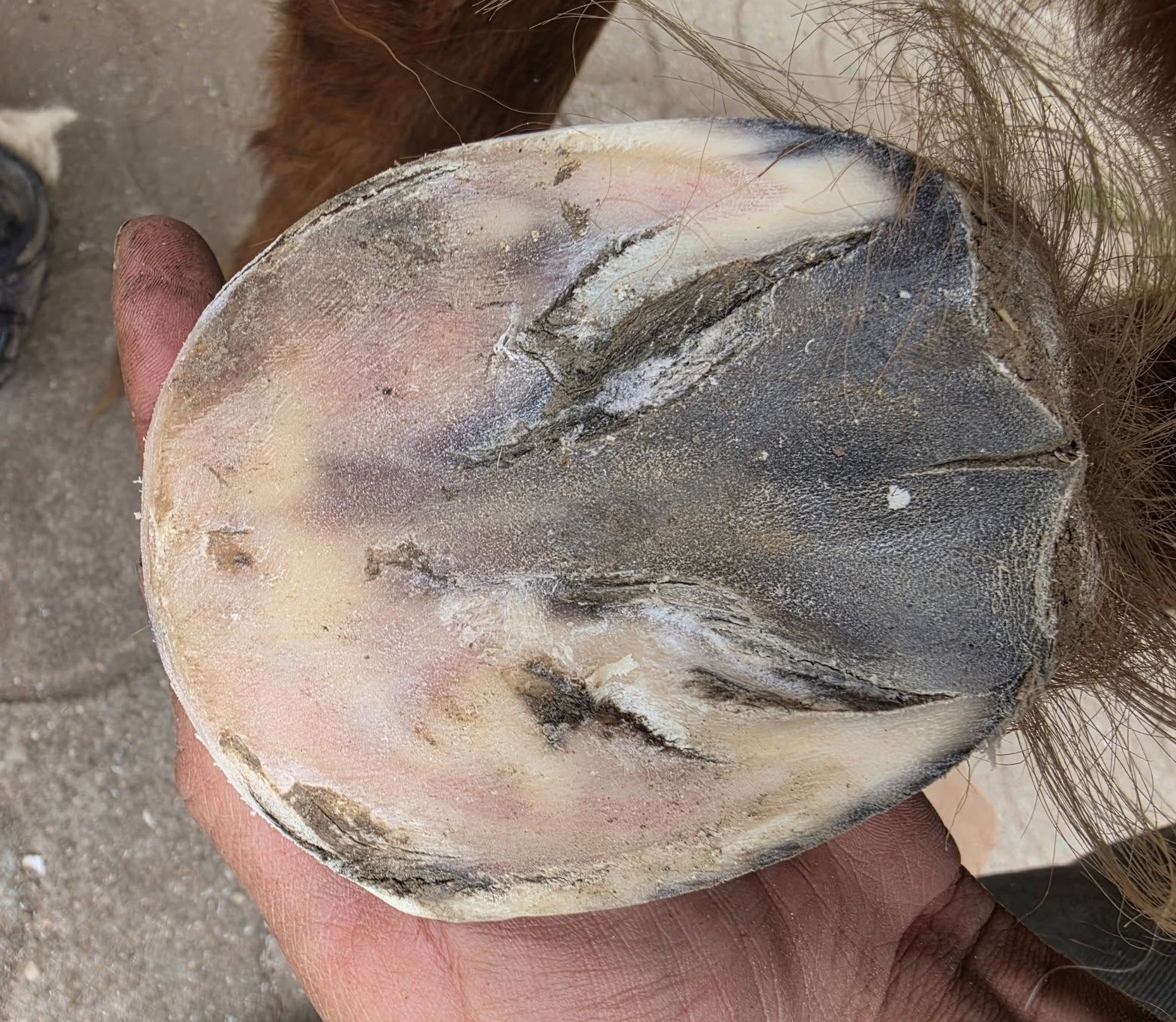
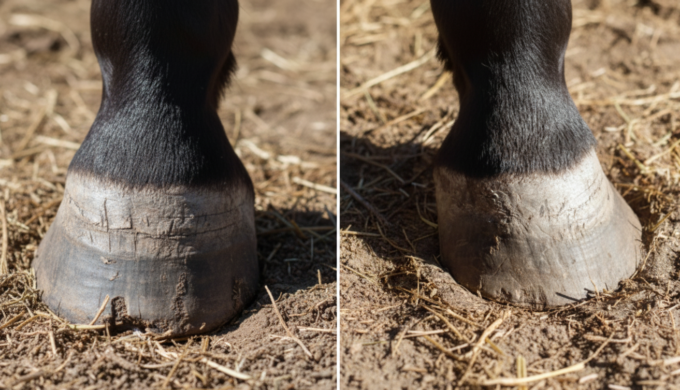
Laminitis is an inflammation and weakening of the sensitive laminae inside the hoof. These structures connect the hoof wall to the coffin bone and help support the pony’s weight.
When the laminae become damaged, the connection between the hoof wall and the coffin bone weakens. In severe cases, the coffin bone can rotate or sink within the hoof capsule, a condition commonly known as founder.
Because ponies often have efficient metabolisms and can become overweight quickly, they face a higher risk of developing laminitis than many larger horse breeds.
Why Are Ponies More Prone to Laminitis?
Many ponies evolved to survive on sparse grazing. Modern pastures often provide far more sugar and calories than their bodies are designed to handle.
Several factors increase the risk:
- Easy weight gain
- Obesity
- Rich spring pasture
- Equine Metabolic Syndrome (EMS)
- Insulin resistance
- Lack of exercise
- Previous episodes of laminitis
- Overfeeding grain or concentrates
Even ponies that appear healthy can be at risk if they consume excessive sugars from grass.
Early Signs of Laminitis in Ponies
Recognizing the condition early can prevent serious hoof damage.
Common signs include:
Reluctance to Move
Affected ponies may seem stiff, slow, or unwilling to walk, especially on hard surfaces.
Increased Digital Pulse
A stronger-than-normal pulse can often be felt near the fetlock or pastern.
Heat in the Hooves
The hooves may feel noticeably warmer than usual.
Shifting Weight
Ponies often shift weight from one foot to another in an attempt to relieve discomfort.
Characteristic Laminitic Stance
Many ponies stand with their front feet stretched forward and their hind legs positioned underneath their body.
Sensitivity When Turning
Turning in small circles may cause obvious discomfort or reluctance.
Common Causes of Laminitis in Ponies
Excess Grass Consumption
Lush pasture is one of the most common triggers. Grass sugars can spike during spring and fall, increasing laminitis risk.
Equine Metabolic Syndrome
EMS is strongly linked to laminitis in ponies. High insulin levels can damage the laminae even when blood sugar levels appear normal.
Obesity
Extra body weight places additional stress on the hooves and increases metabolic complications.
Grain Overload
Consuming excessive grain or concentrate feed can disrupt the digestive system and trigger inflammation.
Hormonal Disorders
Certain endocrine disorders may increase susceptibility to laminitis.
Stress and Illness
Severe infections, retained placenta in mares, and systemic inflammation can also contribute.
Diagnosing Laminitis
A veterinarian will typically perform:
- Physical examination
- Hoof testing
- Digital pulse evaluation
- Gait assessment
- Radiographs (X-rays)
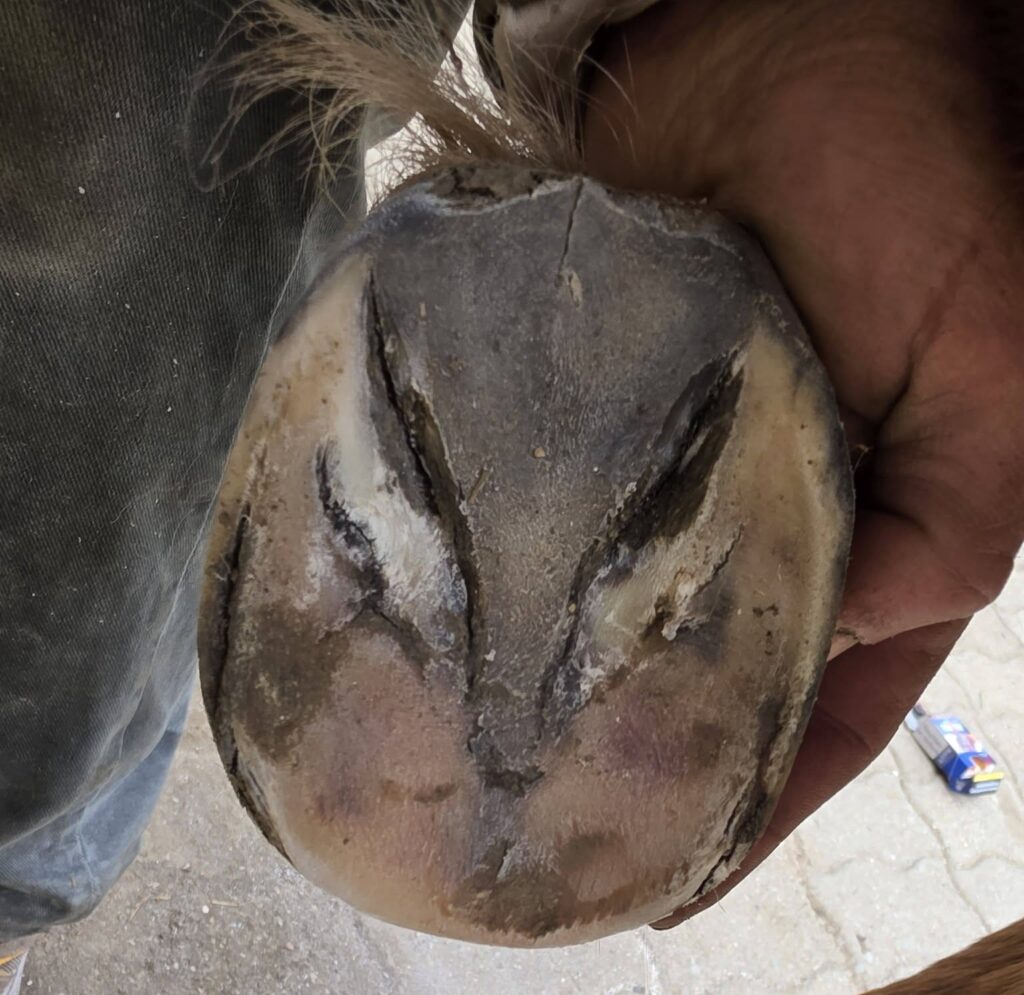
Radiographs are particularly useful for determining whether any coffin bone rotation has occurred.
Treatment for Laminitis in Ponies
Successful treatment requires a combination of veterinary care, hoof management, and dietary adjustments.
Remove Access to Grass
Ponies with active laminitis should be immediately removed from lush pasture.
Veterinary Pain Management
Pain relief medications prescribed by a veterinarian help improve comfort and reduce inflammation.
Hoof Support
Proper hoof support is critical during recovery.
Options may include:
- Therapeutic pads
- Supportive boots
- Foam padding
- Corrective trimming
Farrier Care
Regular trimming helps restore proper hoof balance and reduce stress on damaged structures.
A knowledgeable farrier plays a major role in recovery and long-term management.
Controlled Exercise
Exercise should only be introduced when approved by the veterinarian. Premature activity may worsen hoof damage.
Boots for Horses With Laminitis
Best Diet for Ponies With Laminitis
Nutrition is one of the most important aspects of treatment.
Feed Low-Sugar Hay
Many veterinarians recommend hay with low non-structural carbohydrate (NSC) levels.
Soak Hay if Necessary
Soaking hay may reduce some water-soluble sugars.
Eliminate Grain and Sweet Feeds
Avoid feeds high in starches and sugars.
Monitor Body Condition
Weight reduction often improves insulin sensitivity and decreases future laminitis risk.
Provide Balanced Minerals
A balanced diet supports hoof growth and overall health.
The Role of Equine Metabolic Syndrome
Many ponies with recurrent laminitis suffer from Equine Metabolic Syndrome.
Signs may include:
- Easy weight gain
- Fat deposits along the crest
- Fat pads near the tailhead
- Repeated laminitis episodes
Managing EMS through diet and exercise often becomes a lifelong commitment.
Can a Pony Recover From Laminitis?
Many ponies recover successfully when treatment begins early.
Recovery depends on factors such as:
- Severity of laminar damage
- Speed of diagnosis
- Quality of hoof care
- Weight management
- Compliance with dietary recommendations
Mild cases may improve within weeks, while severe cases can require many months of rehabilitation.
How to Prevent Laminitis in Ponies
Prevention is always easier than treatment.
Maintain a Healthy Weight
Avoid allowing ponies to become overweight.
Restrict Grazing During High-Risk Periods
Spring and fall pastures often contain elevated sugar levels.
Use a Grazing Muzzle
A grazing muzzle can reduce grass intake while allowing turnout.
Exercise Regularly
Consistent activity helps maintain healthy body weight and insulin function.
Schedule Routine Farrier Visits
Regular hoof care helps detect changes before serious problems develop.
Monitor Ponies With Previous Laminitis
A pony that has experienced laminitis remains at higher risk for future episodes.
Common Mistakes Pony Owners Make
Several mistakes can delay recovery:
- Returning to pasture too soon
- Ignoring mild lameness
- Overfeeding treats
- Skipping farrier appointments
- Failing to address obesity
- Delaying veterinary evaluation
Early intervention often prevents minor cases from becoming severe.
Frequently Asked Questions About Laminitis in Ponies
Can ponies get laminitis from grass?
Yes. Rich pasture is one of the leading causes of laminitis in ponies, especially during spring and fall.
Is laminitis more common in ponies than horses?
Generally, yes. Ponies are more likely to develop obesity, insulin resistance, and metabolic disorders that increase laminitis risk.
How long does recovery take?
Mild cases may improve within several weeks, while severe cases can require many months of careful management.
Can a pony live a normal life after laminitis?
Many ponies return to comfortable and productive lives when proper hoof care, diet, and weight management are maintained.
Should a pony with laminitis be exercised?
Exercise should only begin after veterinary approval. Working a pony too early can worsen hoof damage.
In Short:-
Laminitis in ponies is a serious condition, but early recognition and proper management can significantly improve outcomes. Paying close attention to weight control, pasture access, hoof care, and metabolic health helps reduce the risk of future episodes.
For pony owners, prevention is the most effective strategy. Regular veterinary evaluations, routine farrier care, and a carefully managed diet can go a long way toward keeping ponies healthy, comfortable, and sound for years to come.




Leave a comment