

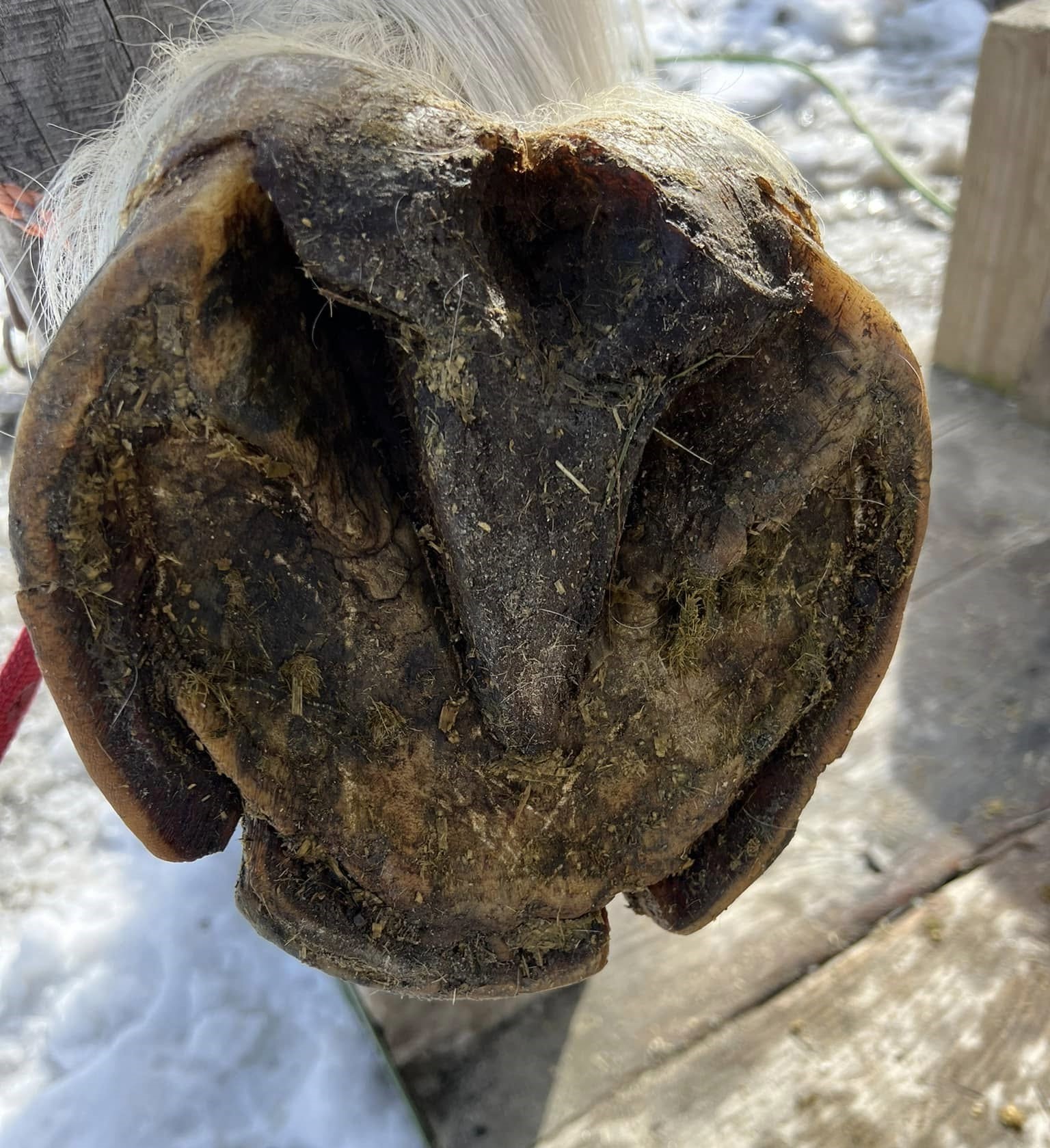
Treating Hoof Rot in Horses: Signs, Causes, and Effective Treatment Options
Hoof rot is a painful condition that can quickly affect a horse’s comfort, soundness, and overall hoof health. While many horse owners associate hoof infections with thrush, hoof rot can be even more destructive if left untreated. The infection gradually damages healthy hoof tissue, creates foul-smelling discharge, and may lead to lameness.
The good news is that treating hoof rot in horses is usually successful when detected early and combined with proper hoof care practices. Understanding the causes, symptoms, and treatment options can help prevent long-term damage and keep your horse comfortable.
What Is Hoof Rot in Horses?
Hoof rot is a bacterial or fungal infection that attacks the soft tissues of the hoof. It commonly develops in wet, dirty environments where harmful microorganisms thrive. The infection often starts in the frog, sole, or hoof cracks and gradually spreads deeper into the hoof structure.
If not addressed promptly, hoof rot can destroy healthy tissue, create painful lesions, and make walking uncomfortable for the horse.
Although hoof rot and thrush are sometimes used interchangeably, severe hoof rot typically involves deeper tissue damage and more extensive infection.
Hoof Rot vs Thrush: What’s the Difference?
| Feature | Hoof Rot | Thrush |
|---|---|---|
| Affected Area | Can extend deeper into hoof tissues | Usually affects frog grooves |
| Odor | Strong foul smell | Foul smell |
| Tissue Damage | Often more severe | Usually localized |
| Lameness | Common in advanced cases | Less common in mild cases |
| Treatment Time | May take several weeks | Often resolves faster |
Common Causes of Hoof Rot
Several factors increase a horse’s risk of developing hoof rot.
Constant Moisture Exposure
Wet paddocks, muddy pastures, and poorly drained stalls create ideal conditions for bacteria and fungi to grow.
Poor Hoof Hygiene
Manure, urine, and mud trapped inside the hoof encourage infection and tissue breakdown.
Infrequent Farrier Visits
Overgrown hooves can develop cracks and crevices where bacteria hide and multiply.
Hoof Injuries
Punctures, cracks, and damaged hoof walls allow microorganisms to enter sensitive tissues.
Weakened Hoof Quality
Poor nutrition, mineral deficiencies, and chronic hoof problems may reduce the hoof’s ability to resist infection.
Signs of Hoof Rot in Horses
Early detection significantly improves treatment success. Watch for these common symptoms:
- Strong foul odor coming from the hoof
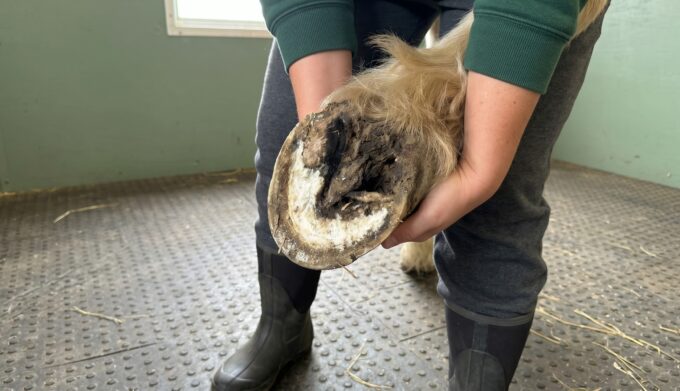
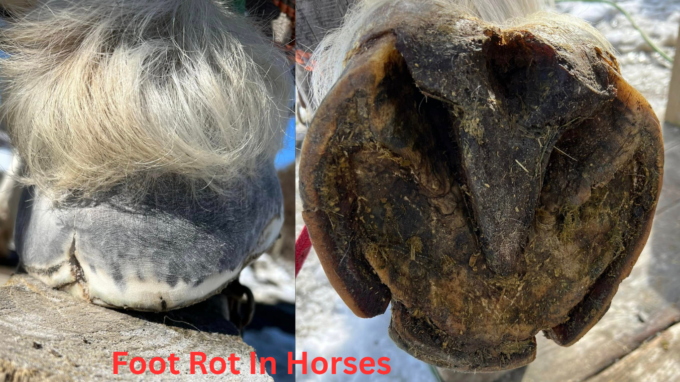
- Black, gray, or dark discharge
- Soft or crumbly frog tissue
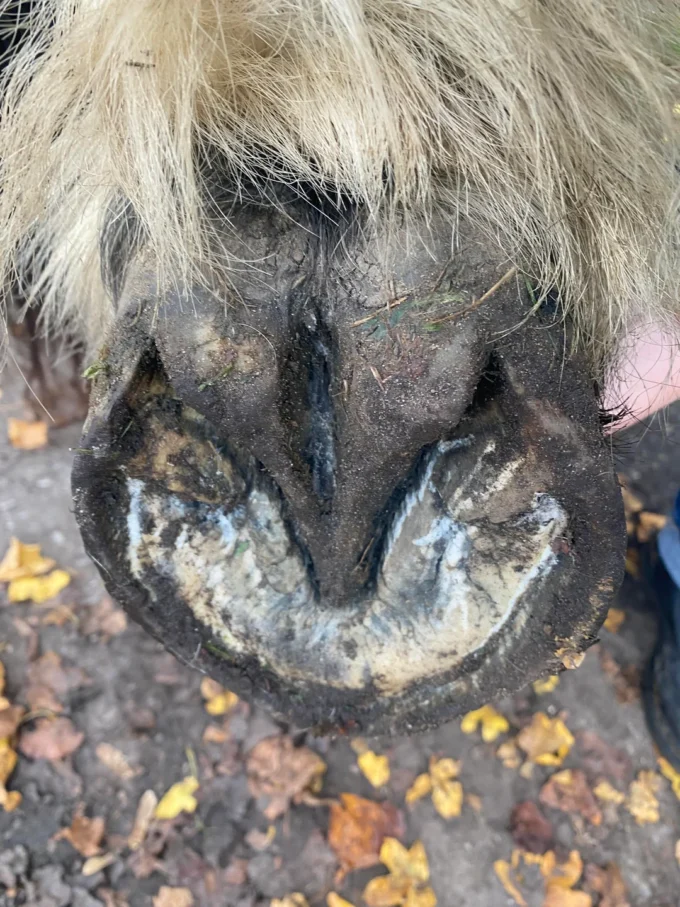
- Deep cracks or holes in the frog
- Sensitivity during hoof picking
- Swelling around the hoof
- Reluctance to walk on hard surfaces
- Mild to severe lameness
In advanced cases, the horse may shift weight frequently or show obvious discomfort while moving.
How to Diagnose Hoof Rot
A veterinarian or experienced farrier can usually identify hoof rot through a physical examination.
The affected hoof often displays characteristic tissue damage, odor, and discharge. In severe cases, the veterinarian may use hoof testers or imaging to determine whether deeper structures have become involved.
Prompt diagnosis helps prevent the infection from reaching sensitive tissues inside the hoof capsule.
Treating Hoof Rot in Horses
Successful treatment requires eliminating infection while encouraging healthy tissue growth.
1. Thorough Hoof Cleaning
The first step is removing dirt, manure, and infected material.
Clean the hoof daily using a hoof pick and stiff brush. Pay close attention to grooves around the frog where bacteria often accumulate.
Consistent cleaning reduces the number of infectious organisms and improves the effectiveness of treatment products.
2. Farrier Debridement
A qualified farrier may need to trim away dead or infected tissue.
Removing damaged tissue exposes healthy areas to oxygen and allows medications to penetrate more effectively. Proper debridement often speeds recovery significantly.
Never attempt aggressive trimming without professional guidance.
3. Apply Antimicrobial Treatments
Several products can help eliminate infection.
Common options include:
- Commercial thrush and hoof rot treatments
- Copper sulfate preparations
- Iodine-based solutions
- Antimicrobial hoof disinfectants
Follow label directions carefully and avoid overusing harsh chemicals that may damage healthy tissue.
4. Keep the Hoof Dry
Dry conditions are critical for healing.
Move the horse to a clean, dry environment whenever possible. Improve drainage in paddocks and remove wet bedding regularly.
Reducing moisture helps prevent reinfection and allows damaged tissue to recover.
5. Address Underlying Hoof Problems
Cracks, white line disease, and poor hoof balance can contribute to recurring infections.
Regular farrier care helps maintain proper hoof shape and reduces areas where bacteria can hide.
6. Veterinary Treatment for Severe Cases
Advanced infections may require veterinary intervention.
Your veterinarian may recommend:
- Prescription medications
- Specialized hoof bandaging
- Pain management
- Treatment for secondary infections
Prompt veterinary care is especially important if lameness becomes severe.
How Long Does Recovery Take?
Recovery time depends on the severity of the infection.
Mild cases often improve within one to two weeks when treated aggressively. More advanced hoof rot may require several weeks of consistent care before healthy tissue fully returns.
Patience and daily maintenance are essential during the healing process.
Common Mistakes Owners Make When Treating Hoof Rot
Even dedicated horse owners can make mistakes that slow healing or allow hoof rot to return. Understanding these common errors can help your horse recover faster and reduce the risk of recurring infections.
Stopping Treatment Too Early
One of the most common mistakes is ending treatment as soon as the hoof looks better. While the odor and discharge may disappear within a few days, harmful bacteria or fungi can still be present. Continue treatment for the full period recommended by your veterinarian or farrier to ensure the infection is completely eliminated.
Failing to Keep the Hoof Dry
Treatment products can only do so much if the horse continues standing in wet, muddy conditions. Constant moisture creates the perfect environment for infection to thrive. Improving drainage, providing dry bedding, and limiting exposure to standing water are essential parts of recovery.
Skipping Daily Hoof Cleaning
Hoof rot treatment is rarely successful without consistent hoof hygiene. Dirt, manure, and debris trapped in the frog and hoof grooves can quickly reinfect the area. Daily cleaning allows medications to reach affected tissues and helps monitor healing progress.
Missing Regular Farrier Appointments
Overgrown hooves often develop deep cracks and crevices where bacteria can hide. Delaying farrier visits may allow the infection to persist or worsen. Routine trimming helps maintain proper hoof balance and removes areas where moisture and debris accumulate.
Using Harsh Chemicals Excessively
Some owners assume stronger treatments will work faster. However, excessive use of harsh chemicals can damage healthy hoof tissue and slow healing. Always follow product directions and consult your veterinarian or farrier if you’re unsure about a treatment plan.
Ignoring Early Warning Signs
A slight odor, minor frog deterioration, or increased sensitivity may seem insignificant at first. Unfortunately, hoof rot can progress quickly when early symptoms are overlooked. Prompt treatment often prevents more serious tissue damage and lameness.
Treating the Infection but Not the Cause
Many horses experience recurring hoof rot because the underlying cause is never addressed. Muddy turnout areas, poor stall hygiene, nutritional deficiencies, or neglected hoof care routines can all contribute to repeated infections. Long-term success requires correcting these management issues as well as treating the infection itself.
Attempting Major Hoof Trimming Without Professional Help
Removing infected tissue is sometimes necessary, but aggressive trimming by an inexperienced owner can cause pain, bleeding, and additional damage. A qualified farrier should perform any significant debridement to ensure healthy tissue is preserved.
Key Takeaway
Most treatment failures occur because owners focus only on medication while overlooking daily hoof care and environmental management. Consistent cleaning, dry footing, regular farrier visits, and completing the full treatment plan give horses the best chance of making a complete recovery from hoof rot.
Preventing Hoof Rot in Horses
Prevention is always easier than treatment.
Follow these simple practices:
- Pick hooves daily
- Maintain clean stalls
- Improve pasture drainage
- Schedule regular farrier visits every 6 to 8 weeks
- Inspect hooves for early signs of infection
- Provide balanced nutrition that supports hoof growth
- Avoid prolonged exposure to mud and standing water
A proactive hoof care routine dramatically reduces the risk of infection.
Weekly Hoof Rot Prevention Checklist
✓ Pick hooves daily
✓ Check for odor
✓ Remove manure from stalls
✓ Inspect frog health
✓ Maintain dry turnout areas
✓ Schedule farrier visits every 6–8 weeks
✓ Monitor hoof cracks
When to Call a Veterinarian Immediately
While many mild cases of hoof rot can be managed with proper hoof care and farrier treatment, some situations require immediate veterinary attention. Delaying treatment in these cases can allow the infection to spread deeper into the hoof, increasing the risk of serious complications.
Contact your veterinarian as soon as possible if you notice any of the following signs:
Severe Lameness
If your horse is unwilling to walk, struggles to bear weight on the affected hoof, or appears significantly lame, the infection may have progressed beyond the superficial tissues. Severe pain often indicates a deeper problem that requires professional evaluation.
Swelling Above the Hoof
Swelling around the coronary band, pastern, or lower leg can signal that the infection is spreading beyond the hoof itself. This should never be ignored, as deeper infections can become much more difficult to treat.
Pus or Excessive Drainage
A small amount of discharge may occur with hoof rot, but significant pus drainage often suggests a more serious infection, hoof abscess, or tissue involvement that requires veterinary care.
Fever or Signs of Illness
If your horse develops a fever, loses appetite, appears lethargic, or shows other signs of illness, the infection may be affecting the horse’s overall health. Veterinary treatment is essential in these situations.
Deep Cracks or Extensive Tissue Loss
Severe deterioration of the frog, large cracks, or visible tissue destruction can expose sensitive structures within the hoof. Professional treatment helps prevent further damage and supports proper healing.
No Improvement After Treatment
If the hoof shows little or no improvement after one to two weeks of consistent cleaning and treatment, a veterinarian should examine the horse. Persistent infections may require prescription medications or additional diagnostic testing.
Repeated Hoof Rot Infections
Recurring infections often indicate an underlying issue such as poor hoof conformation, white line disease, chronic moisture exposure, or another hoof condition that needs professional assessment.
Suspected Hoof Abscess or Deep Infection
Hoof abscesses and deep tissue infections can produce symptoms similar to hoof rot but often require different treatment approaches. Sudden severe lameness, increased heat in the hoof, or a strong digital pulse should be evaluated promptly.
Don’t Wait if You’re Unsure
When it comes to hoof health, early intervention is almost always less expensive and more effective than treating a severe infection later. If you’re uncertain whether your horse’s condition is improving or worsening, contacting your veterinarian is the safest course of action.
A veterinarian and farrier working together can often provide the most effective treatment plan, helping your horse recover faster while preventing long-term hoof damage.
Frequently Asked Questions About Treating Hoof Rot in Horses
What causes hoof rot in horses?
Hoof rot is typically caused by bacteria or fungi that thrive in wet, dirty conditions. Horses that spend long periods in muddy paddocks, poorly maintained stalls, or areas with standing water are at a higher risk. Cracks, injuries, and poor hoof hygiene can also make it easier for infections to develop.
Is hoof rot contagious?
Hoof rot is not usually considered highly contagious from horse to horse. However, multiple horses living in the same wet and unsanitary environment may develop similar infections because they are exposed to the same disease-causing organisms. Maintaining clean, dry conditions helps reduce the risk across the entire herd.
Can hoof rot cause permanent hoof damage?
If treated early, most horses recover without lasting problems. However, severe or neglected cases can damage sensitive hoof structures, leading to chronic hoof issues, recurring infections, or long-term lameness. Early intervention offers the best chance of a full recovery.
How often should I clean an infected hoof?
An infected hoof should generally be cleaned at least once daily. In more severe cases, your veterinarian or farrier may recommend cleaning and treating the hoof twice a day. Regular cleaning removes debris, improves medication effectiveness, and allows you to monitor healing progress.
Can barefoot horses get hoof rot?
Yes. While barefoot horses may benefit from improved hoof function and natural wear, they can still develop hoof rot if they are exposed to excessive moisture, poor hygiene, or hoof injuries. Regular hoof care remains essential regardless of whether a horse wears shoes.
What is the fastest way to treat hoof rot in horses?
The fastest approach combines daily hoof cleaning, removal of infected tissue by a qualified farrier, appropriate antimicrobial treatment, and keeping the hoof as dry as possible. Addressing environmental conditions at the same time is critical for preventing reinfection.
How long does it take for hoof rot to heal?
Mild cases often show improvement within one to two weeks when treated consistently. More advanced infections may require several weeks of treatment and ongoing farrier care before the hoof fully recovers. Healing time depends on the severity of the infection and the horse’s overall hoof health.
Can hoof rot lead to lameness?
Yes. As the infection progresses, it can damage deeper tissues within the hoof, causing pain and inflammation. Many horses with advanced hoof rot become noticeably lame and may be reluctant to walk or bear weight on the affected foot.
Should I call a veterinarian or a farrier for hoof rot?
Both professionals can play an important role. A farrier can assess hoof balance, remove infected tissue, and identify hoof-related problems. A veterinarian should be consulted if the horse is lame, the infection is severe, swelling is present, or the condition does not improve with routine treatment.
How can I prevent hoof rot from coming back?
Preventing recurrence requires a long-term hoof care routine. Pick hooves daily, maintain clean stalls, improve drainage in turnout areas, schedule regular farrier visits, and address any hoof cracks or structural problems promptly. Consistent management is the most effective way to keep hoof rot from returning.
Can Horses Recover Fully From Hoof Rot?
Yes, most horses can recover fully from hoof rot when the condition is identified early and treated properly. In many cases, the infection affects only the outer layers of the frog or other soft hoof tissues, allowing healthy tissue to regenerate once the bacteria or fungi are eliminated.
Recovery depends on several factors, including:
- How early the infection is detected
- The severity of tissue damage
- The horse’s overall hoof health
- Consistency of treatment
- Environmental conditions during recovery
- Regular farrier and veterinary care
Mild cases often resolve within a few weeks with daily cleaning, antimicrobial treatment, and improved hoof hygiene. Horses usually return to normal activity once the infected tissue has healed and healthy hoof growth resumes.
More advanced cases may take longer to recover, especially if the infection has spread into deeper hoof structures. Severe hoof rot can lead to significant frog deterioration, pain, and temporary lameness. These horses may require professional debridement, ongoing farrier care, and veterinary treatment to achieve a full recovery.
The good news is that hoof tissue continually grows and repairs itself. Even when noticeable damage has occurred, many horses regain strong, healthy hooves over time with proper management.
Factors That Improve Recovery Success
To give your horse the best chance of a complete recovery:
- Clean and inspect hooves daily
- Keep stalls and turnout areas as dry as possible
- Follow all treatment recommendations
- Schedule regular farrier visits
- Address hoof cracks and other structural issues promptly
- Provide balanced nutrition that supports hoof growth
When Recovery May Be More Difficult
Recovery can be slower if hoof rot is left untreated for an extended period. Chronic infections may damage deeper tissues, create recurring hoof problems, or contribute to long-term lameness. Horses with poor hoof quality, underlying health issues, or constant exposure to wet conditions may also experience repeated infections.
Final Line:-
Most horses recover completely from hoof rot and return to their normal level of activity. Early diagnosis, consistent treatment, and proper hoof management are the keys to preventing complications and restoring long-term hoof health. A combination of good horsemanship, regular farrier care, and a clean environment gives horses the best opportunity for a full recovery.
In brief:-
Treating hoof rot in horses requires a combination of proper cleaning, professional farrier care, antimicrobial treatment, and environmental management. The earlier the infection is identified, the easier it is to eliminate before significant hoof damage occurs.
Regular hoof inspections, dry living conditions, and routine farrier visits remain the best defenses against hoof rot. By acting quickly when symptoms appear, horse owners can protect hoof health, prevent lameness, and keep their horses comfortable and sound throughout the year.
Horse Hoof Fungus Treatment Practices Recommended by Farriers




Leave a comment