

Deep Central Sulcus Thrush in Horses: What Every Horse Owner Needs to Know
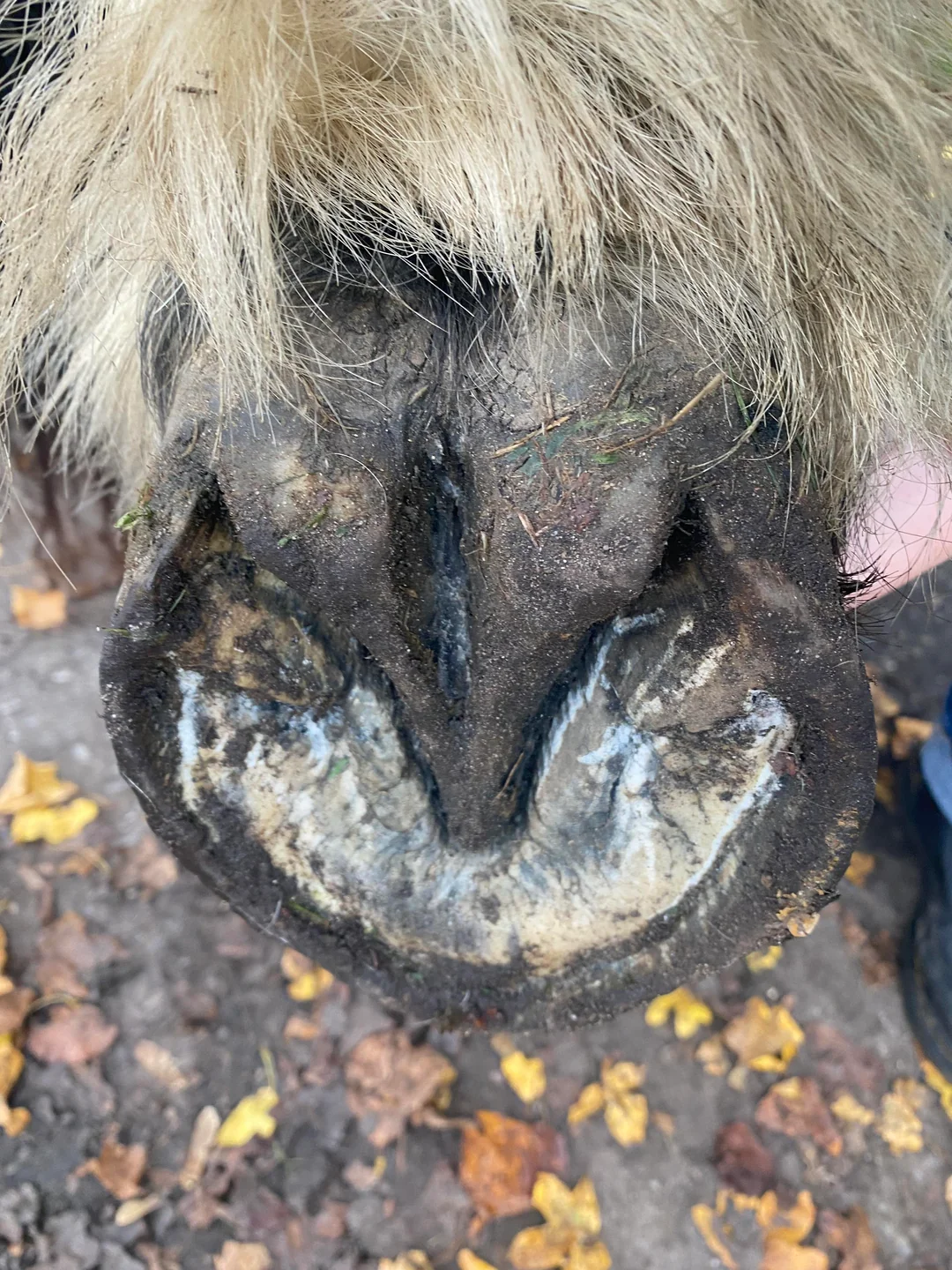
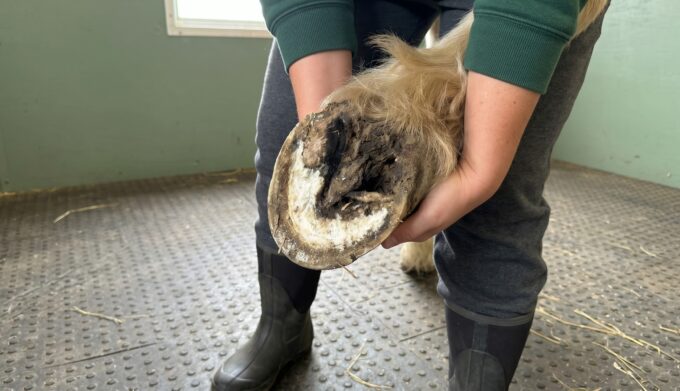
If your horse’s frog has a deep crack in the center that smells bad, turns black, or makes your horse flinch when you clean it, you may be dealing with deep central sulcus thrush. This is one of the most overlooked hoof problems in horses, and many owners mistake it for “just a deep groove.” In reality, it can become painful enough to affect movement, performance, and overall hoof health.
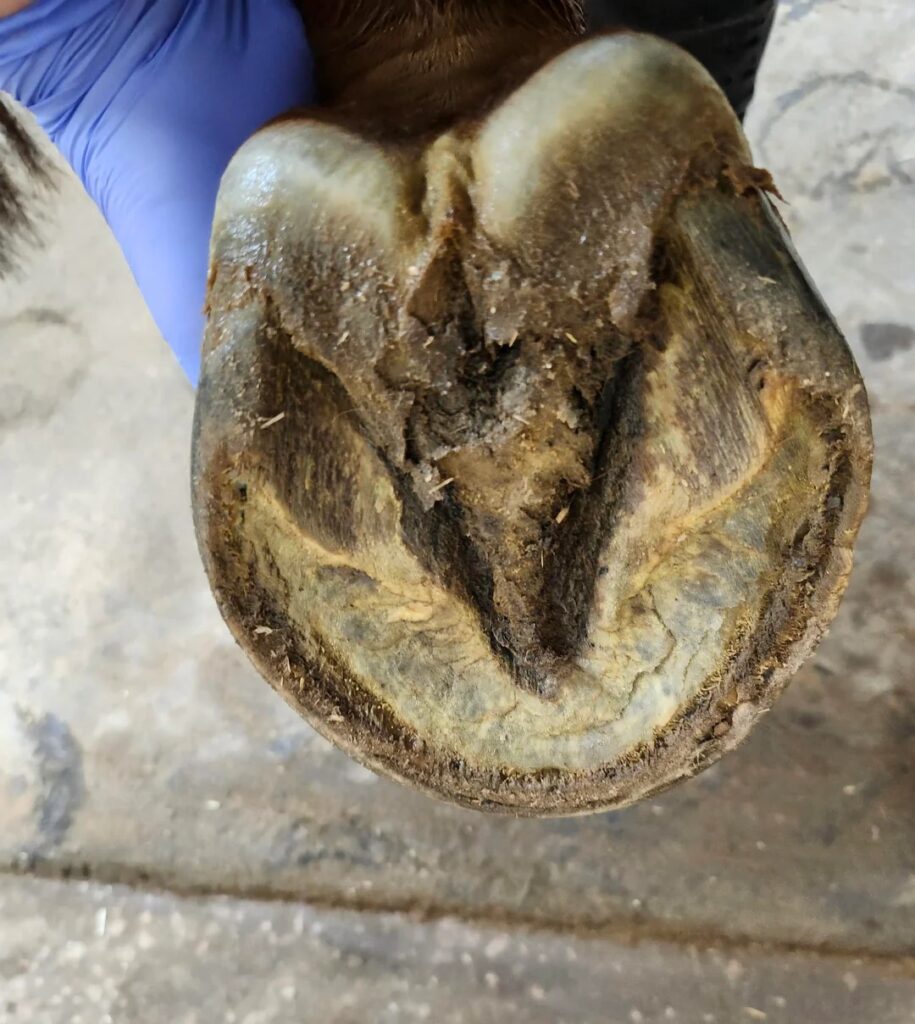
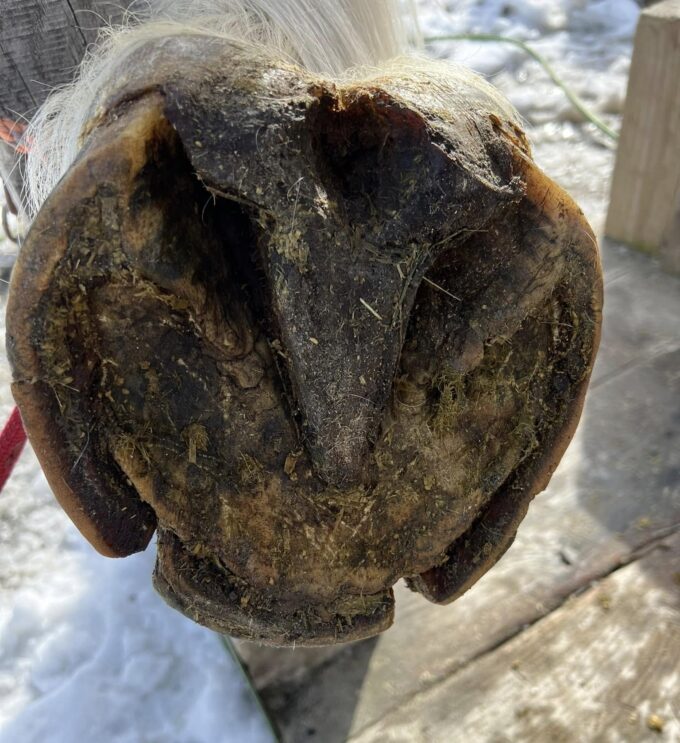
The central sulcus is the groove that runs down the middle of the frog. In a healthy hoof, this groove is shallow and open. But when thrush invades the tissue, the sulcus becomes deep, narrow, infected, and sensitive. In severe cases, the crack can extend far up between the heel bulbs, creating a painful split that traps bacteria and moisture.
Many horses with deep central sulcus thrush continue working without obvious lameness at first. That’s why the condition often gets ignored until the horse starts showing heel pain, short strides, stumbling, or resistance under saddle.
What Causes Deep Central Sulcus Thrush?
Thrush is caused by bacteria and fungi thriving in wet, dirty, oxygen-poor environments. The central sulcus becomes the perfect hiding place for infection when the hoof isn’t functioning properly.
Several factors increase the risk:
- Constant exposure to mud, manure, or wet bedding
- Long, contracted heels
- Poor hoof balance
- Lack of regular trimming
- Weak frog contact with the ground
- Dirty stalls or paddocks
- Horses standing in moisture for long periods
One important thing many owners miss is that deep sulcus thrush is often connected to hoof shape. Contracted heels squeeze the frog tightly, creating a narrow crack where bacteria can live deep inside. Simply applying medication without correcting the hoof mechanics usually leads to recurring thrush.
Signs of Deep Central Sulcus Thrush in horses
Not all thrush looks dramatic from the outside. Some horses have severe infections hidden deep inside the frog.
Common signs include:
- Deep crack in the center of the frog
- Strong foul odor
- Black discharge
- Bleeding when cleaned
- Sensitivity when picking the hoof
- Horse jerking the foot away
- Narrow or pinched heels
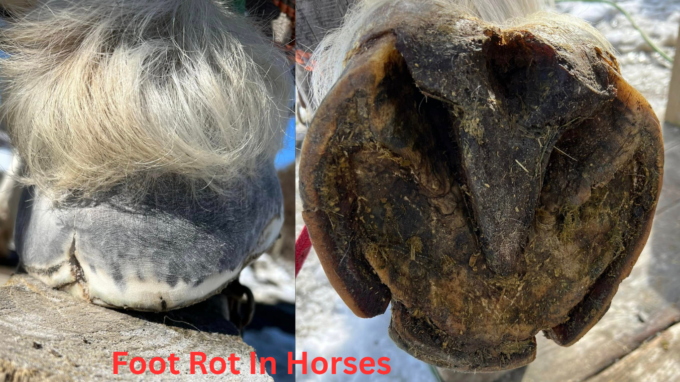
- Frog tissue that looks shredded or rotten
- Shortened stride
- Landing toe-first instead of heel-first
A healthy frog should feel firm and broad. If the center groove looks like it could “swallow the hoof pick,” there’s likely a problem developing.
Why Deep Central Sulcus Thrush Is More Serious Than Regular Thrush
Mild surface thrush affects the outer frog tissue. Deep central sulcus thrush goes much deeper into sensitive tissue near the digital cushion and heel structures.
This is where the real danger begins.
The infection can create chronic heel pain that changes how the horse moves. Many horses start avoiding heel contact because stepping on the infected area hurts. Over time, this abnormal movement pattern can contribute to:
- Heel contraction
- Weak digital cushion development
- Navicular-type pain
- Poor circulation in the hoof
- Increased concussion on joints and tendons
Some horses labeled “mysteriously unsound” are actually dealing with untreated central sulcus infections.
How to Check for Deep Sulcus Thrush
Pick up the hoof and look closely at the center of the frog.
A healthy sulcus should appear open and shallow. If you see a narrow crack extending upward between the heel bulbs, inspect carefully.
Use your hoof pick gently. Signs of infection include:
- Soft tissue
- Black goo
- Bad smell
- Deep hidden crevice
- Pain response from the horse
Sometimes the infection is so deep that the crack bleeds slightly during cleaning. That usually means sensitive tissue has already been affected.
The Biggest Mistake Horse Owners Make
The biggest mistake is treating only the surface.
Many owners spray medication on top of the frog while the infection remains buried deep inside the crack. The outside may look better temporarily, but the bacteria continue growing where oxygen cannot reach.
Another common mistake is keeping the horse in the same wet environment while expecting the infection to heal. Thrush treatment almost always fails if hoof hygiene and environmental conditions stay poor.
Best Treatment for Deep Central Sulcus Thrush
Successful treatment usually requires a combination of cleaning, hoof correction, and environmental management.
1. Clean the Hoof Thoroughly
Start by removing packed debris from the sulcus. Be gentle but thorough. You need to expose the infected area so treatment can reach deep inside.
Some farriers recommend soaking or flushing the crack before applying medication.
2. Keep the Hoof Dry
Moisture feeds thrush bacteria. Clean dry bedding and regular turnout in dry conditions can make a huge difference.
Avoid letting horses stand in urine-soaked stalls or muddy paddocks for long periods.
3. Use Effective Thrush Treatments
Many products can help when applied consistently. Common options include:
- Copper sulfate-based treatments
- Iodine solutions
- Commercial thrush medications
- Antimicrobial hoof packing
- Drying agents
The key is reaching the deepest part of the crack. Some owners use gauze or cotton to hold medication inside the sulcus temporarily.
4. Correct Hoof Balance
This step is critical.
If contracted heels or poor trimming created the deep crack in the first place, the infection may return repeatedly unless hoof mechanics improve.
A skilled farrier can help:
- Open contracted heels
- Improve frog function
- Encourage heel-first landing
- Restore healthier hoof shape
Proper frog stimulation helps improve circulation and natural hoof cleaning.
How Long Does It Take to Heal?
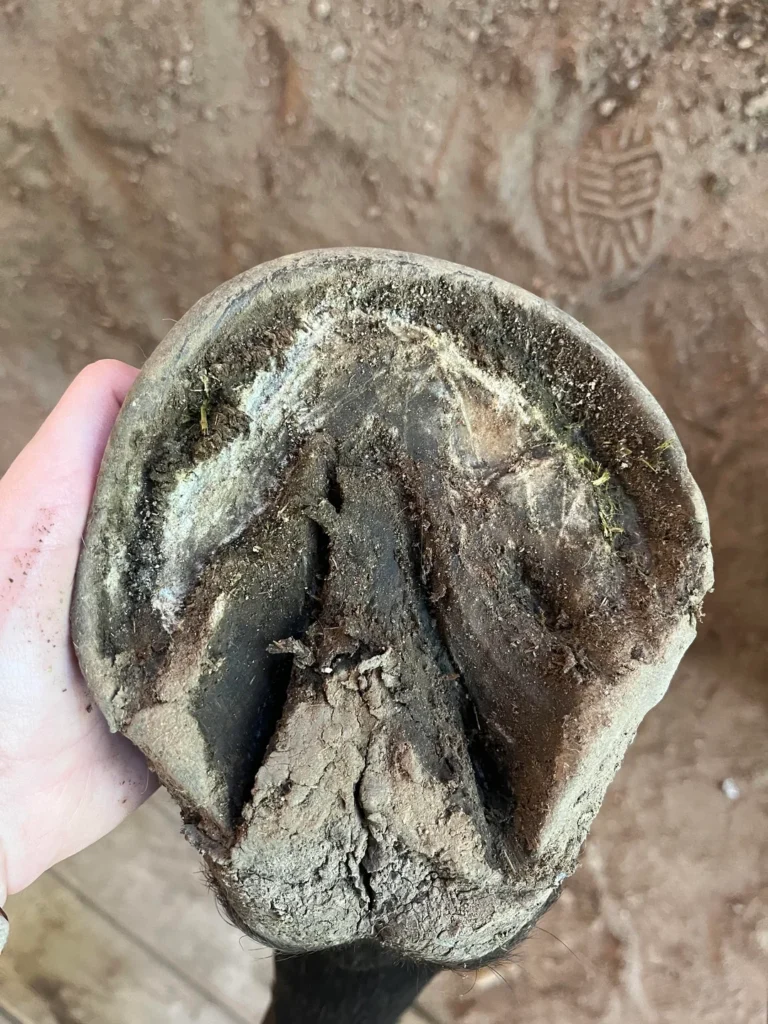
Mild cases may improve within a couple of weeks. Deep infections can take months to fully resolve, especially if heel contraction is involved.
Consistency matters more than aggressive treatment.
Owners often stop treatment too early when the surface looks better. But deep tissue may still be healing underneath.
Watch for:
- Reduced odor
- Shallower sulcus
- Firmer frog tissue
- Wider heels
- Less sensitivity
- Improved movement
Healing usually happens gradually as healthier frog tissue grows in.
Can Horses Become Lame From Central Sulcus Thrush?
Absolutely.
Some horses become severely uncomfortable, especially on hard ground. Others show subtle signs that are easy to miss:
- Refusing jumps
- Short choppy stride
- Frequent stumbling
- Difficulty turning
- Resistance during work
- Poor performance
- Reluctance to move forward
Because the infection sits deep near sensitive structures, pain can become significant even when the outside of the hoof looks “not too bad.”
Prevention Tips That Actually Work
Preventing deep sulcus thrush is much easier than treating advanced cases.
Here’s what helps most:
Regular Hoof Cleaning
Pick out feet daily, especially during wet seasons.
Consistent Farrier Care
Balanced trimming prevents heel contraction and improves frog health.
Dry Living Conditions
Clean stalls and dry turnout areas reduce bacterial growth dramatically.
Encourage Movement
Movement improves circulation and natural hoof function.
Monitor Frog Health Closely
Don’t ignore deep cracks, odor, or sensitivity. Early treatment prevents major problems later.
Barefoot vs Shod Horses
Deep central sulcus thrush can affect both barefoot and shod horses.
However, horses with weak frogs, contracted heels, or limited frog contact often struggle more. In some cases, poor shoeing mechanics can contribute to heel contraction and reduced frog stimulation.
That doesn’t automatically mean shoes are bad. Many horses perform well with proper therapeutic shoeing. The real issue is whether the hoof is functioning correctly and staying healthy.
A well-managed barefoot horse with strong heel engagement may naturally resist thrush better, but poor barefoot management can still create severe infections.
When to Call a Veterinarian or Farrier
You should seek professional help if:
- The horse becomes lame
- The sulcus is extremely deep
- The area bleeds heavily
- The infection keeps returning
- The horse reacts painfully during cleaning
- Heel bulbs appear split
- Home treatment is not improving the condition
A good farrier-veterinarian partnership often gives the best results in difficult cases.
Homemade-thrush-treatment-for-horses
Best Hoof Oil for Thrush
Real Case Examples
Case Example 1: “It Wasn’t Just Mild Thrush”
A barrel horse had been treated for “basic thrush” for nearly two months. The owner cleaned the feet regularly and used spray treatments every few days, but the horse still landed toe-first and felt short-strided during turns.
When the frog was examined more closely, the central sulcus had a deep split extending high between the heel bulbs. The crack looked small from the outside, but once cleaned properly, there was black infected tissue buried deep inside.
After improving the trim, opening the contracted heels slightly, and packing the sulcus daily with medication, the horse started moving more comfortably within a few weeks. The biggest change came when the frog finally began touching the ground correctly again.
The owner later said, “I thought it was just ugly frog tissue. I didn’t realize my horse was actually sore.”
Case Example 2: The Horse That “Hated” Having His Feet Picked
One gelding constantly jerked his hind foot away during cleaning. The owner assumed he was just difficult.
But the real issue was a painful central sulcus infection hidden deep inside the frog. The crack was narrow enough that dirt stayed trapped constantly. Every time the hoof pick touched the area, the horse reacted from pain.
Once the infection was treated and the hoof balance improved, the horse stopped fighting during hoof cleaning almost completely.
A lot of horses labeled as “bad for the farrier” are actually trying to avoid discomfort.
Case Example 3: Persistent Heel Pain That Wasn’t Navicular
An older performance horse had intermittent heel pain for months. Different pads and shoeing adjustments helped temporarily, but the soreness always returned.
Eventually, the farrier noticed a severe deep central sulcus crack hidden beneath folded frog tissue. The infection had likely been present much longer than anyone realized.
After several weeks of aggressive thrush management and improved hoof mechanics, the horse began landing heel-first again for the first time in months.
The owner admitted they had focused so much on shoeing that they overlooked the frog completely.
Expert Insights From Farriers and Veterinarians
Many experienced hoof-care professionals consider deep central sulcus thrush one of the most underdiagnosed causes of heel pain in horses.
Farrier Luke Reynolds explains it this way:
“If the horse refuses to load the heels, I always check the frog before assuming it’s something more complicated. A deep infected sulcus can make a horse move like it has navicular pain.”
Another farrier, Jenna Cole, often sees recurring thrush linked to contracted heels:
“You can’t expect the frog to heal if the hoof capsule keeps crushing it shut. Sometimes the infection is only part of the problem. The hoof shape itself needs to improve.”
Equine veterinarian Dr. Melissa Harding says many owners underestimate how painful deep thrush can become:
“People think thrush is cosmetic because some horses stay sound for a long time. But once the infection reaches sensitive tissue, the horse may start compensating in ways that affect the entire body.”
She also warns against relying only on strong chemicals:
“Killing bacteria matters, but healthy frog tissue needs oxygen, circulation, and proper function too. You can’t burn your way to a healthy hoof.”
Frequently Asked Questions About Deep Central Sulcus Thrush in horses
1.Can deep central sulcus thrush make a horse lame?
Yes. Some horses become noticeably lame, especially on hard ground. Others show subtle signs like short strides, stumbling, toe-first landing, or resistance during work.
2.Why does the frog crack stay deep even after treatment?
In many cases, the hoof mechanics are still poor. Contracted heels or weak frog function can keep the sulcus closed and narrow, allowing bacteria to return repeatedly.
3.Is black frog tissue always thrush?
Not always. Some shedding frog tissue can appear dark naturally. But strong odor, sensitivity, discharge, or deep cracks usually point toward infection.
4.Can horses get deep sulcus thrush in dry climates?
Yes. Wet conditions increase risk, but contracted heels and poor frog function can trap bacteria even in relatively dry environments.
5.Should I cut away the frog myself?
It’s usually safer to have an experienced farrier or veterinarian evaluate severe cases. Over-trimming sensitive tissue can make the horse sore and delay healing.
6.How often should I treat deep sulcus thrush?
Consistency matters more than intensity. Mild cleaning and regular treatment daily or every other day usually work better than aggressive treatment once a week.
7.Can shoeing cause central sulcus thrush?
Poor hoof balance or excessive heel contraction can contribute to it, whether the horse is shod or barefoot. Proper hoof function matters more than simply blaming shoes alone.
8.Does deep sulcus thrush smell bad?
Almost always. A strong foul odor is one of the clearest warning signs of infection deep inside the frog.
9.How do I know the infection is healing?
You’ll usually notice:
- Less odor
- Firmer frog tissue
- Wider, healthier-looking heels
- Reduced sensitivity
- Shallower central sulcus
- Better movement from the horse
Healing takes time, especially in long-standing cases.
In short:-
Deep central sulcus thrush is far more than a cosmetic frog problem. It can affect movement, comfort, hoof development, and long-term soundness if ignored.
The good news is that most horses improve significantly when the infection is treated early and the hoof mechanics are corrected properly.
Healthy frogs should be wide, firm, and functional – not deep, narrow, and painful.
If your horse has a crack in the center of the frog that smells bad or causes sensitivity, don’t dismiss it as “normal.” Catching deep sulcus thrush early can save months of discomfort and prevent bigger hoof problems down the road.






Leave a comment