

Horse Hoof Care Basics for First-Time Owners
A horse’s hooves are often compared to the foundation of a house. No matter how healthy or athletic a horse may be, poor hoof care can quickly lead to discomfort, lameness, and costly veterinary bills. For first-time horse owners, learning the basics of hoof care is one of the most important responsibilities of horse ownership.
The good news is that hoof care does not have to be complicated. With regular attention, proper nutrition, and routine farrier visits, you can help keep your horse’s feet healthy and strong.
Why Horse Hoof Care Basics for First-Time Owners Matter
Learning the horse hoof care basics for first-time owners is essential because a horse’s overall health and soundness depend heavily on healthy feet. Horses place their entire body weight on their hooves, making proper hoof care a critical part of daily management. Without regular attention, hoof problems such as thrush, cracks, abscesses, and laminitis can develop, leading to discomfort and costly treatment.
For new horse owners, understanding the basics of hoof cleaning, routine farrier care, and early problem detection can help prevent many common hoof issues. Simple tasks like picking out hooves daily and scheduling regular trims keep the feet balanced and healthy. Consistent hoof care also improves a horse’s comfort, movement, and long-term performance.
By learning these essential hoof care practices early, first-time owners can build a strong foundation for responsible horse ownership and help their horses stay healthy, active, and sound for years to come.
Why Horse Hoof Care Matters
The old saying “No Foot, No Horse” exists for a reason. A horse carries its entire body weight on four relatively small hooves. These structures absorb shock, provide traction, and support movement on various surfaces.
Neglecting hoof care can lead to problems such as:
- Hoof cracks
- Thrush
- White line disease
- Abscesses
- Laminitis
- Uneven hoof wear
- Lameness
Regular maintenance helps identify problems early before they become serious.
Understanding Basic Hoof Anatomy
Before caring for your horse’s feet, it helps to understand the main parts of the hoof.
Hoof Wall
The hoof wall is the hard outer covering visible when looking at the hoof. It protects internal structures and bears much of the horse’s weight.
Sole
The sole covers the bottom of the hoof and helps protect sensitive tissues inside the foot.
Frog
The frog is the V-shaped structure in the center of the hoof. It helps absorb shock and promotes healthy blood circulation.
White Line
The white line connects the hoof wall to internal structures. Damage or infection in this area can lead to hoof problems.
Pick Out Hooves Daily
One of the easiest and most important hoof care tasks is cleaning your horse’s feet every day.
Use a hoof pick to remove:
- Mud
- Manure
- Small stones
- Packed dirt
- Debris around the frog
Daily cleaning allows you to spot problems before they worsen. While picking out hooves, check for:
- Unusual odor
- Cracks
- Soft spots
- Bruising
- Loose shoes
- Signs of injury
Many hoof issues begin as small problems that are easy to miss if feet are not checked regularly.
Schedule Regular Farrier Visits
Even horses that are not ridden need routine hoof trimming.
Most horses require a farrier visit every 6 to 8 weeks, although some may need more frequent attention depending on hoof growth, workload, and environment.
A farrier can:
- Trim overgrown hooves
- Correct imbalances
- Monitor hoof health
- Apply horseshoes when necessary
- Identify early signs of disease
Skipping farrier appointments often leads to long toes, cracked walls, and poor hoof balance that can affect the entire horse.
Learn the Signs of Healthy Hooves
Healthy hooves generally have several common characteristics:
- Smooth hoof walls
- Minimal cracking
- Strong heel structure
- Clean frog
- No foul smell
- Even growth pattern
When a horse walks comfortably and the hooves appear balanced, it is usually a good sign that hoof care is on track.
Watch for Common Hoof Problems
First-time owners should become familiar with several common hoof conditions.
Thrush
Thrush is a bacterial infection that affects the frog.
Signs include:
- Black discharge
- Strong odor
- Tenderness
- Soft frog tissue
Keeping stalls clean and picking feet daily can help reduce the risk.
Hoof Cracks
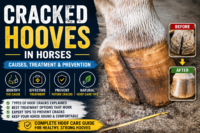
Small cracks may be cosmetic, but deeper cracks can affect hoof stability.
Possible causes include:
- Dry conditions
- Poor trimming
- Nutritional deficiencies
- Trauma
Abscesses
Hoof abscesses are painful infections that often cause sudden lameness.
Symptoms may include:
- Heat in the hoof
- Strong digital pulse
- Reluctance to bear weight
Prompt treatment is important to relieve discomfort.
Laminitis
Laminitis is a serious condition involving inflammation within the hoof.
Early signs include:
- Reluctance to move
- Shifting weight between feet
- Increased hoof heat
- Strong pulse in the foot
Immediate veterinary attention is necessary if laminitis is suspected.
Nutrition Plays a Major Role in Hoof Health
Strong hooves begin with proper nutrition.
A balanced diet supports healthy hoof growth and improves hoof quality over time.
Important nutrients include:
- Biotin
- Zinc
- Copper
- Amino acids
- Quality protein
Since hoof growth is slow, improvements from nutrition may take several months to become visible.
Providing clean water, high-quality forage, and balanced minerals can make a noticeable difference in hoof condition.
Keep the Environment Clean and Dry
A horse’s living environment affects hoof health more than many owners realize.
Constant exposure to wet, muddy conditions can soften the hoof and increase the risk of infections.
To promote healthier feet:
- Clean stalls regularly
- Improve pasture drainage
- Remove manure frequently
- Provide dry standing areas
Good stable management often prevents many common hoof problems before they start.
Do All Horses Need Shoes?
Not necessarily.
Many horses remain barefoot throughout their lives and perform well with proper trimming.
Shoes may be recommended for horses that:
- Work on hard surfaces
- Require additional traction
- Have corrective hoof needs
- Participate in demanding athletic activities
Your farrier can help determine whether shoes are necessary based on your horse’s individual needs.
Seasonal Hoof Care Considerations
Hoof care requirements can change throughout the year.
Spring and Summer
Wet conditions may increase the risk of thrush and soft feet.
Fall
Changing moisture levels can affect hoof growth and quality.
Winter
Frozen ground may increase hoof wear and the risk of bruising.
Monitoring hoof condition throughout the year helps owners adjust management practices as needed.
How to Trim a Horse Hoof Safely
In Short:-
For first-time horse owners, hoof care can seem intimidating at first. However, most hoof problems can be prevented through simple, consistent management. Daily hoof cleaning, regular farrier visits, proper nutrition, and a clean environment form the foundation of healthy horse feet.
By learning to recognize early warning signs and maintaining a regular hoof care routine, you’ll help your horse stay comfortable, sound, and ready for work or pleasure riding for years to come.
Remember, healthy hooves are not built overnight. Consistent care today will pay off with stronger, healthier feet in the future.






Leave a comment