

9 Horse Thyroid Problems Every Owner Should Know: Symptoms, Testing, and Treatment
Horse thyroid problems are often misunderstood. Many horse owners blame the thyroid when a horse gains weight, develops a poor coat, struggles with low energy, or experiences slow hoof growth. While thyroid hormones play an important role in metabolism and overall health, true thyroid disease in horses is far less common than many people believe.
As a farrier, I’ve heard countless discussions about low thyroid in horses whenever hoof quality declines or weight management becomes difficult. In reality, several horse metabolic disorders can mimic thyroid issues, making proper diagnosis essential.
This guide explains horse thyroid problems, equine hypothyroidism, symptoms to watch for, thyroid testing in horses, available treatments, and how thyroid health can affect your horse’s hooves.
What Are Horse Thyroid Problems?
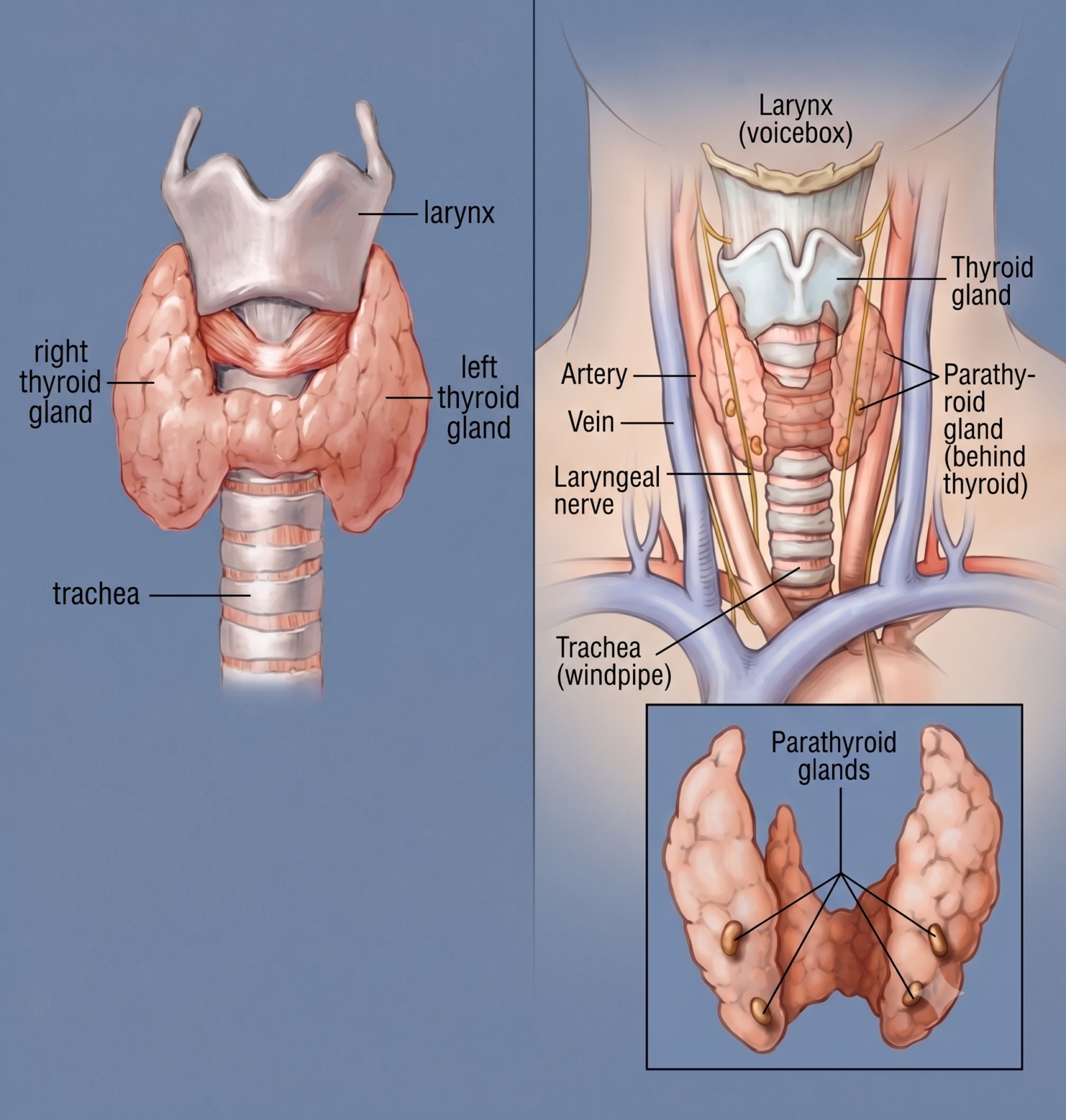
The thyroid gland sits in the horse’s neck and produces hormones that regulate metabolism, growth, energy use, and tissue development.
The primary thyroid hormones include:
- Thyroxine (T4)
- Triiodothyronine (T3)
These hormones influence:
- Body weight
- Energy levels
- Muscle development
- Hair coat quality
- Growth in young horses
- Hoof growth and repair
- Overall metabolic function
When hormone production becomes abnormal, various equine thyroid problems may develop.
Can Horses Have Thyroid Problems?
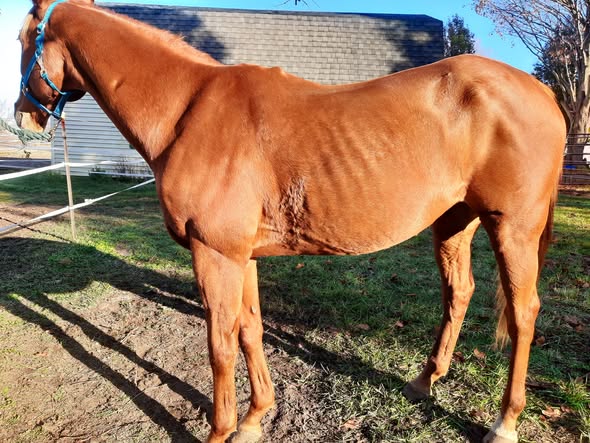
One of the most common questions horse owners ask is: Can horses have thyroid problems?
The answer is yes, but genuine thyroid disease in horses is relatively rare compared to dogs, cats, and humans.
Many horses once diagnosed with thyroid disorders were later found to have conditions such as:
- Equine Metabolic Syndrome (EMS)
- Pituitary Pars Intermedia Dysfunction (PPID or Cushing’s disease)
- Obesity-related metabolic changes
- Nutritional deficiencies
Because these conditions can affect horse thyroid hormone levels, accurate veterinary testing is necessary before concluding that the thyroid gland is the root cause.
Understanding Equine Hypothyroidism
Equine hypothyroidism occurs when the thyroid gland fails to produce adequate amounts of thyroid hormones.
Although true hypothyroidism in horses is uncommon, it can occur in both foals and adult horses.
Equine Hypothyroidism in Foals
Foals born with thyroid deficiencies may experience:
- Weakness
- Delayed growth
- Skeletal abnormalities
- Flexural limb deformities
- Poor development
Early veterinary treatment is critical for affected foals.
Equine Hypothyroidism in Adult Horses
Adult horses with confirmed hypothyroidism may develop:
- Weight gain
- Lethargy
- Reduced performance
- Poor coat quality
- Slow hoof growth
- Exercise intolerance
Because these signs overlap with many other horse metabolic disorders, diagnosis should never rely on symptoms alone.
What Causes Thyroid Disease in Horses?
Several factors can contribute to thyroid disease in horses.
Iodine Imbalances
Both iodine deficiency and excessive iodine intake can interfere with thyroid function.
Potential sources include:
- Mineral supplements
- Commercial feeds
- Kelp-based products
- Environmental factors
Congenital Conditions
Some foals are born with thyroid abnormalities that affect hormone production.
Chronic Illness
Long-term illness can temporarily suppress horse thyroid hormone levels without indicating true thyroid disease.
Nutritional Deficiencies
Poor nutrition may contribute to hormonal imbalances and metabolic dysfunction.
Certain Medications
Some medications can affect thyroid testing results and hormone concentrations.
Symptoms of Hypothyroidism in Horses
Recognizing hypothyroidism in horses signs and symptoms can be challenging because many are vague and overlap with other health conditions.
Common symptoms of hypothyroidism in horses include:
Weight Gain
Horse weight gain and thyroid issues are frequently linked in owner discussions.
Affected horses may gain weight despite controlled feeding and limited calorie intake.
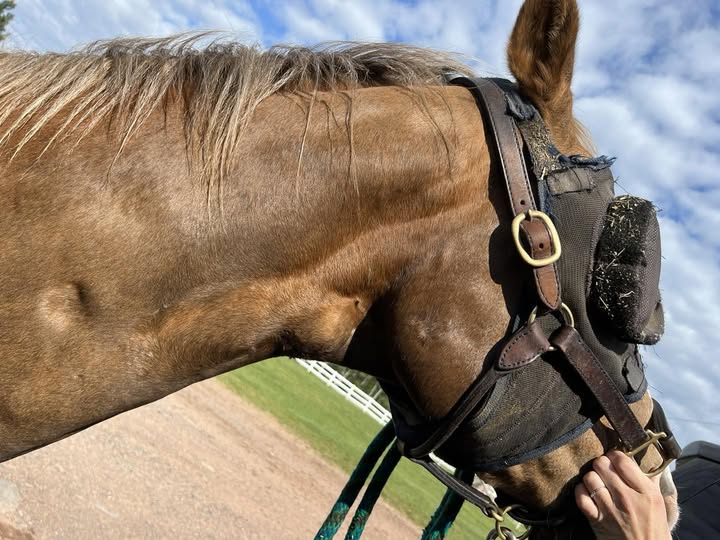
Low Energy Levels
Many horses become:
- Sluggish
- Less willing to exercise
- Easily fatigued
Reduced Athletic Performance
Performance horses may show:
- Poor stamina
- Delayed recovery
- Reduced work capacity
Poor Hair Coat
Owners may notice:
- Dull coat appearance
- Delayed shedding
- Rough hair texture
Slow Hoof Growth
From a farrier’s perspective, this is often one of the most noticeable concerns.
Possible hoof-related signs include:
- Reduced hoof growth
- Weak hoof walls
- Slow crack repair
- Poor horn quality
Muscle Loss
Some horses develop reduced muscle tone despite adequate feeding.
Horse Weight Gain and Thyroid Issues
Many owners assume every overweight horse suffers from a thyroid problem.
In reality, horse weight gain and thyroid issues are often less connected than expected.
Most overweight horses are actually affected by:
- Excess calorie intake
- Lack of exercise
- Equine Metabolic Syndrome
- Insulin resistance
While low thyroid in horses can contribute to weight gain, obesity alone is not proof of thyroid disease.
This is one reason veterinary testing is so important before beginning treatment.
Horse Thyroid Hormone Levels and What They Mean
Veterinarians often evaluate horse thyroid hormone levels when investigating metabolic or endocrine concerns.
Important measurements include:
Total T4
This is the most commonly tested thyroid hormone.
Free T4
Free T4 represents the biologically active portion available to tissues.
T3
T3 is another hormone involved in regulating metabolism.
Low hormone values do not automatically confirm equine thyroid disease.
Illness, stress, medications, and nutritional factors can temporarily lower thyroid hormone levels without indicating true hypothyroidism.
Thyroid Testing in Horses
Accurate thyroid testing in horses requires more than a single blood sample.
Veterinarians typically evaluate:
- Clinical signs
- Medical history
- Body condition
- Blood hormone levels
- Other endocrine disorders
Additional testing may include:
- EMS screening
- Insulin testing
- ACTH testing for PPID
- Nutritional evaluation
Proper thyroid testing in horses helps prevent unnecessary treatment and identifies underlying health issues.
Why Thyroid Disease in Horses Is Often Misdiagnosed
One reason equine thyroid problems remain confusing is that several common conditions produce similar symptoms.
Equine Metabolic Syndrome (EMS)
EMS frequently causes:
- Weight gain
- Fat deposits
- Laminitis risk
- Reduced performance
Many horses diagnosed with thyroid issues are eventually found to have EMS instead.
PPID (Cushing’s Disease)
Older horses with PPID may develop:
- Long hair coats
- Weight changes
- Muscle loss
- Hoof problems
These signs often resemble symptoms associated with thyroid disease.
Poor Nutrition
Mineral deficiencies and poor-quality forage can affect coat condition, hoof quality, and energy levels.
Best Hoof supplements containing biotin and methionine
Horse Metabolic Disorders vs Thyroid Disease
When evaluating a horse with weight gain or performance issues, veterinarians often focus first on horse metabolic disorders.
Common metabolic conditions include:
- Equine Metabolic Syndrome
- PPID
- Insulin dysregulation
- Obesity-related metabolic dysfunction
These disorders occur far more frequently than true thyroid disease in horses.
For this reason, a comprehensive examination is essential before assuming the thyroid gland is responsible.
How Horse Thyroid Problems Affect Hoof Health
Hoof health reflects overall health.
Thyroid hormones influence:
- Tissue growth
- Blood circulation
- Cellular repair
- Protein metabolism
Potential hoof-related effects of equine thyroid disease include:
- Slower hoof growth
- Brittle hoof walls
- Reduced hoof strength
- Delayed healing
However, farriers often find that poor hoof quality is more commonly linked to:
- Nutritional deficiencies
- Laminitis
- White line disease
- Inconsistent trimming
- Environmental moisture changes
The thyroid should be considered one possible factor, not the automatic cause.
Thyroid Medication for Horses
When genuine hypothyroidism is confirmed, veterinarians may prescribe thyroid medication for horses.
The most commonly used option is synthetic levothyroxine.
Potential benefits include:
- Improved metabolism
- Increased energy
- Better weight management
- Support for normal hormone levels
Thyroid medication for horses should only be used under veterinary supervision.
Unnecessary supplementation can create new health problems and may mask the true underlying condition.
Nutrition and Thyroid Health
Good nutrition supports healthy thyroid function.
Horse owners should focus on:
- High-quality forage
- Balanced mineral intake
- Appropriate iodine levels
- Healthy body condition
- Controlled sugar and starch intake
Avoid supplementing iodine without veterinary guidance.
Both deficiency and excess can contribute to thyroid-related issues.
Horse Thyroid Problems and Laminitis
Horse thyroid problems are not considered a major direct cause of laminitis.
However, some horses with metabolic dysfunction may develop:
- Insulin resistance
- Obesity
- Endocrine abnormalities
These factors increase the risk of laminitis.
When a horse develops repeated laminitis episodes, veterinarians often investigate metabolic disorders before focusing on the thyroid gland.
Frequently Asked Questions About Equine Thyroid Disease
Can horses have thyroid problems?
Yes. Although uncommon, horses can develop thyroid disorders that affect metabolism and overall health.
What are the symptoms of hypothyroidism in horses?
Symptoms may include weight gain, lethargy, poor coat condition, reduced performance, and slow hoof growth.
Is low thyroid in horses common?
No. True hypothyroidism is relatively rare in adult horses.
How is thyroid disease in horses diagnosed?
Veterinarians use physical examinations, blood tests, thyroid hormone measurements, and screening for other metabolic disorders.
Can thyroid medication help horses lose weight?
It may help horses with confirmed thyroid dysfunction, but most overweight horses require dietary and management changes rather than thyroid medication.
Can thyroid issues in horses affect hoof growth?
Yes. Thyroid hormones influence tissue growth and metabolism, which may impact hoof development.
In Short:-
Horse thyroid problems certainly exist, but they are often misunderstood and sometimes over diagnosed. Conditions such as Equine Metabolic Syndrome and PPID are far more common causes of weight gain, poor performance, and hoof issues.
Understanding equine hypothyroidism, monitoring horse thyroid hormone levels, and pursuing proper thyroid testing in horses can help owners avoid unnecessary treatments and focus on the real cause of their horse’s symptoms.
From a farrier’s perspective, slow hoof growth and weak hoof quality should always prompt a closer look at the horse’s overall health. While thyroid disease may occasionally play a role, nutrition, metabolic health, and consistent hoof care remain the most important foundations for long-term soundness.
- equine hypothyroidism
- equine thyroid disease
- equine thyroid problems
- horse hormone imbalance
- horse thyroid problems
- horse weight gain and thyroid issues
- hypothyroidism in horses signs and symptoms
- low thyroid in horses
- symptoms of hypothyroidism in horses
- thyroid disease in horses
- thyroid gland in horses
- thyroid issues in horses







Leave a comment