


Horse Hoof Wall Separation Treatment
A healthy hoof wall should be tight, solid, and firmly connected to the structures inside the hoof. When that connection starts pulling apart, trouble follows fast. Hoof wall separation is one of those problems horse owners often ignore in the beginning because the horse may still walk sound. But once dirt, moisture, bacteria, or fungus enter the gap, the damage can spread deeper and become much harder to manage.
Farriers see this issue all the time, especially in wet seasons, neglected feet, horses with stretched white lines, or animals wearing overdue shoes. Some separations stay minor. Others turn into painful cracks, abscesses, or full-blown white line disease.
The good news is that most hoof wall separation cases improve when treated early and managed correctly.
What Is Hoof Wall Separation?
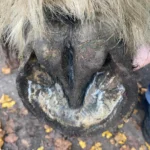
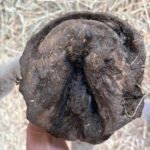
Hoof wall separation happens when the outer hoof wall begins separating from the inner structures of the hoof. You’ll usually notice a gap between the hoof wall and the sole or white line area. In some horses, the separation looks chalky or crumbly. In others, it forms a hollow space that traps mud and bacteria.
The condition can appear in one hoof or several. Front feet are more commonly affected because they carry more weight, but hind feet can develop separation too.
Many owners confuse hoof wall separation with a simple crack. They are related, but not always the same thing. A crack runs vertically through the hoof wall. Separation often starts underneath, where the wall loses attachment.

Common Causes of Hoof Wall Separation
Hoof wall separation rarely appears without a reason. Most cases come from ongoing stress placed on the hoof.
Poor Hoof Trimming Cycles
One of the biggest causes is delayed farrier work. Long toes stretch the white line and pull the hoof wall away from the foot. Over time, the attachment weakens.
A horse left eight to ten weeks between trims often develops flare and imbalance. Once the hoof starts levering outward, separation follows.
Wet and Dry Cycles
Constant moisture softens hoof horn. Then dry conditions make it brittle. This repeated swelling and shrinking weakens the hoof wall connection.
Horses standing in muddy paddocks for weeks are common candidates for wall separation.
White Line Disease
Bacteria and fungi can invade tiny cracks in the hoof. Once infection gets inside, it begins eating away damaged hoof tissue.
Some horses develop a hollow sound when the hoof is tapped because the infection has traveled upward behind the wall.
Improper Shoeing
Shoes left on too long can distort the hoof capsule. Poor nail placement or excessive pressure may also contribute to separation.
Not every shod horse develops problems, but neglected shoeing schedules increase the risk.
Nutritional Problems
Weak hoof quality can make separation worse. Horses lacking proper minerals, amino acids, or biotin may grow brittle hoof walls that crack easily.
Nutrition alone usually is not the main cause, but it definitely affects recovery speed.
Laminitis History
Horses with previous laminitis often develop stretched white lines and unstable hoof walls. Once the laminae weaken, separation becomes much easier.
Many horses with separation also develop fungal infections inside the hoof wall. Early treatment becomes important before the damage spreads deeper into the foot.
Best Supplements for Laminitis Horses
Signs You Should Not Ignore
Early treatment matters. The longer debris stays trapped inside the separation, the deeper the damage can spread.
Watch for these warning signs:
- Crumbly white line
- Hollow areas under the hoof wall
- Hoof wall flares
- Small cracks forming near the toe
- Black debris inside gaps
- Foul odor from the hoof
- Sensitivity on hard ground
- Repeated abscesses
- Loose or weak hoof wall
Some horses stay comfortable in early stages. Others become noticeably lame once infection reaches sensitive tissue.

How Farriers Diagnose Hoof Wall Separation
A good farrier usually spots separation during routine trimming.
The hoof gets cleaned thoroughly first. Then the farrier checks the white line for stretching, chalky horn, or cavities. Hoof testers may reveal tenderness if infection has reached deeper layers.
In severe cases, veterinarians may recommend X-rays to see how far the damage extends inside the hoof capsule.
That step becomes especially important when laminitis or coffin bone rotation is suspected.
Horse Hoof Wall Separation Treatment
Treatment depends on how advanced the condition has become. Mild separations can recover with trimming and environmental changes. Severe cases may need aggressive debridement and long-term management.
How To Treat Hoof Wall Separation
Treating hoof wall separation starts with identifying what caused the damage in the first place. Simply covering the crack or applying hoof products will not solve the issue if the hoof remains unbalanced or infected underneath.
The first priority is removing stress from the separated area. A farrier usually trims away excess flare and rebalances the hoof so the wall stops pulling apart with every step. Long toes and distorted hoof shape are common reasons separation keeps worsening.
Next, the damaged area must stay clean and dry. Dirt, manure, and moisture trapped inside the separation create the perfect environment for bacteria and fungus. In many cases, loose or crumbly hoof material needs to be carefully opened and cleaned out so air can reach the infected tissue.
Topical treatments may help control bacteria and fungal growth. Many farriers use iodine-based solutions, copper sulfate, or specialized white line disease products depending on the severity of the case. Consistency matters more than switching between multiple products every week.
Hoof wall separation also requires patience because healthy hoof takes time to grow down from the coronet band. Some horses improve within a few trimming cycles, while severe cases may take several months before the hoof becomes fully stable again.
Good footing, regular farrier visits, balanced nutrition, and shorter trim intervals all play a major role in successful recovery.
Corrective Trimming
The first step is removing leverage from the hoof wall.
A farrier trims excess flare and shortens stretched toes to reduce stress on the damaged area. This helps stop the separation from worsening.
In many cases, simply balancing the hoof properly already starts improving growth.
Cleaning Out Damaged Material
Loose and infected hoof material often needs removal.
Farriers carefully open the separated area so oxygen can reach infected tissue. Trapped bacteria thrive in dark, moist pockets. Once exposed to air, fungal growth usually slows down.
Owners sometimes panic when they see hoof wall removed, but hiding infection under the wall rarely helps.
Topical Treatments
After cleaning, the area should stay dry and disinfected.
Common treatments include:
- Copper sulfate
- Iodine-based products
- White line disease treatments
- Antifungal hoof sprays
- Drying powders
Over-soaking the hoof can actually worsen some separations, especially in already weakened walls.
Keeping the Hoof Dry
Environment matters more than many owners realize.
Mud, manure, and standing moisture constantly reintroduce bacteria into the separation. Horses recovering from hoof wall issues need clean footing whenever possible.
Dry paddocks and regular stall cleaning make a huge difference.
Supportive Shoeing or Boots
Some horses need additional support while healthy hoof grows down.
Depending on the case, a farrier may recommend:
- Bar shoes
- Glue-on shoes
- Hoof boots
- Pads
- Composite shoeing systems
The goal is reducing stress on the damaged wall while maintaining comfort.
Nutritional Support
Healthy hoof growth starts from inside the horse.
Many farriers recommend improving:
- Biotin intake
- Zinc levels
- Copper balance
- Amino acids
- Omega-3 fatty acids
New hoof growth takes time. Even with perfect care, a full hoof capsule may need close to a year to completely replace itself.
Real Case Example
One Quarter Horse gelding came in with repeated toe abscesses every few months. At first glance, the hoof looked normal besides mild flaring. Once the foot was trimmed and cleaned properly, a deep wall separation became obvious.
Black debris had tracked several inches upward behind the hoof wall. The horse never fully healed because the infection stayed trapped.
The treatment involved opening the cavity, rebalancing the hoof, applying topical disinfectants, and shortening the trim cycle to four weeks.
Within three months, healthier wall started growing down. By the next shoeing cycle, the horse moved noticeably better and stopped abscessing.
Cases like this are extremely common.
Mistakes That Make Hoof Wall Separation Worse
Some owners unintentionally delay healing by making avoidable mistakes.
Waiting Too Long Between Trims
This is probably the biggest one. Long toes continue pulling the wall apart every day.
Constant Hoof Oiling
Heavy oils can trap moisture and soften already weak hoof horn in wet climates.
Ignoring Small Separations
Tiny gaps rarely stay tiny forever if infection enters.
Treating Only the Surface
The visible crack is not always the full problem. Infection often extends deeper inside the hoof.
Keeping Horses in Wet Conditions
No treatment works well if the horse stands in mud twenty-four hours a day.
How Long Does Recovery Take?
Recovery depends on severity.
Minor separations may improve within a few trimming cycles. Severe wall damage can take six to twelve months to fully grow out.
Patience matters. Hoof horn grows slowly.
Consistency matters more than quick fixes.
Can Horses Still Be Ridden?
Some horses remain rideable during treatment. Others need rest.
It depends on:
- Depth of separation
- Presence of infection
- Lameness level
- Hoof stability
- Underlying conditions
Light work may actually help circulation in mild cases, but painful horses should never be pushed.
Your farrier and veterinarian should work together when deciding workload.
Preventing Hoof Wall Separation
Prevention is always easier than repair.
Good hoof care habits greatly reduce the risk.
Stick to Regular Farrier Visits
Most horses do best on a four to six week schedule.
Avoid Long Toes and Flares
Balanced feet experience less wall stress.
Keep Living Areas Clean
Dry footing lowers bacterial growth.
Feed for Hoof Quality
Strong hoof horn resists cracking better.
Inspect Hooves Frequently
Catching early separation prevents major damage later.
In Short:-
Horse hoof wall separation treatment is not about finding one miracle product. It comes down to proper trimming, reducing stress on the hoof, controlling infection, and giving healthy horn time to grow.
Farriers deal with this issue every season, especially in horses with overdue feet or poor environmental conditions. The earlier separation gets addressed, the better the outcome usually is.
A small gap today can become a major structural problem months later if ignored.
Healthy feet are built through consistency. Regular trimming, clean footing, balanced nutrition, and paying attention to early warning signs will always beat trying to repair severe hoof damage after it spreads.





Leave a comment