

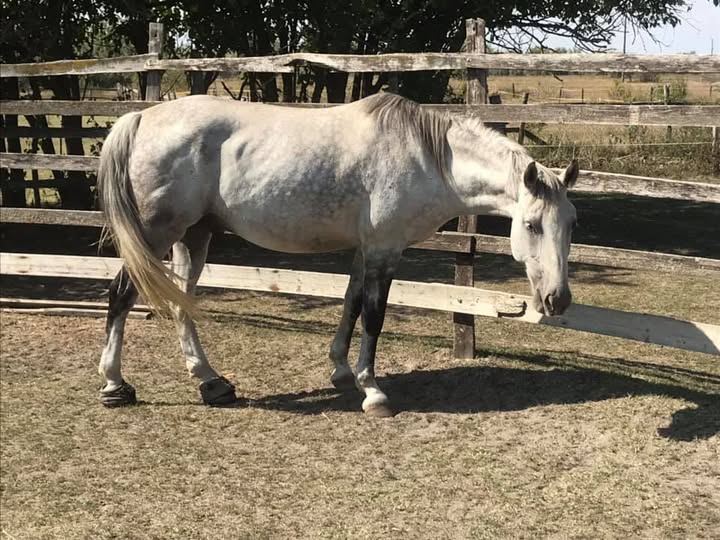
Equine Founder Treatment: A Practical Guide to Helping Founder Horses Recover
Founder is one of the most serious hoof conditions a horse can face. While the term “founder” is often used interchangeably with laminitis, founder typically refers to the stage where damage inside the hoof has caused the coffin bone to rotate or sink. Once this happens, the horse experiences significant pain and requires immediate care.
The good news is that many founder horses can return to a comfortable and useful life when treatment begins early and is managed correctly. Successful equine founder treatment depends on teamwork between the horse owner, veterinarian, and farrier.
What Is Founder in Horses?
Founder develops when inflammation damages the sensitive laminae that connect the hoof wall to the coffin bone. As these structures weaken, the coffin bone may rotate downward or sink within the hoof capsule.
This condition most commonly affects the front feet, although all four feet can become involved in severe cases.
Common causes include:
- Grain overload
- Pasture-associated laminitis
- Equine metabolic syndrome
- Cushing’s disease (PPID)
- Severe infections
- Obesity
- Excessive concussion on hard ground
- Retained placenta after foaling
Understanding the underlying cause is essential because treatment must address both the hoof damage and the trigger that caused it.
Signs That a Horse Has Founder
Early recognition greatly improves the chances of recovery.
Common symptoms include:
- Reluctance to move
- Short, painful steps
- Shifting weight between feet
- Increased digital pulse
- Warm hooves
- Leaning backward to relieve pressure on the front feet
- Difficulty turning
- Standing with front feet stretched forward
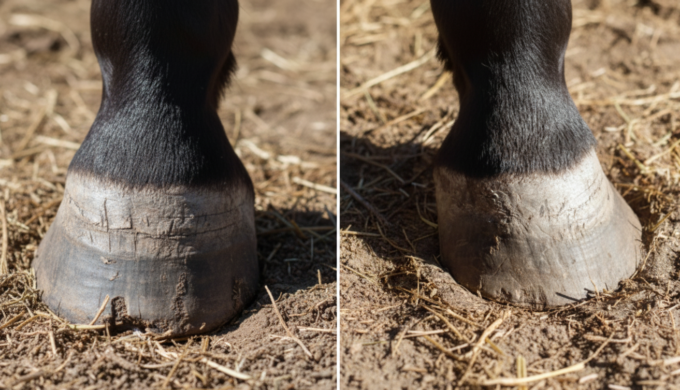
In advanced cases, hoof rings, sole flattening, and visible changes in hoof shape may appear.
Any horse showing these signs should be examined by a veterinarian immediately.
Immediate Treatment for Founder Horses
The first few days are often the most critical period.
Restrict Movement
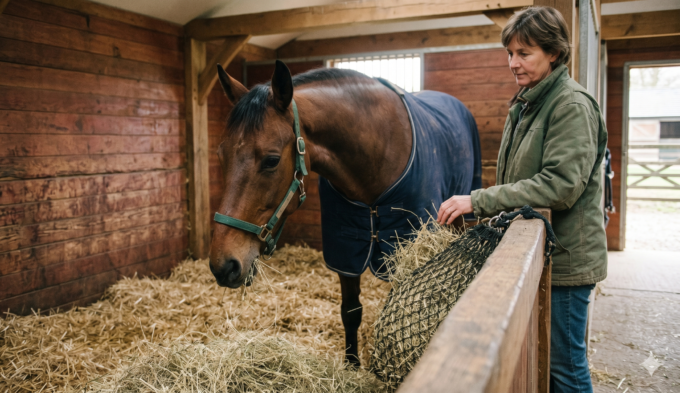
A horse with founder should be confined to a deeply bedded stall. Soft bedding helps reduce pressure on damaged laminae and encourages the horse to lie down when needed.
Avoid forcing the horse to walk unless specifically directed by a veterinarian.
Reduce Inflammation
Veterinarians commonly prescribe anti-inflammatory medications to help control pain and inflammation.
These may include:
- Phenylbutazone (Bute)
- Flunixin meglumine
- Other pain-management medications
Medication should always be administered according to veterinary instructions.
Cryotherapy (Cold Therapy)
Research has shown that cooling the feet can help reduce laminar damage during the early stages of laminitis.
Ice boots or ice-water immersion may be recommended, particularly during acute episodes.
Early cooling often provides the greatest benefit.
Corrective Hoof Support
From a farrier’s perspective, proper hoof support is one of the most important aspects of equine founder treatment.
The goal is to:
- Reduce stress on damaged laminae
- Support the coffin bone
- Improve comfort
- Encourage healthy hoof growth
Temporary Hoof Support
Many founder horses benefit from temporary support materials such as:
- Foam pads
- Support pads
- Impression material
- Therapeutic boots
These supports help redistribute weight away from painful areas.
The correct support varies from horse to horse, making professional evaluation important.
Corrective Trimming
A skilled farrier can help restore balance within the hoof capsule.
Corrective trimming aims to:
- Realign hoof structures
- Reduce leverage on the toe
- Improve breakover
- Support the back part of the foot
Trimming should be based on radiographs whenever possible.
Guessing hoof angles without X-rays can increase the risk of additional damage.
Therapeutic Shoeing for Founder Horses
Not every founder horse requires shoes, but therapeutic shoeing can provide substantial relief in certain cases.
Common options include:
Heart Bar Shoes
Heart bar shoes provide frog support and help redistribute weight across the hoof.
When fitted correctly, they can improve comfort and stability.
Glue-On Shoes
Some founder horses cannot tolerate nails because of compromised hoof walls.
Glue-on systems offer support without creating additional stress.
Rocker-Toe Shoes
These shoes reduce breakover forces and decrease stress on damaged laminae.
They are frequently used in rehabilitation programs.
The best shoeing approach depends on radiographs, hoof condition, and the horse’s level of pain.
Managing the Horse’s Diet
No founder treatment plan is complete without nutritional management.
Many founder cases are linked to metabolic disorders and excessive sugar intake.
Dietary recommendations often include:
- Low-sugar hay
- Controlled calorie intake
- Limited pasture access
- Weight management programs
- Balanced vitamin and mineral supplementation
Feeds high in starch and sugar should generally be avoided unless directed otherwise by a veterinarian.
For overweight horses, gradual weight reduction can significantly improve long-term outcomes.
Treating Underlying Health Conditions
Some horses repeatedly founder because the root cause remains untreated.
Two common contributors include:
Equine Metabolic Syndrome (EMS)
EMS causes insulin dysregulation, increasing the risk of laminitis and founder.
Proper dietary control is often a major part of treatment.
Pituitary Pars Intermedia Dysfunction (PPID)
Previously known as Cushing’s disease, PPID is common in older horses.
Medication and regular monitoring can help reduce founder risk.
Addressing these conditions often prevents future episodes.
New Treatment for Laminitis in horses
Can Founder Horses Recover?
Recovery depends on several factors:
- Severity of coffin bone rotation
- Amount of sinking
- Speed of treatment
- Quality of hoof care
- Underlying medical conditions
Many horses with mild to moderate founder can return to riding, light work, or recreational use.
Severe cases may require long-term management but can still achieve a comfortable quality of life.
Patience is essential because hoof rehabilitation often takes six to twelve months or longer.
Common Mistakes During Founder Treatment
As a farrier, these are mistakes I frequently see owners make:
Delaying Veterinary Care
Waiting even a few days can allow additional laminar damage to occur.
Walking a Painful Horse
Exercise is not always beneficial during acute founder episodes.
Forcing movement can worsen injury.
Ignoring Radiographs
X-rays provide critical information about coffin bone position and treatment planning.
Making Frequent Hoof Changes
Constantly changing trims, shoes, or support systems can disrupt recovery.
Consistency and monitoring usually produce better results.
Overlooking Diet
Even the best farrier work cannot overcome a diet that continues to trigger laminitis.
Long-Term Founder Management
Many horses require ongoing management after recovery.
Long-term strategies include:
- Routine farrier visits every 4 to 6 weeks
- Weight control
- Low-sugar feeding programs
- Regular veterinary evaluations
- Monitoring digital pulses
- Limiting access to high-risk pasture
Owners who stay proactive often achieve the best long-term results.
Frequently Asked Questions About Equine Founder Treatment
Can a founder horse be ridden again?
Some horses return to riding after recovery, especially when founder is detected early and managed properly. Severe cases may have permanent limitations.
How long does founder recovery take?
Most horses require several months of rehabilitation. Significant hoof regrowth may take 9 to 12 months.
Is founder the same as laminitis?
Laminitis refers to inflammation of the laminae. Founder occurs when that inflammation leads to structural damage and movement of the coffin bone.
What is the best hoof support for founder horses?
There is no single solution. Foam pads, therapeutic boots, heart bar shoes, and corrective trimming may all be appropriate depending on the individual horse.
Can founder be cured?
The damage cannot always be completely reversed, but many horses can become comfortable and functional with proper treatment and management.
In Short:-
Successful equine founder treatment requires prompt action, accurate diagnosis, corrective hoof care, and careful management of the underlying cause. From a farrier’s perspective, consistent trimming, proper support, and close communication with the veterinarian are often the keys to a successful outcome.
The sooner treatment begins, the better the chances of preserving hoof structures, reducing pain, and helping the horse return to a comfortable life.






Leave a comment