

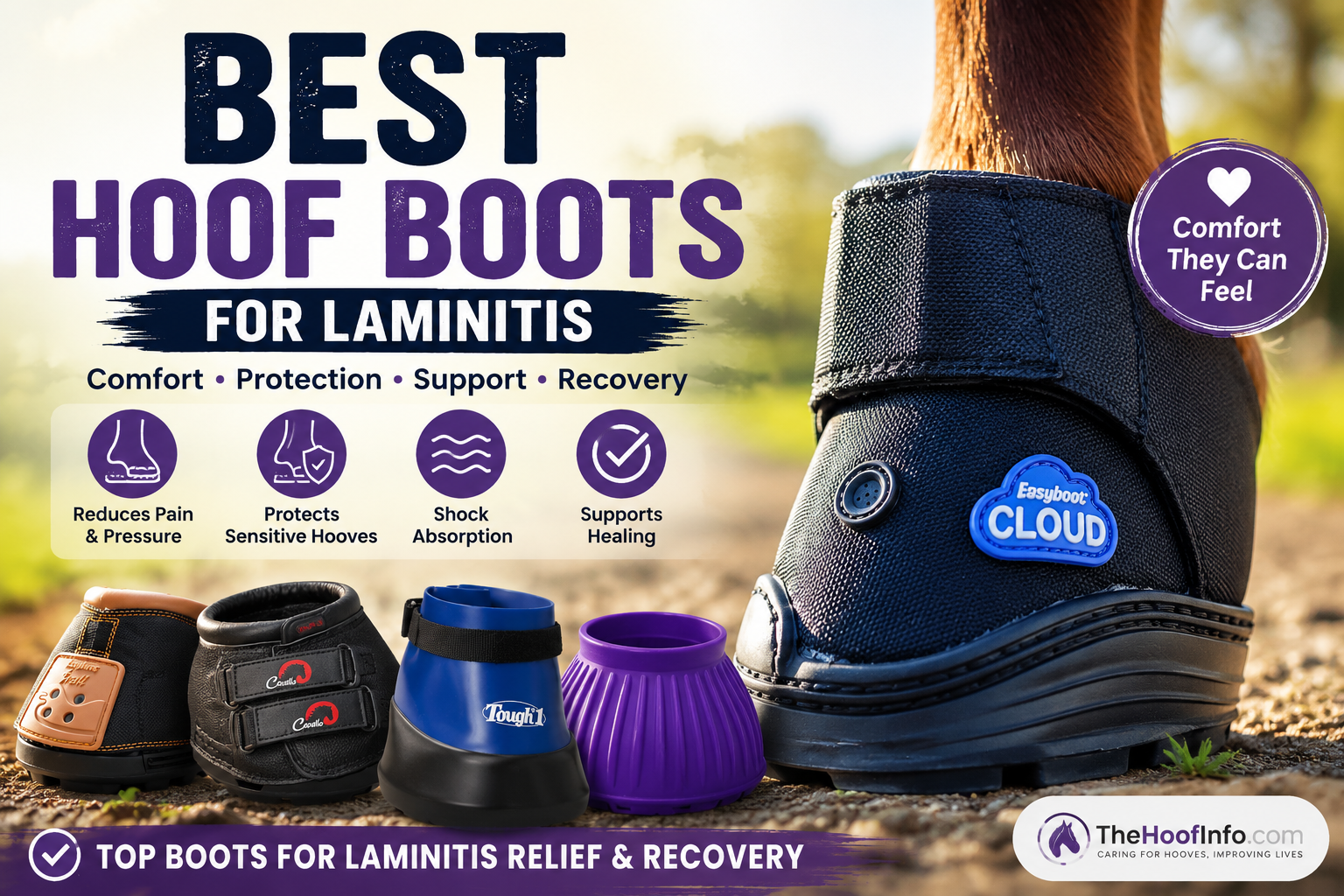
Best Hoof Boots for Laminitis: Top Picks to Support Recovery and Comfort
Laminitis is one of the most painful hoof conditions a horse can experience. When the sensitive tissues inside the hoof become inflamed, every step can be uncomfortable. During recovery, one simple piece of equipment can make a noticeable difference: a well-fitted hoof boot.
The best hoof boots for laminitis provide cushioning, reduce concussion, protect sensitive soles, and allow horses to move more comfortably while healing. They don’t replace veterinary treatment or corrective farriery, but they can play an important role in a complete laminitis management plan.
In my experience, horses recovering from laminitis often become more willing to walk once they have the right hoof protection. The key is choosing a boot that fits correctly and matches your horse’s level of comfort.
Why Horses with Laminitis Need Hoof Boots
Laminitis weakens the connection between the hoof wall and the coffin bone. This makes every step painful, especially on hard or rocky ground.
A quality hoof boot helps by:
- Absorbing shock during movement
- Reducing pressure on painful areas
- Supporting the sole and frog
- Protecting thin or damaged soles
- Improving confidence while walking
- Allowing controlled exercise during rehabilitation
Many veterinarians and farriers recommend hoof boots as part of a broader treatment plan.
| Product | Best For | Cushion | Riding | Turnout | Rating |
|---|---|---|---|---|---|
| EasyCare Cloud | Acute | ⭐⭐⭐⭐⭐ | ❌ | Limited | 9.9 |
Cavallo Simple |
Recovery | ⭐⭐⭐⭐ | Yes | Yes | 9.7 |
Scoot Boots |
Barefoot | ⭐⭐⭐ | Yes | Yes | 9.5 |
Easyboot Trail |
Riding | ⭐⭐⭐⭐ | Yes | Yes | 9.4 |
Renegade Hoof Boots |
Performance | ⭐⭐⭐ | Yes | Yes | 9.3 |
I’ve seen many horses become noticeably more comfortable within a few days of wearing a properly fitted therapeutic hoof boot with EVA pads. While every case is different, reducing concussion often encourages a more natural stride during recovery.
What to Look for in the Best Hoof Boots for Laminitis
Not every hoof boot is suitable for a horse with laminitis.
Before buying, consider these important features.
1. Excellent Cushioning
Soft EVA or therapeutic pads help distribute weight across the hoof and reduce pressure on inflamed tissues.
The thicker the pad, the more comfort many horses experience.
2. Easy to Fit
A boot should fit snugly without squeezing the hoof.
Too loose and it may twist.
Too tight and it can create pressure points.
3. Strong Sole Protection
Look for boots with durable rubber soles that protect against rocks, gravel, and uneven terrain.
4. Adjustable Closures
Velcro straps or dial systems make fitting easier, especially if hoof shape changes during recovery.
5. Breathability
Good airflow helps reduce moisture buildup that can contribute to thrush.
Best Hoof Boots for Laminitis
1. EasyCare Cloud Boots
EasyCare Cloud Boots are specifically designed for therapeutic use.
Many veterinarians recommend them for horses recovering from:
- Laminitis
- Founder
- Sole bruising
- Abscess recovery
- Post-surgical care
Pros
- Extremely soft EVA foam padding
- Lightweight design
- Easy to put on
- Excellent comfort
- Great for stall rest
Cons
- Not intended for riding
- Pads eventually require replacement

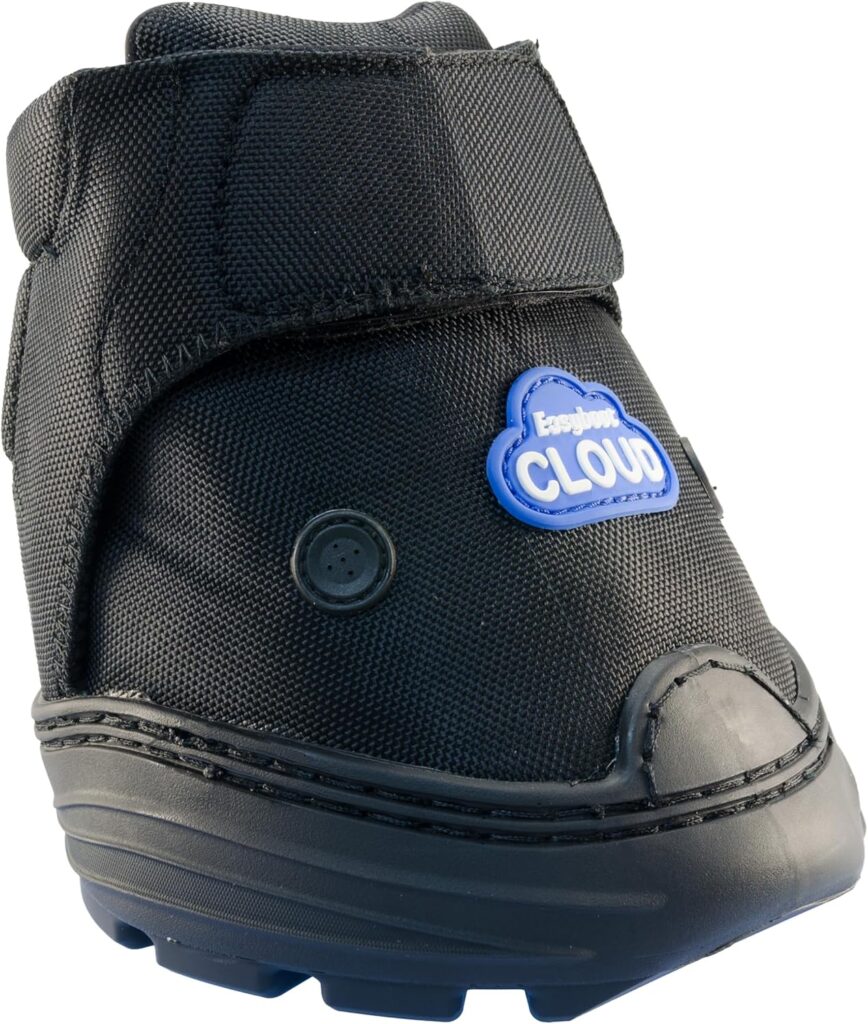
Best for: Horses on stall rest or recovering from acute laminitis.
2. Cavallo Simple Boots
Cavallo Simple Boots are among the most popular hoof boots available.
They combine comfort, durability, and ease of use.
Pros
- Thick cushioned sole
- Wide opening for easy fitting
- Durable leather upper
- Good traction
Cons
- Slightly heavier than some competitors
- Requires accurate sizing
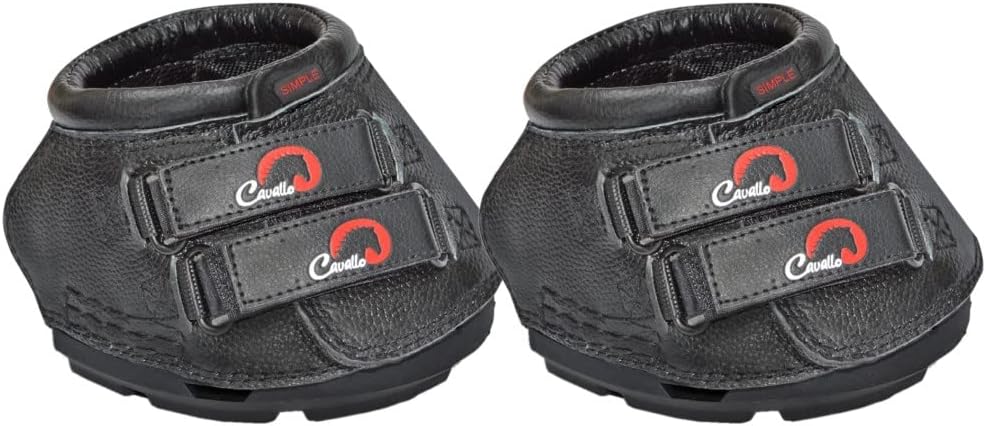
Best for: Daily turnout and light rehabilitation.
3. Scoot Boots
Scoot Boots are lightweight and highly breathable.
Many barefoot horse owners prefer them because they allow excellent airflow while protecting the hoof.
Pros
- Lightweight
- Open design prevents overheating
- Excellent grip
- Easy cleaning
Cons
- Less padding than therapeutic boots
- May require additional comfort pads
Best for: Horses returning to exercise after recovery.
4. Easyboot Trail
Easyboot Trail offers a balance between protection and convenience.
These boots are popular for recreational use but also work well during later stages of laminitis recovery.
Pros
- Comfortable fit
- Good shock absorption
- Easy fastening system
- Durable sole
Cons
- Not designed for severe therapeutic cases
Best for: Light riding after veterinary approval.
5. Renegade Hoof Boots
Renegade Boots are known for excellent performance and secure fit.
Although often used by endurance riders, they can also help horses needing extra protection during rehabilitation.
Pros
- Secure fastening
- Excellent durability
- Good traction
- Allows natural hoof movement
Cons
- More expensive
- Requires precise measurements
Best for: Horses transitioning back to regular work.
Should You Use Hoof Pads?
Absolutely.
Many horses with laminitis benefit even more when therapeutic pads are placed inside the boots.
Pads help:
- Reduce concussion
- Spread weight evenly
- Support the frog
- Improve comfort
- Encourage better movement
Several pad densities are available, allowing your veterinarian or farrier to choose the best option for your horse.
Measuring Your Horse Before Buying
Accurate measurements are essential.
Measure immediately after trimming.
Record:
- Hoof width
- Hoof length
Compare these measurements with the manufacturer’s sizing chart.
Never guess the size.
Even the best hoof boot will not perform well if it doesn’t fit correctly.
How Long Should Horses Wear Hoof Boots?
It depends on the severity of laminitis.
Some horses wear therapeutic boots only while walking.
Others may wear them for several hours each day.
Always follow your veterinarian’s recommendations.
Remove the boots daily to:
- Check for rubbing
- Clean the hoof
- Inspect for stones
- Keep the hoof dry
Can Horses Be Turned Out Wearing Hoof Boots?
Yes, in many cases.
Many horses comfortably wear hoof boots during turnout.
However:
- Inspect boots daily.
- Avoid deep mud if possible.
- Replace worn straps.
- Remove boots overnight unless instructed otherwise.
Proper monitoring prevents rubbing and moisture buildup.
Suggested Articles, You may Read:
- Best Hoof Boots for Barefoot Horses
- Natural Treatment for Laminitis in Horses
- Supplements for Laminitis in Horses
- How to Trim Hooves for Laminitis Horses
- Horse Hoof Care Tips in Summer
Common Mistakes Horse Owners Make
Avoid these common errors:
- Buying the wrong size
- Ignoring manufacturer sizing guides
- Using worn-out pads
- Leaving boots on continuously
- Forgetting daily hoof cleaning
- Riding too soon after laminitis
- Assuming hoof boots replace veterinary care
Hoof boots are supportive tools-not a cure.
Additional Tips for Managing Laminitis
Hoof boots work best alongside proper management.
Support recovery by:
- Feeding a low-sugar, low-starch diet
- Maintaining a healthy body weight
- Scheduling regular farrier visits
- Following your veterinarian’s treatment plan
- Restricting pasture when necessary
- Monitoring digital pulse and hoof temperature
- Providing soft footing in stalls or paddocks
A complete approach gives your horse the best chance of long-term soundness.
Frequently Asked Questions
What are the best hoof boots for horses with laminitis?
Therapeutic boots such as EasyCare Cloud Boots are excellent for acute laminitis, while Cavallo Simple Boots, Scoot Boots, Easyboot Trail, and Renegade Boots are popular choices for ongoing support and rehabilitation.
Can hoof boots help a horse with founder?
Yes. Hoof boots with supportive pads can reduce concussion, protect sensitive soles, and improve comfort for horses recovering from founder when used as part of a veterinary treatment plan.
Should horses with laminitis wear hoof pads?
In many cases, yes. Therapeutic pads help distribute weight, support the frog, and provide additional cushioning inside the hoof boot.
Can a horse wear hoof boots all day?
Some horses can wear them for extended periods, but the boots should be removed daily for cleaning and hoof inspection. Follow your veterinarian’s recommendations for wear time.
Are hoof boots a substitute for corrective trimming?
No. Hoof boots provide temporary protection and comfort, but regular corrective trimming and veterinary care remain essential for successful laminitis recovery.
In Short:-
The best hoof boots for laminitis are those that provide excellent cushioning, fit securely, and match your horse’s stage of recovery. Therapeutic options like Easy Care Cloud Boots are ideal for acute cases, while Cavallo, Scoot Boots, Easyboot Trail, and Renegade Boots can offer reliable protection as horses become more comfortable and return to normal activity.
Remember that every horse is different. Work closely with your veterinarian and farrier to choose the right boot, monitor your horse’s comfort, and adjust the treatment plan as healing progresses. With the right care, many horses with laminitis can regain comfort, improve mobility, and enjoy a better quality of life.
How to Trim Hooves for Laminitis Horses (Step-by-Step Guide for Safe Recovery)
- best boots for laminitic horses
- best boots for laminitis
- best boots for laminitis horse
- Best Hoof Boots for Laminitis
- best horse boots for laminitis
- Boots for Horses With Laminitis
- Hoof boots
- hoof boots for horses
- horse hoof boots for laminitis
- Laminitis Boots For Horses
- scoot boots
- soft ride boots for laminitis
- What are the best hoof boots for laminitis?









Leave a comment