

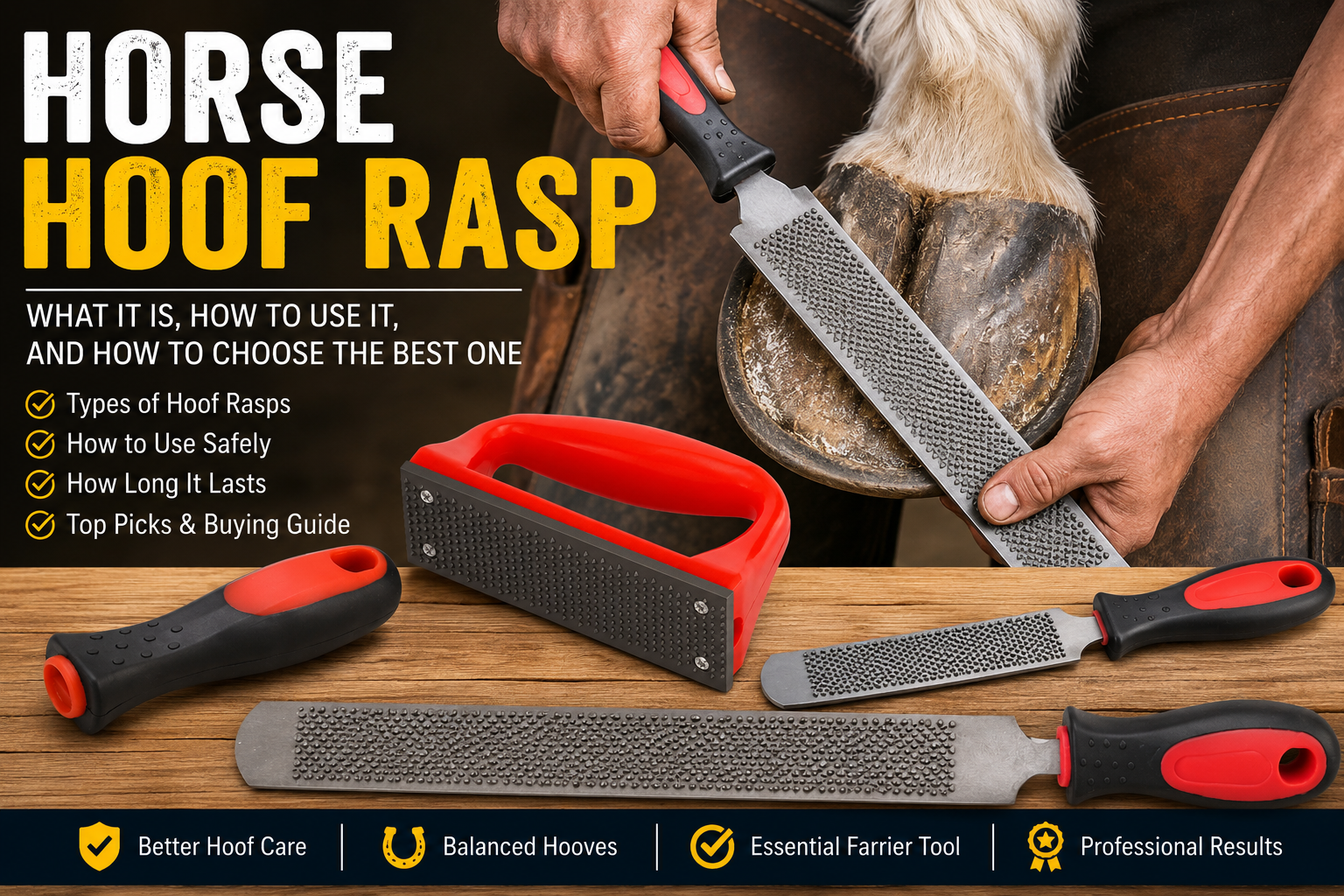
Horse Hoof Rasp: What It Is, How to Use It, and How to Choose the Best One
A horse hoof rasp is one of the most important tools in hoof care. Whether you’re a professional farrier or a horse owner learning basic hoof maintenance, a quality rasp helps shape the hoof wall, smooth rough edges, and create a balanced hoof after trimming.
In my experience working with horse hooves for over 20 years, I’ve found that the quality of the rasp and the way it’s used make a significant difference. A sharp, well-maintained rasp removes hoof horn efficiently, while a worn-out tool requires more effort and can leave an uneven finish.
This guide explains what a horse hoof rasp is, how to use it safely, and how to choose the right one for your needs.
Why You Can Trust This Guide
This article is based on practical farrier experience and current hoof care best practices.
- Experience: More than 20 years researching and working with horse hoof care.
- Expertise: Written using practical farrier techniques and hoof maintenance principles.
- Authoritativeness: Covers beginner and professional considerations in one guide.
- Trustworthiness: Information is educational and does not replace veterinary or professional farrier advice for horses with lameness or hoof disease.
What Is a Horse Hoof Rasp?
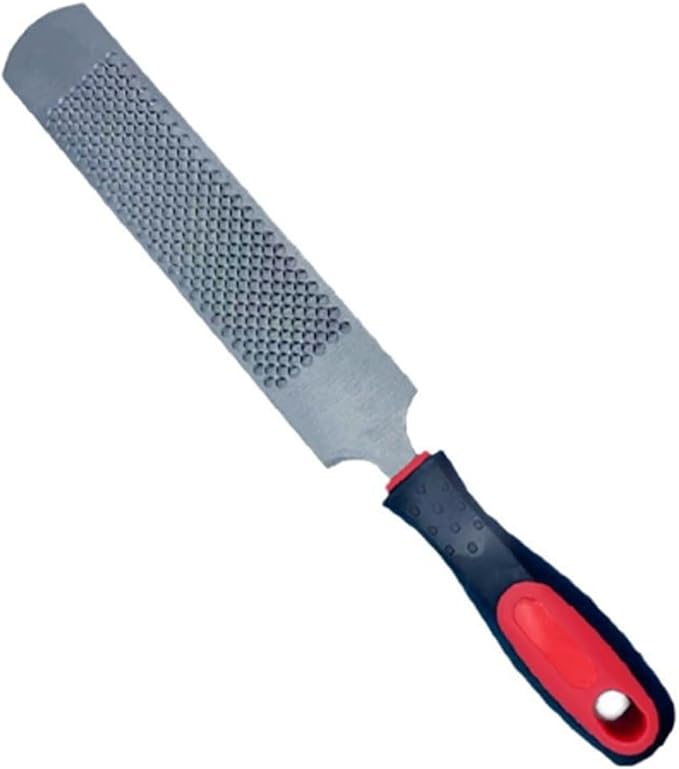
A horse hoof rasp is a large, heavy-duty file specifically designed for shaping and smoothing a horse’s hoof after trimming.
Unlike a standard metal file, a hoof rasp has:
- A coarse side for removing hoof material quickly
- A fine side for creating a smooth finish
- A tang where the handle attaches
- Durable high-carbon steel construction
It works together with hoof nippers and a hoof knife to produce a balanced, level hoof.
What Is a Horse Hoof Rasp Used For?
A hoof rasp has several important uses.
It helps:
- Level the hoof after trimming
- Remove uneven hoof wall growth
- Smooth sharp or chipped edges
- Correct minor hoof imbalances
- Prepare the hoof for shoeing
- Finish barefoot trims
Professional farriers use a rasp during almost every trimming appointment.
Parts of a Horse Hoof Rasp
Understanding the parts of a rasp helps you use it correctly.
Coarse Side
Designed to remove hoof wall quickly.
Fine Side
Creates a smooth, professional finish.
Tang
The narrow metal section where the handle fits.
Handle
Provides better grip and improves control during rasping.
A quality handle also reduces hand fatigue.
How to Use a Horse Hoof Rasp Safely
Proper technique is more important than strength.
Follow these basic steps:
- Clean the hoof thoroughly.
- Trim excess hoof wall with hoof nippers if necessary.
- Hold the rasp with both hands.
- Push the rasp forward using long, even strokes.
- Avoid sawing back and forth aggressively.
- Frequently check hoof balance.
- Finish with the fine side for a smooth surface.
Removing too much hoof wall can affect balance and comfort, so make gradual adjustments rather than aggressive cuts.
Can You Rasp Your Own Horse’s Feet?
Many horse owners ask this question.
The answer is yes-but only if you’ve received proper instruction.
Light maintenance between professional farrier visits may be appropriate for experienced owners. However, trimming or reshaping the hoof without adequate knowledge can create imbalance, soreness, or long-term hoof problems.
If you’re new to hoof care, it’s best to learn from an experienced farrier before attempting any rasp work yourself.
How to Choose the Best Horse Hoof Rasp
Not every rasp performs the same.
When shopping for one, consider these factors.
Cutting Performance
A sharp rasp removes hoof material with less effort.
Durability
High-quality steel generally lasts longer and maintains sharp teeth.
Weight
Some farriers prefer heavier rasps, while beginners often find lighter models easier to control.
Tooth Pattern
Aggressive teeth remove hoof faster, while finer teeth produce a smoother finish.
Comfort
A comfortable handle improves grip and reduces fatigue during extended trimming sessions.
Popular Types of Horse Hoof Rasps
Several styles are commonly available.
Standard Hoof Rasp
Suitable for most trimming jobs.
Curved Hoof Rasp
Designed for easier shaping in certain hoof areas.
Fine-Cut Rasp
Produces a smoother finishing surface.
Aggressive Rasp
Removes hoof horn quickly and is often preferred by experienced farriers.
How Long Does a Horse Hoof Rasp Last?
The lifespan depends on several factors.
Including:
- Frequency of use
- Hoof hardness
- Cleaning habits
- Storage conditions
- Brand quality
Professional farriers who trim multiple horses daily may replace rasps every few weeks or months. Horse owners using one occasionally may find it lasts much longer.
Replace the rasp once it becomes noticeably dull, requires excessive pressure, or leaves rough, uneven cuts.
Hoof Rasp Maintenance Tips
Good maintenance extends the life of your rasp.
- Clean hoof debris after every use.
- Store it in a dry location.
- Keep moisture away to prevent rust.
- Use a protective cover during transport.
- Avoid dropping it on hard surfaces.
- Never use it on metal objects.
Proper care keeps the cutting teeth effective for longer.

Common Mistakes to Avoid
Many beginners make the same mistakes.
Avoid these common errors:
- Removing too much hoof wall
- Using a dull rasp
- Rasping at the wrong angle
- Ignoring hoof balance
- Applying excessive pressure
- Working too quickly
- Skipping professional farrier visits
Slow, controlled strokes usually produce better results than rushing.
Frequently Asked Questions
What is the purpose of a horse hoof rasp?
A hoof rasp shapes, levels, and smooths the hoof wall after trimming. It helps create a balanced hoof and removes rough edges.
Is a hoof rasp different from a regular file?
Yes. A hoof rasp is much larger, stronger, and designed specifically for trimming horse hooves.
Do I need a handle on my hoof rasp?
While some professionals use rasps without handles, most horse owners benefit from a handle because it provides better grip and improved safety.
Can a dull hoof rasp damage the hoof?
A dull rasp doesn’t usually damage the hoof directly, but it requires more force, makes trimming harder, and can leave an uneven finish.
Should every horse owner own a hoof rasp?
Basic hoof care tools can be useful, but they should only be used after proper training. Regular farrier visits remain essential for maintaining healthy hooves.
Summary:-
A horse hoof rasp is an essential tool for maintaining healthy, balanced hooves. Whether you’re performing light maintenance or working as a professional farrier, choosing a quality rasp and using proper technique can improve trimming results while reducing effort.
Remember that a rasp is only one part of a complete hoof care routine. Regular cleaning, balanced trimming, proper nutrition, and scheduled farrier visits all contribute to strong, healthy hooves. Investing in a good hoof rasp—and learning to use it correctly—is a worthwhile step toward better hoof health for your horse.
You may also read;-
- How to Trim Horse Hooves Safely
- Horse Hoof Anatomy Explained
- Best Hoof Knife for Horses
- Essential Farrier Tools Every Horse Owner Needs
- How Often Should Horse Hooves Be Trimmed?
- Signs Your Horse Needs a Farrier









Leave a comment