

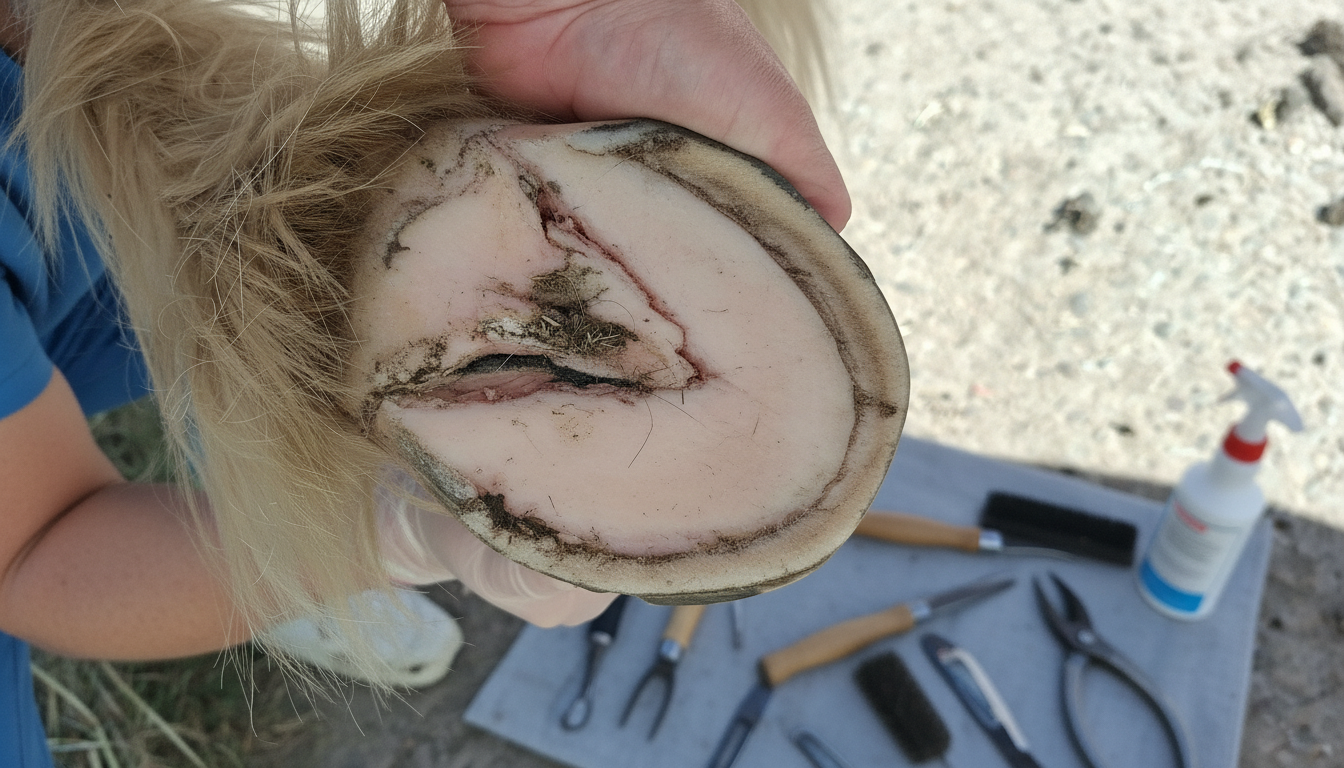
Trimming a Horse Hoof: A Complete Guide to Healthy and Balanced Feet
A horse’s hoof is often called the foundation of the entire animal, and for good reason. Healthy hooves support movement, comfort, and overall soundness. Regular trimming is one of the most important parts of hoof care because it helps maintain balance, prevents excessive wear, and reduces the risk of many common hoof problems.
Whether you are a new horse owner or simply want to understand the process better, learning about trimming a horse hoof can help you make informed decisions about your horse’s care.
Why Trimming a Horse Hoof Is Important
In the wild, horses naturally wear down their hooves by traveling long distances across varied terrain. Domestic horses usually do not get enough natural wear to keep their hooves balanced. As a result, the hoof continues to grow and eventually requires trimming.
Regular hoof trimming helps:
- Maintain proper hoof balance
- Prevent cracks and splits
- Reduce stress on joints and tendons
- Improve movement and comfort
- Lower the risk of lameness
- Support healthy hoof growth
When hooves become too long, the horse’s gait can change, placing unnecessary strain on the legs and feet.
How Often Should a Horse Hoof Be Trimmed?
Most horses need trimming every 4 to 8 weeks, although the exact schedule depends on several factors.
These include:
- Hoof growth rate
- Age of the horse
- Workload
- Nutrition
- Environment
- Season of the year
For example, hoof growth often increases during warmer months when pasture is plentiful. Some horses may need more frequent trimming, while others can comfortably go a little longer between appointments.
A professional farrier can help determine the best schedule for your horse.
Signs Your Horse Needs a Hoof Trim
Many horse owners can spot early signs that trimming is overdue.
Watch for:
- Long or overgrown hoof walls
- Chipping or cracking
- Uneven hoof wear
- Flared hoof walls
- Changes in gait
- Tripping more often than usual
- Loose or shifted horseshoes
Ignoring these signs can eventually lead to discomfort and more serious hoof issues.
Tools Used for Trimming a Horse Hoof
Professional farriers use specialized tools designed to shape and balance the hoof safely.
Common hoof trimming tools include:
Hoof Pick
Used to clean dirt, mud, manure, and debris from the hoof before trimming begins.
Hoof Nippers
Large cutting tools used to remove excess hoof wall.
Hoof Knife
Designed to trim loose sole and frog tissue when necessary.
Rasp
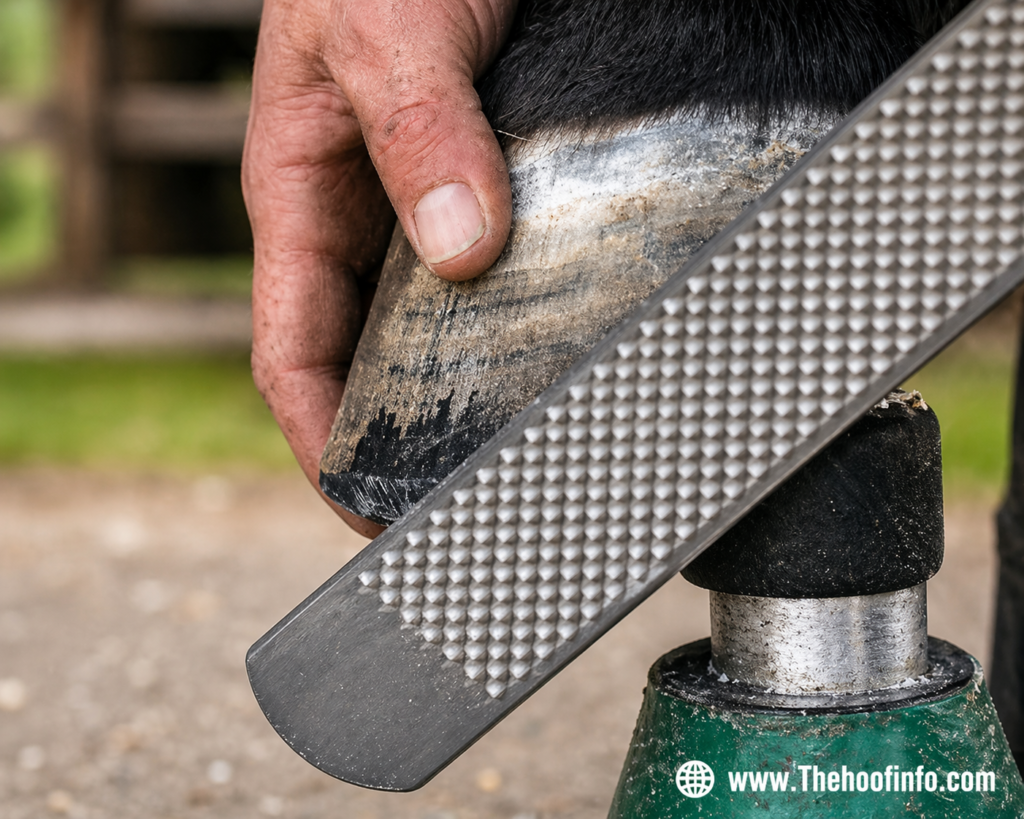
A large file used to smooth and level the hoof after trimming.
Hoof Stand
Provides support for the horse’s foot during the trimming process and reduces strain on the farrier’s back.
Using quality tools can improve both safety and trimming accuracy.
Step-by-Step Process of Trimming a Horse Hoof
Although trimming should ideally be performed by an experienced farrier, understanding the process helps horse owners appreciate what happens during a hoof care visit.
1. Clean the Hoof
The hoof is thoroughly cleaned using a hoof pick. Dirt and debris must be removed so the farrier can clearly see the hoof structures.
2. Evaluate Hoof Balance
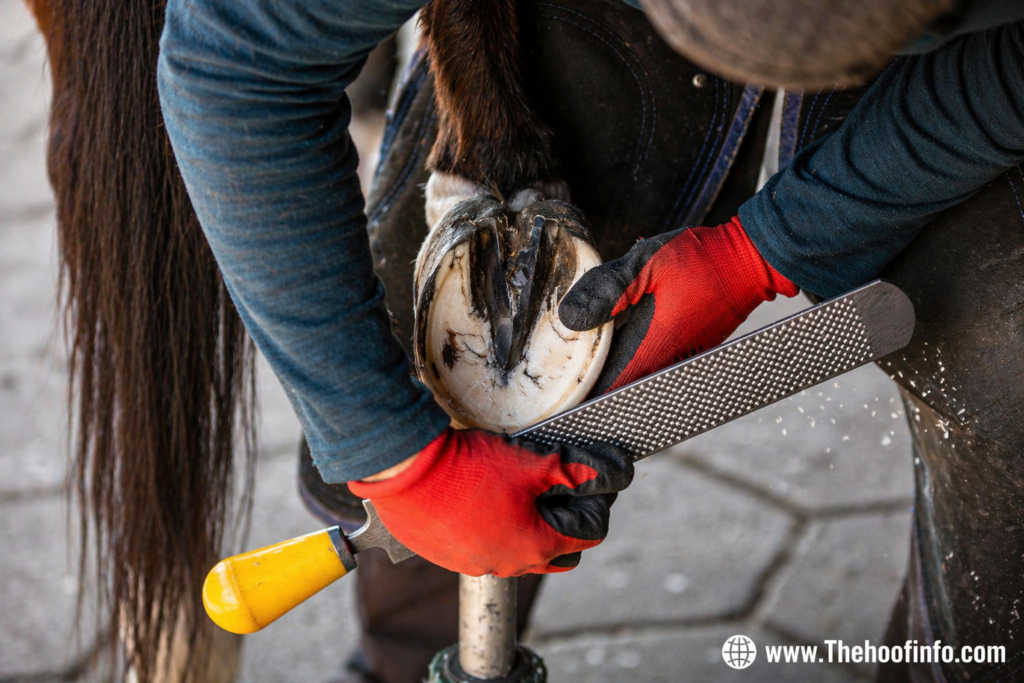
Before removing any hoof material, the farrier examines the hoof from multiple angles. Balance, symmetry, wear patterns, and limb alignment are carefully assessed.
3. Trim Excess Hoof Wall
Using hoof nippers, excess hoof wall is removed gradually. The goal is to restore proper length without removing too much material.
4. Address the Sole and Frog
Loose or dead sole may be carefully trimmed when necessary. The frog is also evaluated for health and cleanliness.
5. Level the Hoof
A rasp is used to smooth and level the bearing surface of the hoof. This step helps ensure even weight distribution.
6. Check Balance Again
Farriers constantly reassess balance throughout the trimming process. Small adjustments are often made to achieve the best possible result.
7. Final Inspection
The finished hoof is inspected to ensure proper shape, symmetry, and comfort for the horse.
Common Mistakes When Trimming a Horse Hoof
Hoof trimming requires knowledge and experience. Improper trimming can create serious problems.
Common mistakes include:
- Removing too much hoof wall
- Creating an uneven hoof surface
- Excessive sole trimming
- Ignoring hoof balance
- Trimming too aggressively
- Failing to recognize hoof diseases
Even small mistakes can affect a horse’s movement and long-term soundness.
The Importance of Hoof Balance
One of the primary goals of trimming a horse hoof is achieving proper balance.
A balanced hoof allows:
- Even weight distribution
- Better shock absorption
- Reduced tendon strain
- Improved movement efficiency
- Lower risk of injury
When hooves become uneven, the horse may compensate by altering its gait, which can eventually affect joints, ligaments, and muscles throughout the body.
This is why skilled farriers spend significant time evaluating balance rather than simply shortening the hoof.
Hoof Conditions That May Require Special Trimming
Some horses develop hoof conditions that need a customized trimming approach.
Examples include:
Laminitis
Laminitic horses often require careful trimming to reduce stress on damaged structures within the hoof.
White Line Disease
Affected hooves may need corrective trimming to remove compromised areas and encourage healthy growth.
Hoof Cracks
Trimming can help reduce leverage forces that worsen cracks.
Club Foot
Specialized trimming techniques are often used to improve balance and comfort.
In these situations, collaboration between a veterinarian and farrier is often beneficial.
Can Horse Owners Trim Their Own Horse’s Hooves?
Some horse owners learn basic trimming skills and successfully maintain their horses’ feet. However, trimming requires training, practice, and a solid understanding of hoof anatomy.
For beginners, attempting a full trim without proper education can increase the risk of injury to both horse and handler.
Many owners choose to perform routine cleaning and hoof inspections while leaving trimming to a qualified farrier.
Tips for Maintaining Healthy Hooves Between Trims
Regular trimming is only one part of hoof care.
To keep hooves healthy:
- Pick out hooves daily
- Provide balanced nutrition
- Maintain clean living conditions
- Schedule regular farrier visits
- Monitor for cracks or abnormalities
- Encourage regular exercise
- Address hoof problems early
Consistent management often prevents minor issues from becoming major problems.
In Short:-
Trimming a horse hoof is much more than simply shortening the hoof wall. It is a skilled process focused on balance, comfort, and long-term hoof health. Regular trimming helps prevent common hoof problems, supports sound movement, and contributes to a horse’s overall well-being.
Whether your horse is barefoot or shod, maintaining a consistent trimming schedule is one of the best investments you can make in its health. Healthy hooves truly provide the foundation for a healthy horse.







Leave a comment