

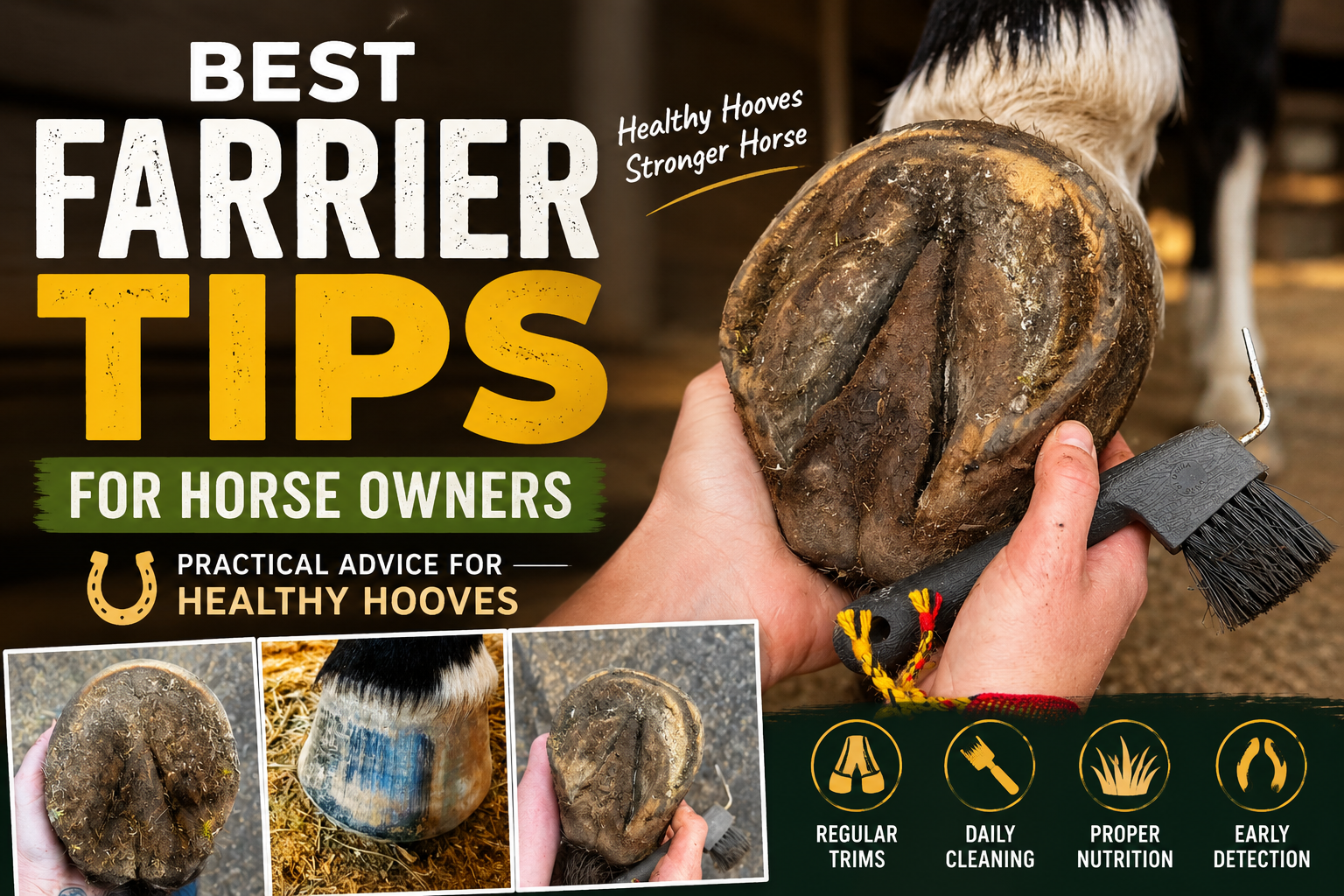
Best Farrier Tips for Horse Owners: Keep Your Horse’s Hooves Healthy All Year
Every experienced horse owner knows one simple truth:
Healthy hooves are the foundation of a healthy horse.
No matter how good your horse’s bloodlines are or how expensive its saddle may be, poor hoof care can quickly lead to discomfort, reduced performance, and even long-term lameness.
As farriers often say,
“No hoof, no horse.”
I’ve seen horses develop serious hoof problems that could have been prevented with a few simple management changes. Regular trimming, clean living conditions, balanced nutrition, and paying attention to early warning signs make a remarkable difference.
Whether you’re caring for your first horse or have owned horses for years, these practical farrier tips will help you keep your horse comfortable, sound, and ready for work.
Key Takeaways
If you’re short on time, remember these essential farrier tips:
- Schedule regular farrier visits every 6–8 weeks or as recommended.
- Pick out your horse’s hooves daily to remove dirt, stones, and debris.
- Keep stalls and paddocks clean and dry to reduce the risk of infections.
- Feed a balanced diet that supports healthy hoof growth.
- Learn to recognise early signs of hoof problems before they become serious.
- Build a strong working relationship with both your farrier and veterinarian.
Healthy hooves don’t happen by accident. They result from consistent care, attention to detail, and a proactive approach to hoof health.
Why Farrier Care Matters
A horse’s hoof isn’t just a hard shell on the end of the leg. It’s a living structure made up of the hoof wall, sole, frog, digital cushion, and sensitive internal tissues that work together to absorb shock and support the horse’s weight.
Every step your horse takes places significant force on these structures. Without regular trimming and proper maintenance, the hoof gradually loses its natural balance. Over time, this can place excessive strain on joints, tendons, and ligaments.
Good farrier care helps:
- Maintain proper hoof balance
- Improve movement
- Reduce the risk of cracks
- Prevent uneven wear
- Lower the chance of lameness
- Support healthy hoof growth
- Increase comfort on different terrains
Think of regular farrier visits as preventive maintenance rather than fixing problems after they appear.
What Does a Farrier Do?
Many new horse owners believe a farrier only trims hooves or replaces horseshoes.
In reality, a skilled farrier does much more.
A professional farrier evaluates:
- Hoof balance
- Heel height
- Toe length
- Hoof symmetry
- Growth patterns
- Limb alignment
- Signs of disease
- Early lameness indicators
They can often notice small changes before they become major issues.
Building a good relationship with your farrier is one of the best investments you can make for your horse.
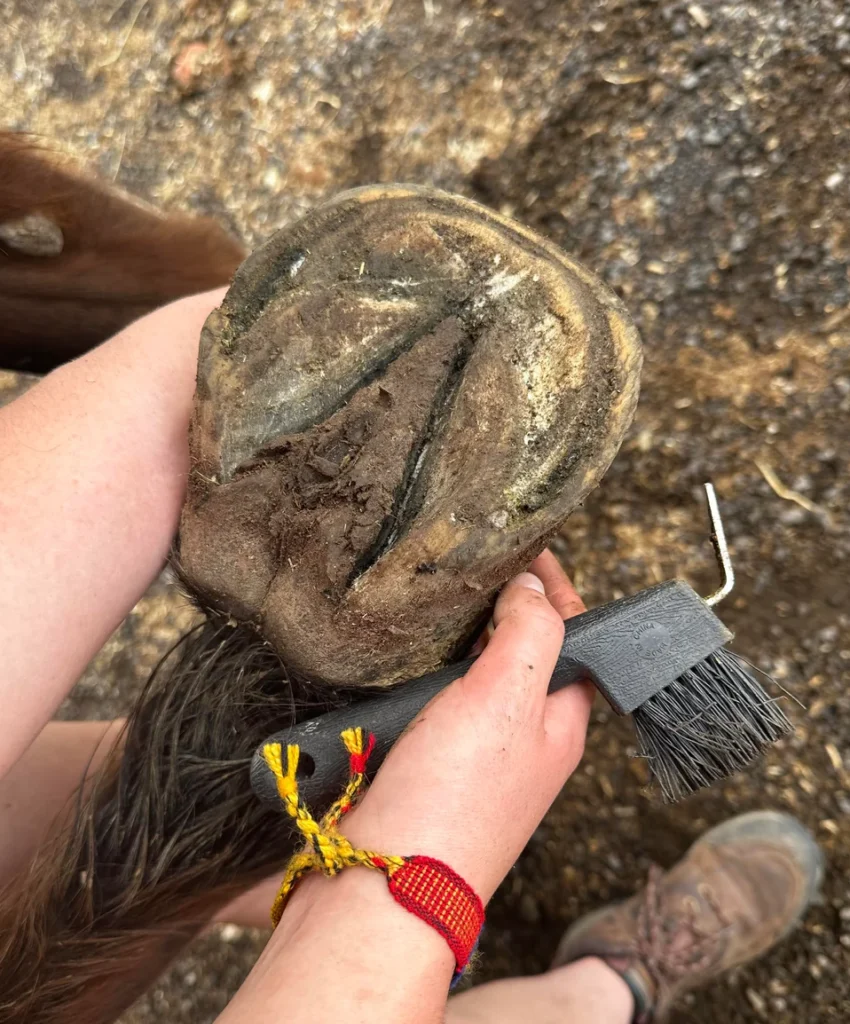
Signs Your Farrier Is Doing a Great Job
A skilled farrier does much more than trim hooves. Their work should improve your horse’s comfort, movement, and overall hoof health over time.
Here are a few signs that your farrier is doing quality work:
- Your horse walks comfortably after trimming.
- Hooves appear balanced and symmetrical.
- Breakover looks natural and smooth.
- Hoof walls remain strong with minimal chipping.
- Shoes fit correctly without shifting.
- Your farrier explains any concerns clearly.
- They work closely with your veterinarian when necessary.
Choosing an experienced, knowledgeable farrier is one of the best investments you can make in your horse’s long-term soundness.
How Often Should Horses See a Farrier?
One of the most common questions horse owners ask is how often their horse should be trimmed or shod. While every horse is different, most benefit from regular hoof care every 6 to 8 weeks.
Factors that influence trimming intervals include:
- Age
- Breed
- Hoof growth rate
- Workload
- Season
- Terrain
- Whether the horse is barefoot or shod
| Horse Type | Recommended Schedule |
|---|---|
| Pleasure Horse | Every 6–8 weeks |
| Performance Horse | Every 4–6 weeks |
| Barefoot Horse | Every 5–8 weeks |
| Senior Horse | Every 5–7 weeks |
| Young Growing Horse | Every 4–6 weeks |
Avoid waiting until the hooves become noticeably overgrown. Regular maintenance is easier on the horse and helps preserve proper hoof balance.
15 Best Farrier Tips for Horse Owners
1. Never Skip Regular Farrier Appointments
One of the biggest mistakes horse owners make is waiting until the hoof looks too long.
Most horses benefit from trimming every 6–8 weeks, although some may need shorter or longer intervals depending on:
- Breed
- Age
- Hoof growth
- Climate
- Workload
- Terrain
Missing appointments allows the hoof to become unbalanced, increasing stress on the limbs.
Consistency is far better than trying to correct months of overgrowth in one visit.
2. Pick Out Your Horse’s Hooves Every Day
This simple habit only takes a few minutes but can prevent many common hoof problems.
Daily cleaning removes:
- Mud
- Small stones
- Manure
- Bedding
- Packed snow
- Debris
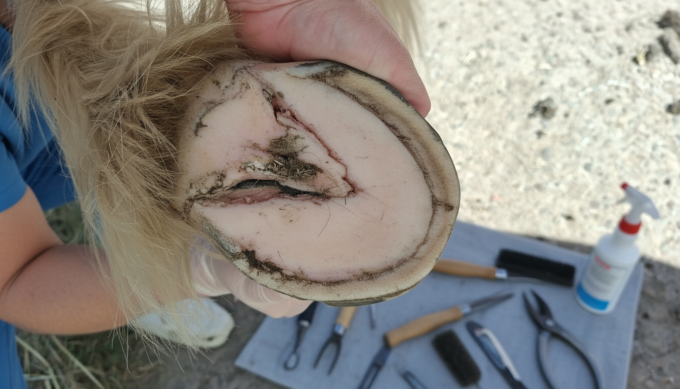
While cleaning, check for:
- Bad smells
- Black discharge
- Loose shoes
- Cracks
- Bruises
- Nail problems
Daily inspections often catch issues before they become expensive veterinary problems.
Essential Farrier Tools Every Horse Owner Should Have
You don’t need a professional farrier’s toolbox, but every horse owner should keep a few basic hoof care items on hand.
Recommended essentials include:
- Hoof Pick with Brush
- Hoof Conditioner
- Hoof Moisturiser
- Hoof Boots for Trail Riding
- Biotin Hoof Supplement
- Thrush Treatment
- Farrier Apron
- Hoof Knife
- Hoof Tester
- Fly Spray (stable management)
3. Keep Stalls and Paddocks Clean
Constant exposure to wet manure softens the hoof wall and creates an ideal environment for bacteria and fungi.
Dirty conditions increase the risk of:
- Thrush
- White line disease
- Sole infections
- Soft feet
Aim for clean, dry footing whenever possible.
Good stable management supports healthy hooves just as much as regular trimming.
4. Feed for Strong Hooves
Healthy hooves start with proper nutrition.
Poor-quality feed often shows up in hoof quality months later.
A balanced diet should provide:
- Quality forage
- Protein
- Zinc
- Copper
- Biotin
- Amino acids
- Essential minerals
Hoof supplements may be helpful for horses with weak or brittle hooves, but they’re most effective when the overall diet is already balanced.
Remember that new hoof growth takes time. Improvements may not be visible for several months.
5. Learn What’s Normal for Your Horse
Every horse’s hooves are unique.
Take time to become familiar with:
- Normal hoof shape
- Growth rate
- Sole thickness
- Frog appearance
- Heel height
Knowing your horse’s normal condition makes it easier to spot changes early.
If something suddenly looks different, don’t ignore it.
6. Watch for Early Warning Signs
Many hoof problems develop gradually.
Pay attention if you notice:
- Reluctance to walk
- Shortened stride
- Frequent stumbling
- Uneven hoof wear
- Warm hooves
- Increased digital pulse
- Cracks getting larger
These small changes often appear before serious lameness develops.
Early treatment usually leads to faster recovery.
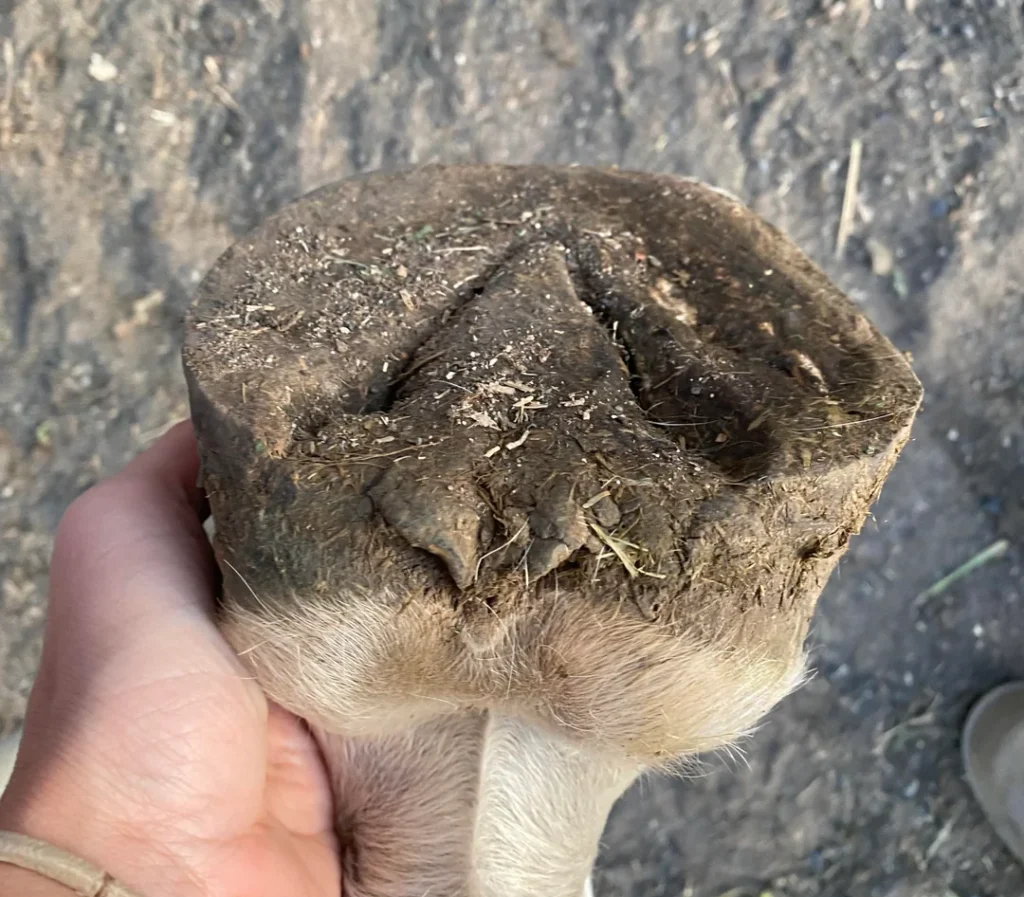
7. Don’t Delay Fixing Small Hoof Cracks
Small cracks rarely improve on their own.
Left untreated, they may extend deeper into the hoof wall and become painful.
A farrier can determine whether the crack is:
- Cosmetic
- Structural
- Related to imbalance
- Caused by infection
- Linked to nutritional deficiencies
Addressing the cause is more important than simply treating the crack itself.
8. Work Closely with Your Farrier and Veterinarian
Some hoof conditions require teamwork.
If your horse develops:
- Laminitis
- Navicular disease
- White line disease
- Hoof abscesses
- Severe cracks
Your farrier and veterinarian should communicate to develop the best treatment plan.
This collaborative approach often leads to better long-term results.
9. Don’t Ignore Changes in Movement
Sometimes the hoof appears perfectly normal while the horse’s movement tells a different story.
Watch your horse walk and trot regularly.
Look for:
- Head bobbing
- Uneven steps
- Reluctance to turn
- Toe dragging
- Landing toe first instead of heel first
Changes in gait can be an early sign that something isn’t right.
10. Protect Hooves During Extreme Weather
Both very dry and very wet conditions can affect hoof quality.
During prolonged wet periods:
- Clean hooves regularly.
- Provide dry standing areas.
- Check for thrush.
During dry seasons:
- Avoid extremely hard ground when possible.
- Monitor for brittle hoof walls.
- Discuss hoof conditioners with your farrier if needed.
Hoof care should adapt to the season rather than stay the same year-round.
Seasonal Farrier Tips
Weather has a significant impact on hoof health. Adjusting your hoof care routine throughout the year helps prevent seasonal problems.
Spring
Wet conditions increase the risk of thrush and white line disease. Keep feet clean and provide dry standing areas whenever possible.
Summer
Hot, dry weather can lead to brittle hoof walls. Monitor your horse for cracks and ensure constant access to fresh water.
Autumn
Changing weather often creates muddy paddocks. Continue daily hoof cleaning and inspect the frog for signs of infection.
Winter
Frozen ground and snow can make horses uncomfortable. Check for packed snow inside the hoof and inspect shoes regularly if your horse is shod.
Adapting your management to the season is one of the simplest ways to maintain healthy hooves year-round.
11. Maintain a Healthy Weight
Excess body weight places additional stress on your horse’s feet and can increase the risk of serious hoof problems, including laminitis.
An overweight horse doesn’t just carry more weight-it places greater strain on the hoof structures with every step.
To help maintain healthy hooves:
- Feed a balanced diet.
- Avoid excessive sugary treats.
- Monitor body condition regularly.
- Provide daily exercise where appropriate.
- Adjust feed according to workload.
If your horse is prone to laminitis or metabolic conditions, discuss a feeding plan with your veterinarian and farrier.
12. Choose the Right Footing
The ground your horse walks on every day has a major impact on hoof health.
Soft, muddy footing can soften the hoof and encourage bacterial infections, while extremely hard or rocky surfaces may lead to bruising, excessive wear, or soreness.
A variety of footing is often ideal because it naturally stimulates healthy hoof development.
When riding:
- Avoid long rides on sharp rocks if your horse is barefoot.
- Introduce new terrain gradually.
- Consider hoof boots for horses with sensitive feet.
- Check hooves after every trail ride.
The right footing helps maintain strong, durable hooves throughout the year.
13. Understand That Every Horse Is Different
Many horse owners compare their horse’s feet with others in the barn.
That’s a mistake.
Breed, age, workload, genetics, nutrition, and environment all influence hoof shape and growth.
For example:
- Draft horses often have larger, slower-growing hooves.
- Thoroughbreds may have thinner soles.
- Arabians usually have dense, hard hoof walls.
- Older horses may require more frequent monitoring.
Your farrier will tailor trimming to your individual horse rather than following a one-size-fits-all approach.
14. Don’t Attempt Major Hoof Trimming Yourself
Watching a few online videos doesn’t replace years of farrier training.
Removing too much hoof wall or sole can make a horse sore and create long-term balance problems.
As an owner, it’s perfectly fine to:
- Clean the hooves.
- Inspect them daily.
- Learn normal hoof anatomy.
- Recognise early warning signs.
Leave trimming, corrective work, and shoeing to a qualified farrier unless you’ve received proper training.
15. Keep Records of Every Farrier Visit
One habit many experienced horse owners follow is keeping a simple hoof care log.
Record:
- Trim date
- Shoeing date
- Hoof issues found
- Lameness observations
- Products used
- Changes in workload
- Photos of each hoof
Photographs taken every six to eight weeks make it much easier to track hoof growth and identify gradual changes that might otherwise go unnoticed.
Signs Your Horse Needs a Farrier Immediately
Routine appointments are important, but some situations shouldn’t wait.
Contact your farrier promptly if you notice:
- A loose or twisted shoe
- A missing shoe
- A deep hoof crack
- A foul smell from the frog
- Sudden lameness
- A hoof abscess
- Excessive hoof chipping
- Bleeding from the hoof
- Heat in the hoof
- A strong digital pulse
Early intervention often prevents a small problem from becoming a costly one.
When Should You Call a Veterinarian Instead?
While many hoof issues can be managed by your farrier, some situations require immediate veterinary attention.
Contact your veterinarian if your horse:
- Refuses to bear weight on a limb.
- Has severe bleeding from the hoof.
- Shows signs of laminitis.
- Develops a deep puncture wound.
- Has a suspected fracture.
- Experiences swelling that extends above the hoof.
- Has a high fever along with lameness.
Your farrier and veterinarian often work together to provide the best outcome for serious hoof conditions.
Common Hoof Care Mistakes Horse Owners Make
Even dedicated owners can make mistakes that affect hoof health.
Waiting Too Long Between Trims
Overgrown hooves change the horse’s balance and increase stress on joints and tendons.
Ignoring Small Cracks
Minor cracks can spread and become painful if left untreated.
Keeping Horses in Wet Conditions
Standing in wet mud or manure for extended periods increases the risk of thrush and white line disease.
Feeding Too Many Sugary Treats
High-sugar diets can contribute to metabolic problems and increase the risk of laminitis in susceptible horses.
Using Poorly Fitting Boots or Shoes
Incorrectly fitted hoof protection can create rubbing, pressure points, and abnormal hoof wear.
Skipping Daily Hoof Checks
Many serious hoof problems begin as small changes that owners overlook.
A quick daily inspection is one of the easiest ways to protect your horse.
Questions Every Horse Owner Should Ask Their Farrier
Good communication helps you get the most from every farrier visit.
Consider asking:
- Is my horse’s hoof balance improving?
- Are there any early signs of hoof disease?
- Should my horse remain barefoot or wear shoes?
- Is the current trimming schedule appropriate?
- Are there nutritional changes that could improve hoof quality?
- Do you recommend hoof boots for trail riding?
- Is there anything I should monitor before your next visit?
The more you understand your horse’s feet, the better prepared you’ll be to keep them healthy.
Farrier Myths vs Facts
| Myth | Fact |
|---|---|
| Barefoot horses don’t need trimming. | Barefoot horses still require regular trimming to maintain proper balance. |
| A hard hoof is always a healthy hoof. | Healthy hooves should be strong, balanced, and resilient—not simply hard. |
| Hoof cracks always heal on their own. | Many cracks require corrective trimming and proper management. |
| Shoes fix every hoof problem. | Shoes are only one tool and are not necessary for every horse. |
| Wet hooves are healthier. | Constant moisture softens the hoof and encourages bacterial infections. |
Frequently Asked Questions
How often should a horse see a farrier?
Most horses need professional hoof care every 6 to 8 weeks, although some may require more frequent visits depending on hoof growth, workload, and hoof condition.
What is the most important farrier tip?
Consistency. Regular trimming, daily hoof cleaning, and early detection of problems prevent many common hoof issues.
Can a horse go barefoot?
Yes, many horses perform well barefoot if they have healthy hooves, suitable terrain, and regular trimming. Others may benefit from shoes or hoof boots depending on their workload and environment.
How do I know if my horse’s hooves are healthy?
Healthy hooves usually have:
- A smooth hoof wall
- Strong heel support
- A healthy frog
- Minimal cracking
- No foul smell
- Even growth
- Comfortable movement
If you’re unsure, ask your farrier during the next visit.
What should I ask my farrier?
Some useful questions include:
- Is my horse’s hoof balance improving?
- Are there any early signs of disease?
- Does my horse need hoof boots?
- Is the trim schedule appropriate?
- Are there nutritional concerns affecting hoof quality?
Good communication helps you make informed decisions about your horse’s care.
Daily Hoof Care Checklist
Use this simple checklist every day to help keep your horse’s hooves healthy.
- □ Pick out all four hooves.
- □ Remove stones, mud, and packed debris.
- □ Check the frog for discharge or foul odour.
- □ Look for new cracks or chips.
- □ Feel each hoof for unusual heat.
- □ Check shoes for looseness if your horse is shod.
- □ Observe your horse walking for any signs of lameness.
A daily inspection takes only a few minutes but can prevent many common hoof problems before they become serious.
Summary:-
Great hoof care doesn’t happen by chance. It’s the result of consistent attention, good management, and a strong partnership between the horse owner and the farrier.
By following these farrier tips-keeping a regular trimming schedule, cleaning hooves daily, providing balanced nutrition, maintaining clean living conditions, and recognising early warning signs-you’ll give your horse the best chance of staying comfortable and sound.
Remember, many serious hoof problems start small. A few minutes spent checking your horse’s feet each day can prevent weeks of treatment later.
Healthy hooves support every ride, every stride, and every stage of your horse’s life.
You may also read:-
- Horse Hoof Care Basics
- How Often Should You Trim Horse Hooves?
- Best Hoof Boots for Trail Riding
- White Line Disease in Horses
- Thrush Treatment for Horses
- Hoof Cracks: Causes and Treatment
- Laminitis in Horses
- Can Horses Eat Apples?
- Best Hoof Supplements for Horses
- Barefoot Horse Care Guide
- Your Horse Isn’t Lazy – It Might Be Showing Pain



Leave a comment