

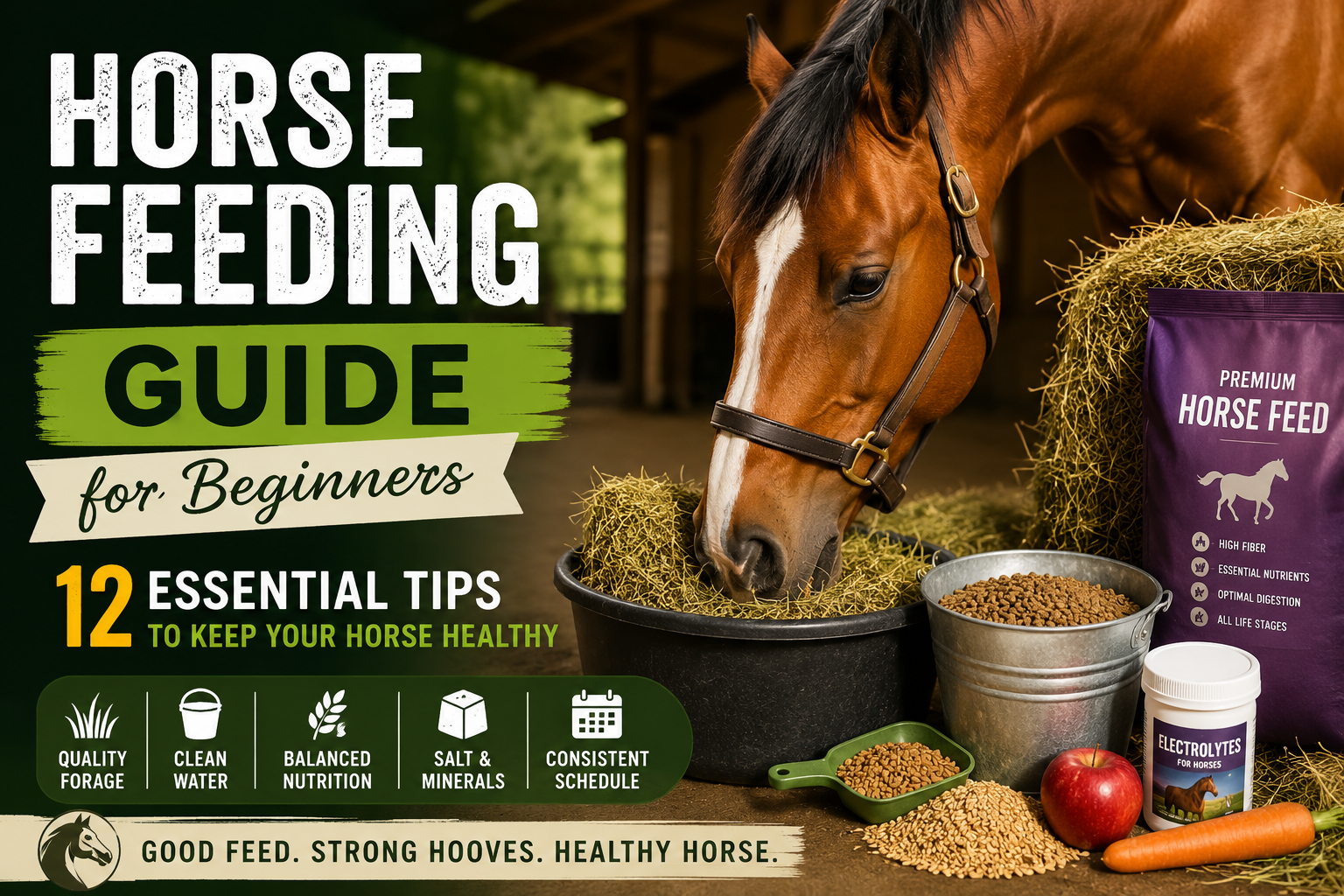
Horse Feeding Guide for Beginners: 12 Essential Tips to Keep Your Horse Healthy
Feeding a horse isn’t as simple as filling a bucket with grain twice a day. Horses have a unique digestive system that depends on frequent, fiber-rich meals to stay healthy. Whether you’ve just bought your first horse or are caring for one for the first time, learning the basics of proper nutrition can prevent many common health problems.
A balanced diet supports healthy weight, strong hooves, better performance, and a healthy digestive system. On the other hand, poor feeding practices can increase the risk of colic, laminitis, ulcers, and nutritional deficiencies.
This Horse Feeding Guide for Beginners explains what horses should eat, how often to feed them, and the common mistakes every new owner should avoid.
Horse Feeding Guide for Beginners: Understanding the Basics
Before choosing feed, it’s important to understand how horses naturally eat.
In the wild, horses spend up to 16 hours each day grazing. Their stomachs are relatively small, while their digestive system is designed to process small amounts of forage continuously. This means horses thrive on frequent access to fiber rather than a few large meals.
A healthy horse’s diet generally includes:
- High-quality hay or pasture
- Clean, fresh water
- Grain or concentrate when additional calories are needed
- Salt and minerals
- Supplements only if recommended
For most horses, forage should make up the majority of the diet.
Why Proper Horse Nutrition Matters
A balanced diet affects nearly every aspect of your horse’s health.
Proper nutrition helps:
- Maintain a healthy body weight
- Support muscle development
- Improve hoof quality
- Promote healthy digestion
- Strengthen the immune system
- Increase energy levels
- Reduce the risk of digestive disorders
Many hoof problems begin with poor nutrition. Weak hoof walls, slow hoof growth, and poor horn quality can all be linked to dietary deficiencies.
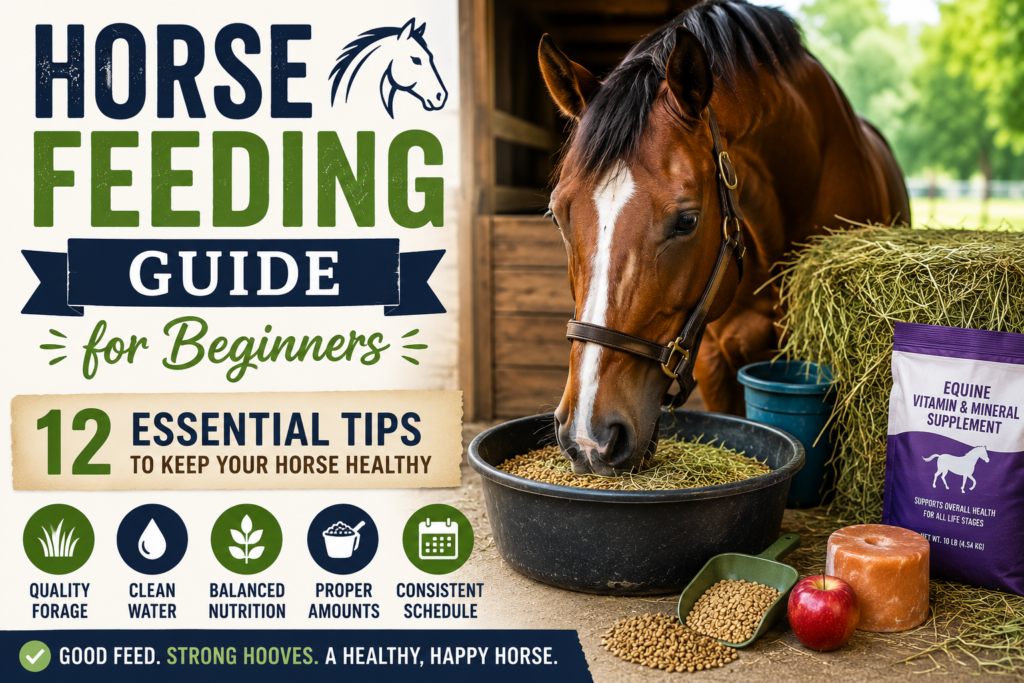
The Essential Nutrients Every Horse Needs
Understanding nutrients makes it easier to choose the right feed.
1. Fiber
Fiber is the most important part of a horse’s diet.
It comes from:
- Grass
- Hay
- Haylage
- Chaff
Fiber keeps the digestive tract working properly and supports healthy gut bacteria.
A horse should consume approximately 1.5% to 2% of its body weight in forage every day.
2. Protein
Protein supports:
- Muscle growth
- Tissue repair
- Hoof development
- Young horse growth
Good protein sources include:
- Alfalfa hay
- Soybean meal
- Commercial horse feed
- Legume forages
Growing horses, pregnant mares, and performance horses generally require more protein than mature horses at maintenance.
3. Carbohydrates
Carbohydrates provide energy.
They come from:
- Grass
- Hay
- Oats
- Barley
- Corn
- Commercial concentrates
However, horses prone to laminitis or insulin resistance should avoid feeds high in sugar and starch.
4. Fat
Fat is an excellent energy source and helps maintain a healthy coat.
Common sources include:
- Flaxseed
- Vegetable oil
- Rice bran
- Stabilized fat supplements
Fat provides calories without the rapid spikes in blood sugar associated with high-starch feeds.
5. Vitamins and Minerals
Essential vitamins include:
- Vitamin A
- Vitamin D
- Vitamin E
Important minerals include:
- Calcium
- Phosphorus
- Magnesium
- Zinc
- Copper
- Selenium
A balanced vitamin and mineral intake supports bone health, muscle function, and hoof quality.
6. Salt
Horses lose salt through sweat every day.
Always provide:
- A salt block, or
- Loose salt
This encourages proper hydration and helps replace lost electrolytes, especially during hot weather or exercise.
Signs Your Horse Is Receiving the Right Diet
A well-fed horse usually shows clear signs of good health.
Look for:
- Bright, alert eyes
- Consistent energy
- Smooth, shiny coat
- Strong hooves
- Healthy body condition
- Normal manure
- Good appetite
These signs indicate that the horse’s nutritional needs are likely being met.
Best Types of Horse Feed for Beginners
Choosing the right feed can feel overwhelming with so many options available. The good news is that most horses stay healthy on a simple diet built around quality forage, with concentrates added only when needed.
1. Pasture Grass
Fresh pasture is the most natural feed for horses. Grazing provides fiber, encourages natural behavior, and supports digestive health.
Good pasture should be:
- Free from toxic plants
- Well-maintained
- Not overgrazed
- Rotated regularly to keep grass healthy
If pasture quality is poor or unavailable, hay should become the primary forage source.
2. Hay
Hay is the foundation of most horses’ diets, especially when grazing is limited.
Common types include:
Grass Hay
- Timothy
- Orchard grass
- Bermuda grass
- Meadow hay
These are suitable for most adult horses.
Legume Hay
- Alfalfa
- Clover
Legume hays contain more protein and calcium. They are often fed to growing horses, pregnant mares, or performance horses but may be too rich for easy keepers.
Choose hay that is:
- Green and leafy
- Fresh-smelling
- Free of dust and mold
- Stored in a dry place
3. Grain and Concentrates
Not every horse needs grain.
Grain is usually recommended for:
- Performance horses
- Growing foals
- Lactating mares
- Horses that struggle to maintain weight
Common grains include:
- Oats
- Barley
- Corn
Commercial horse feeds are often a better choice because they provide balanced nutrition and reduce the risk of vitamin and mineral deficiencies.
Avoid feeding large grain meals, as they can increase the risk of colic and digestive upset.
4. Complete Feeds
Complete feeds contain both forage and concentrates in one product.
They are useful for:
- Senior horses with poor teeth
- Horses unable to chew hay
- Horses recovering from illness
Always follow the manufacturer’s feeding recommendations.
Recommended Products for Beginners
If you’re just starting out, these are the first products worth investing in:
- Heavy-duty feed bucket
- Slow-feed hay net
- Horse salt block
- Airtight feed storage bin
- Horse weight tape
- Electrolyte supplement
- Quality vitamin and mineral supplement
- Durable hay feeder
These products make daily feeding easier while helping maintain your horse’s health and nutrition. They also fit naturally into an Amazon affiliate strategy for TheHoofInfo.com.
How Much Should You Feed Your Horse?
The amount depends on several factors, including:
- Body weight
- Age
- Workload
- Breed
- Health condition
- Access to pasture
As a general guideline:
- Feed 1.5–2% of your horse’s body weight in forage each day.
- Grain should only be added if forage alone does not meet the horse’s energy needs.
For example, a 500 kg (1,100 lb) horse typically needs around 7.5–10 kg (16–22 lb) of hay or equivalent forage daily.
Creating a Healthy Feeding Schedule
Horses do best with consistency. Feeding at the same times every day helps support digestion and reduces stress.
A simple feeding schedule might look like this:
Morning
- Hay or pasture
- Grain (if required)
- Fresh water check
Midday
- Grazing or additional hay
Evening
- Hay
- Grain (if required)
- Fresh water refill
If possible, divide grain into two or three smaller meals rather than one large feeding.
Never Forget Fresh Water
Water is just as important as feed.
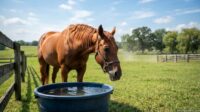
An average horse drinks 20-45 liters (5-12 gallons) of water each day, though the amount increases during hot weather, exercise, or lactation.
Always ensure your horse has:
- Clean, fresh water available at all times
- Buckets or troughs cleaned regularly
- Water that is not frozen in winter or excessively hot in summer
Dehydration can quickly lead to serious health problems, including colic.
Should Beginners Feed Treats?
Treats can be a fun way to reward your horse, but they should only be offered in moderation.
Safe treats include:
- Carrots
- Apples (cut into pieces)
- Small amounts of bananas
- Commercial horse treats
Avoid feeding:
- Chocolate
- Onions
- Potatoes
- Avocados
- Bread in large amounts
- Lawn clippings
Too many treats can upset your horse’s digestive system and contribute to obesity.
Common Horse Feeding Mistakes Beginners Should Avoid
Even with the best intentions, new horse owners sometimes make feeding mistakes that can affect their horse’s health. Understanding these common errors can help you avoid expensive veterinary bills and keep your horse in good condition.
1. Feeding Too Much Grain
Many beginners assume grain is the main part of a horse’s diet. In reality, most horses need far more forage than grain.
Too much grain can increase the risk of:
- Colic
- Laminitis
- Obesity
- Digestive upset
Always build your horse’s diet around hay or pasture first.
2. Making Sudden Feed Changes
A horse’s digestive system needs time to adjust to new feeds.
If you need to switch hay, grain, or supplements, introduce the new feed gradually over 7–14 days. Sudden changes can disturb the gut microbes and increase the risk of diarrhea or colic.
3. Feeding Moldy or Dusty Hay
Poor-quality hay can lead to respiratory problems and digestive issues.
Avoid hay that:
- Smells musty
- Contains mold
- Is excessively dusty
- Has signs of rot or moisture damage
Investing in quality forage is one of the best ways to support your horse’s long-term health.
4. Overfeeding Treats
While horses enjoy treats, too many sugary snacks can contribute to weight gain and metabolic problems.
Treats should make up only a small portion of your horse’s daily diet.
5. Ignoring Body Condition
Don’t rely only on the number on a feed bag. Regularly assess your horse’s body condition.
Watch for signs such as:
- Visible ribs or excessive weight loss
- Fat deposits along the neck or tailhead
- Loss of muscle over the topline
- Changes in energy levels
Adjust feed as your horse’s condition changes with age, workload, or the seasons.
Seasonal Horse Feeding Tips
Your horse’s nutritional needs change throughout the year.
Spring
Fresh spring grass is high in sugars, which can increase the risk of laminitis in susceptible horses.
- Introduce pasture gradually.
- Limit grazing time if necessary.
- Monitor horses that are overweight or insulin resistant.
Summer
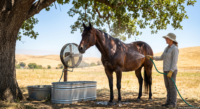
Hot weather increases water and electrolyte requirements.
During summer:
- Provide unlimited fresh water.
- Offer shade whenever possible.
- Replace electrolytes after heavy sweating.
- Check water buckets several times a day.
Autumn
As pasture quality declines, gradually increase hay intake to maintain body condition.
This is also a good time to assess your horse’s weight before winter arrives.
Winter
Cold weather increases calorie needs for many horses.
Provide:
- Plenty of good-quality hay
- Access to unfrozen water
- Additional forage during extremely cold conditions
Remember, horses generate body heat by digesting fiber, making hay especially important in winter.
Do Horses Need Supplements?
Many horses receiving a balanced diet do not require additional supplements.
However, supplements may benefit:
- Senior horses
- Performance horses
- Horses with poor hoof quality
- Horses recovering from illness
- Horses with specific nutritional deficiencies
Before adding supplements, consult your veterinarian or equine nutritionist to ensure they are appropriate for your horse.
Frequently Asked Questions
How often should I feed my horse?
Most horses should have access to forage throughout the day. If grain is needed, divide it into two or three smaller meals.
Can horses live on hay alone?
Yes. Many adult horses at maintenance maintain excellent health on high-quality hay with free access to clean water and a balanced mineral source.
Is grain necessary for every horse?
No. Horses with light workloads often meet their nutritional needs from forage alone.
What is the best feed for a beginner horse owner?
Good-quality grass hay, fresh pasture, clean water, and a balanced vitamin-mineral source are sufficient for many horses. Add grain only if your horse needs extra calories.
How do I know if my horse is overweight?
Look for fat deposits around the neck, shoulders, tailhead, and ribs. If you’re unsure, ask your veterinarian or farrier to help assess your horse’s body condition.
Summary:-
Feeding your horse correctly doesn’t have to be complicated. Focus on providing high-quality forage, clean water, and a consistent feeding routine. Adjust your horse’s diet based on age, activity level, and overall health, and avoid making sudden changes to feed.
With good nutrition and regular care, you’ll support strong hooves, healthy digestion, a shiny coat, and a happier horse. As you gain experience, you’ll become more confident in meeting your horse’s changing nutritional needs throughout the year.
You may also read:-
Essential Horse Care Tips for New Owners


Leave a comment